African Youth Coalition Demands Greater Policy Role in Water Security
An initiative spanning 51 African countries is urging governments to incorporate youth-led water solutions into formal climate policies ahead of upcoming international conferences.
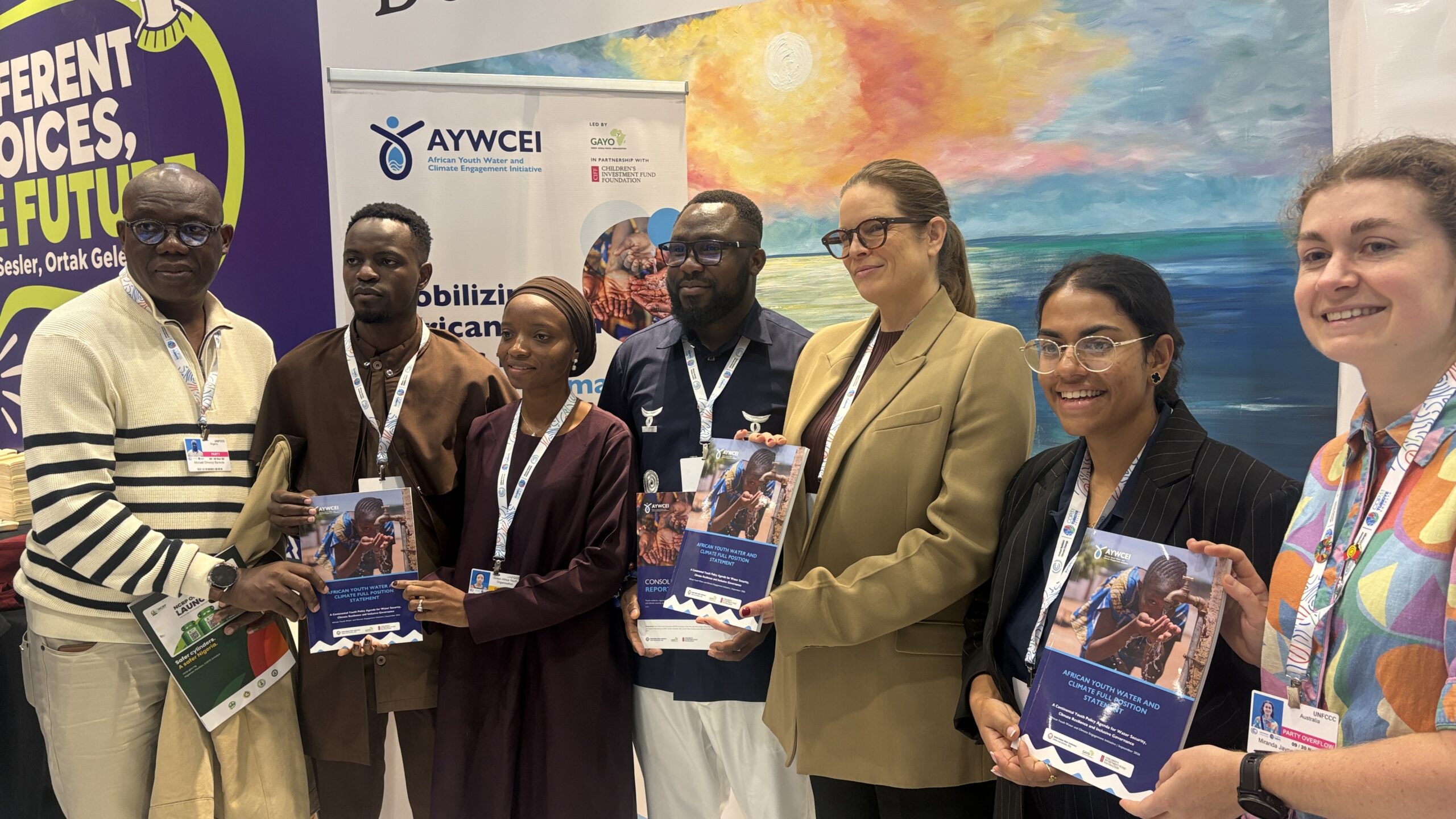 🌍Africa
Photo: Premium Times
Key points
- Initiative spans 51 African countries with input from over 2,100 participants.
- Only 32 per cent of sub-Saharan Africans had safely managed drinking water in 2024.
- Findings will be presented at the upcoming UN Water Conference in Abu Dhabi.
A continental initiative led by the Green Africa Youth Organisation, in partnership with the Children’s Investment Fund Foundation, has documented youth-led responses to water scarcity across 51 African nations. Climate Director Baliqees Salaudeen-Ibrahim announced the findings during the United Nations Climate Change Conference, noting that the project gathered data from over 1,200 survey participants and 900 consultation attendees spanning five regions.
The effort seeks to bridge severe gaps in drinking water availability highlighted by recent international data. According to the WHO/UNICEF Joint Monitoring Programme, merely 32 per cent of individuals in sub-Saharan Africa possessed access to safely managed drinking water in 2024, with sharp divides separating rural coverage at 16 per cent from urban regions at 52 per cent.
Organisers argue that meaningful reform requires state institutions to move beyond token representation and actively support grassroots interventions. Researchers intend to present their finalized recommendations at the upcoming UN Water Conference in Abu Dhabi, aiming to secure financial resources and administrative backing from public authorities.
The stakes
If integrated successfully, youth-driven initiatives could receive vital state funding and administrative backing to scale across vulnerable communities, whereas dismissal by policymakers risks leaving persistent regional water inequities unaddressed.
Two readings
- Supporters read the initiative as a necessary structural reform that empowers local leaders and introduces practical, grassroots solutions to governmental water strategies.
- Critics and skeptics question whether youth coalitions can effectively navigate bureaucratic barriers without getting sidelined by established political bodies.
Source Premium Times — premiumtimesng.com/news/top-news/924778-cop31-african-youths-map-wa… ↗
Read next
 ✒️Opinion & Analysis
ICJ Rules Myanmar Military Committed Genocide Against Rohingya
The International Court of Justice has found Myanmar's military guilty of genocide against the Rohingya, a ruling that damages the international standing of both Aung San…
 🕯️Democracy & Rights
Chinese teachers face rising parental pressure over personal life choices
Chinese educators are encountering a surge in unreasonable demands from parents, including complaints regarding teachers' pregnancy and maternity leave.
 🛡️War & Security
Ukraine Restricts Media Coverage of Infrastructure Damage Amid Russian Strikes
President Volodymyr Zelenskyy has issued a decree prohibiting media outlets from reporting on the impact of Russian strikes against critical infrastructure and the status…
 🏮China & Taiwan
Beijing Reaffirms Reunification Stance Following Taiwan Local Election Results
China’s Taiwan Affairs Office declared that the island’s reunification with the mainland remains inevitable, despite recent shifts in Taiwan's local political landscape.
 🇪🇺Europe
US Air Force Repels Unauthorized Drone Incursion at RAF Lakenheath
U.S. security forces at a British air base successfully countered a group of unidentified drones, amid growing concerns over potential foreign state involvement.
 ⚖️Law & Policy
India Government Proposes 50% Increase in Parliamentary Seats and Women's Reservation
The Indian government plans to introduce legislation to expand the Lok Sabha to 850 seats and mandate a 33% reservation for women in legislative bodies.