Democratic Republic of Congo Faces Escalating Hunger Crisis Amid Persistent Conflict
The World Food Program reports that 28.8 million people in the Democratic Republic of Congo are suffering from acute food insecurity, with projections suggesting the figure could exceed 30 million by mid-2027.
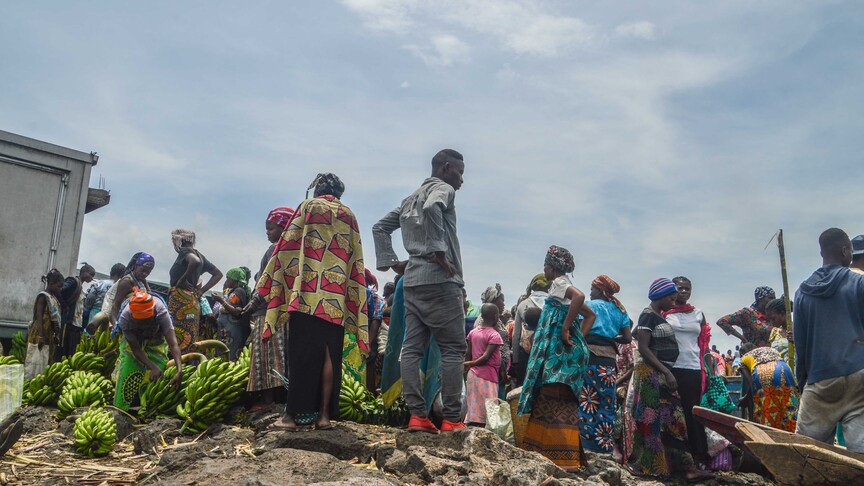 🌍Africa
Photo: Anadolu
Key points
- 28.8 million people face acute food insecurity in the DRC.
- Conflict in eastern provinces is the primary driver of the crisis.
- Government pledges resource allocation to improve agricultural stability.
The World Food Program (WFP) has issued a stark warning regarding the humanitarian situation in the Democratic Republic of Congo, identifying 28.8 million citizens currently grappling with acute food insecurity. Based on data from the Integrated Food Security Phase Classification, the agency cautioned that this figure is expected to rise, potentially surpassing 30 million people between January and June 2027. Among those suffering, approximately 3.6 million are currently living in emergency conditions.
United Nations Population Fund representative Alain Akpadji highlighted that the crisis disproportionately impacts vulnerable groups, including children, women, and displaced populations. The eastern provinces of North Kivu, South Kivu, and Ituri have been identified as the most severely affected regions. While these areas possess significant agricultural potential and fertile soil, persistent violence and regional instability have effectively paralyzed local food production and market access.
In response to the findings presented in Kinshasa, Benjamin Toirambe of the Congolese Agriculture Ministry stated that the government intends to allocate substantial resources to relevant ministries. The goal of this initiative is to address the systemic barriers to food security and stabilize the livelihoods of local communities facing extreme hardship.
The stakes
The government's ability to restore security in the eastern provinces will determine whether agricultural production can resume, directly impacting the survival of millions. Failure to stabilize these regions will likely deepen the humanitarian disaster, increase reliance on international aid, and further destabilize the nation's fragile social fabric.
Two readings
- Supporters of the government's intervention plan argue that targeted resource allocation is a necessary step to bypass security bottlenecks and revitalize local agricultural output.
- Critics contend that without a fundamental resolution to the underlying political conflict and violence in the eastern provinces, temporary government aid will fail to address the root causes of the food crisis.
Source Anadolu — aa.com.tr/en/africa/hunger-crisis-deepens-in-dr-congo-as-288m-face-… ↗
Read next
 ✒️Opinion & Analysis
ICJ Rules Myanmar Military Committed Genocide Against Rohingya
The International Court of Justice has found Myanmar's military guilty of genocide against the Rohingya, a ruling that damages the international standing of both Aung San…
 🕯️Democracy & Rights
Chinese teachers face rising parental pressure over personal life choices
Chinese educators are encountering a surge in unreasonable demands from parents, including complaints regarding teachers' pregnancy and maternity leave.
 🛡️War & Security
Ukraine Restricts Media Coverage of Infrastructure Damage Amid Russian Strikes
President Volodymyr Zelenskyy has issued a decree prohibiting media outlets from reporting on the impact of Russian strikes against critical infrastructure and the status…
 🏮China & Taiwan
Beijing Reaffirms Reunification Stance Following Taiwan Local Election Results
China’s Taiwan Affairs Office declared that the island’s reunification with the mainland remains inevitable, despite recent shifts in Taiwan's local political landscape.
 🇪🇺Europe
US Air Force Repels Unauthorized Drone Incursion at RAF Lakenheath
U.S. security forces at a British air base successfully countered a group of unidentified drones, amid growing concerns over potential foreign state involvement.
 ⚖️Law & Policy
India Government Proposes 50% Increase in Parliamentary Seats and Women's Reservation
The Indian government plans to introduce legislation to expand the Lok Sabha to 850 seats and mandate a 33% reservation for women in legislative bodies.