Nigeria Faces Growing Regulatory Scrutiny Over Unlicensed Commercial Tricycles in Abuja
Regulatory authorities in Abuja face intense scrutiny regarding the widespread operation of unlicensed commercial tricycles following a severe traffic accident that left a university student severely injured.
 🌍Africa
Photo: Premium Times
Key points
- Abuja tricycle crash sparks road safety debate
- Legal frameworks mandate Class A licensing for tricycles
- Public criticism targets weak enforcement by authorities
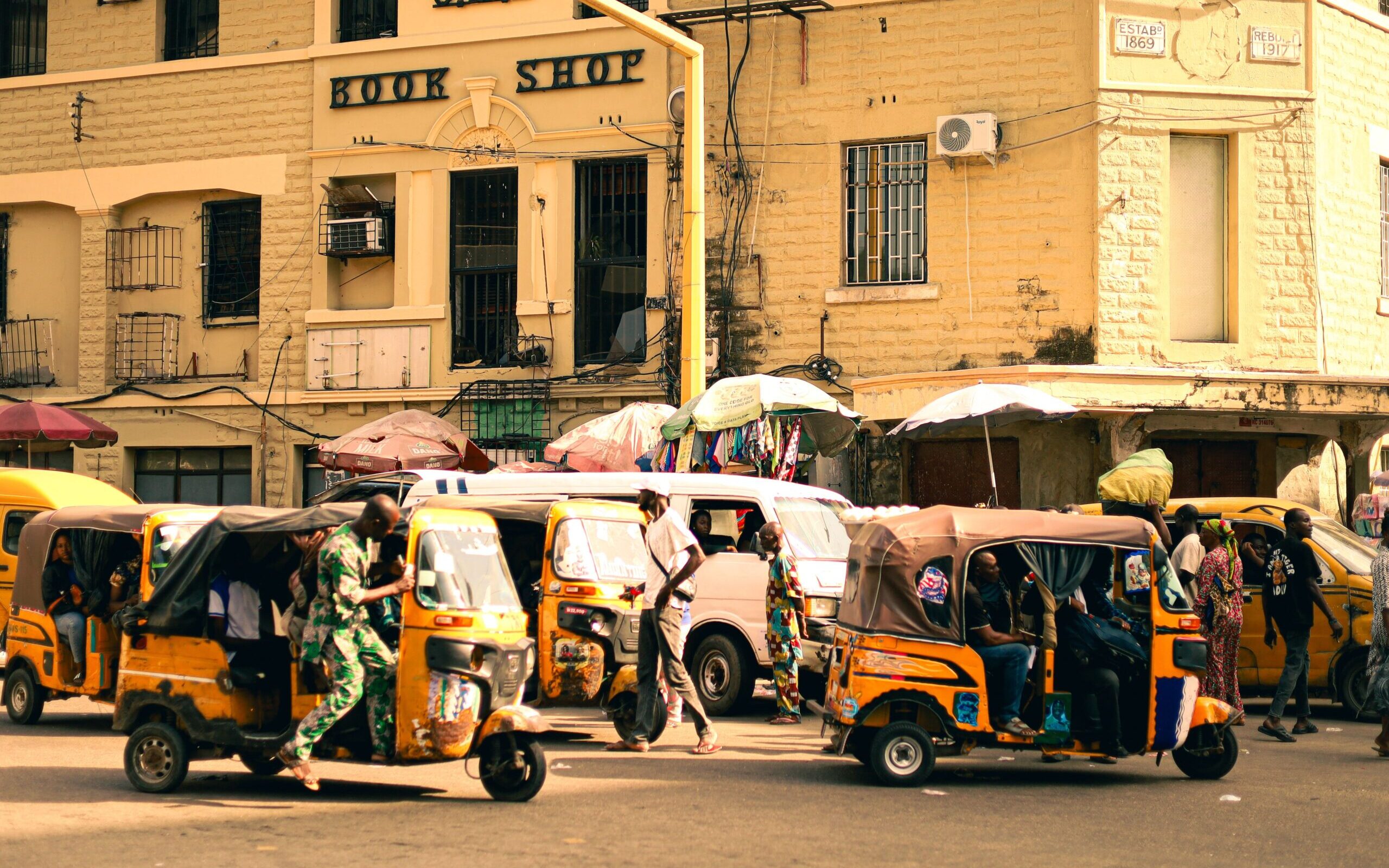
Commercial tricycles, commonly known as Keke NAPEP, continue to operate across Abuja without proper licensing and enforcement, sparking renewed public concern over road safety and regulatory oversight. The debate intensified after an 18-year-old student, Efe Solomon, suffered a near-fatal leg fracture when an unlit tricycle driving against traffic crashed into his motorcycle near the University of Abuja.
Public complaints on social media have repeatedly highlighted that many tricycle operators lack formal training, driver's licenses, and basic comprehension of traffic regulations. Critics argue that lax oversight turns public roads into hazardous zones, placing commuters at constant risk from unregulated public transport operators.
Federal statutes, including the Federal Road Safety Corps Establishment Act 2007 and the National Road Traffic Regulations 2012, explicitly mandate that all commercial drivers undergo accredited training and hold valid licenses, specifically designating tricycles under Class A. Enforcement agencies maintain that operating without these credentials is strictly illegal, yet compliance and monitoring remain highly problematic on the ground.
The stakes
Victims and their families bear the immediate physical and financial costs of regulatory gaps, while public transport commuters face heightened safety risks. If stricter enforcement takes hold, thousands of operators could face compliance hurdles or temporary halts, reshaping urban transit in the capital.
Two readings
- Supporters of tighter enforcement argue that rigorous licensing is vital to end impunity, reduce accidents, and hold reckless operators accountable under existing traffic laws.
- Skeptics and operators contend that bureaucratic hurdles and high costs of compliance threaten livelihoods in a sector that absorbs massive urban unemployment.
Source Premium Times — premiumtimesng.com/regional/north-central/925086-special-report-abu… ↗
Read next
 ✒️Opinion & Analysis
ICJ Rules Myanmar Military Committed Genocide Against Rohingya
The International Court of Justice has found Myanmar's military guilty of genocide against the Rohingya, a ruling that damages the international standing of both Aung San…
 🕯️Democracy & Rights
Chinese teachers face rising parental pressure over personal life choices
Chinese educators are encountering a surge in unreasonable demands from parents, including complaints regarding teachers' pregnancy and maternity leave.
 🛡️War & Security
Ukraine Restricts Media Coverage of Infrastructure Damage Amid Russian Strikes
President Volodymyr Zelenskyy has issued a decree prohibiting media outlets from reporting on the impact of Russian strikes against critical infrastructure and the status…
 🏮China & Taiwan
Beijing Reaffirms Reunification Stance Following Taiwan Local Election Results
China’s Taiwan Affairs Office declared that the island’s reunification with the mainland remains inevitable, despite recent shifts in Taiwan's local political landscape.
 🇪🇺Europe
US Air Force Repels Unauthorized Drone Incursion at RAF Lakenheath
U.S. security forces at a British air base successfully countered a group of unidentified drones, amid growing concerns over potential foreign state involvement.
 ⚖️Law & Policy
India Government Proposes 50% Increase in Parliamentary Seats and Women's Reservation
The Indian government plans to introduce legislation to expand the Lok Sabha to 850 seats and mandate a 33% reservation for women in legislative bodies.