South Sudan Delays National Elections to February 2027 Amid Security and Readiness Concerns
South Sudan's National Election Commission has postponed the country's long-delayed national elections from December to February 2027, citing persistent security challenges and institutional unpreparedness.
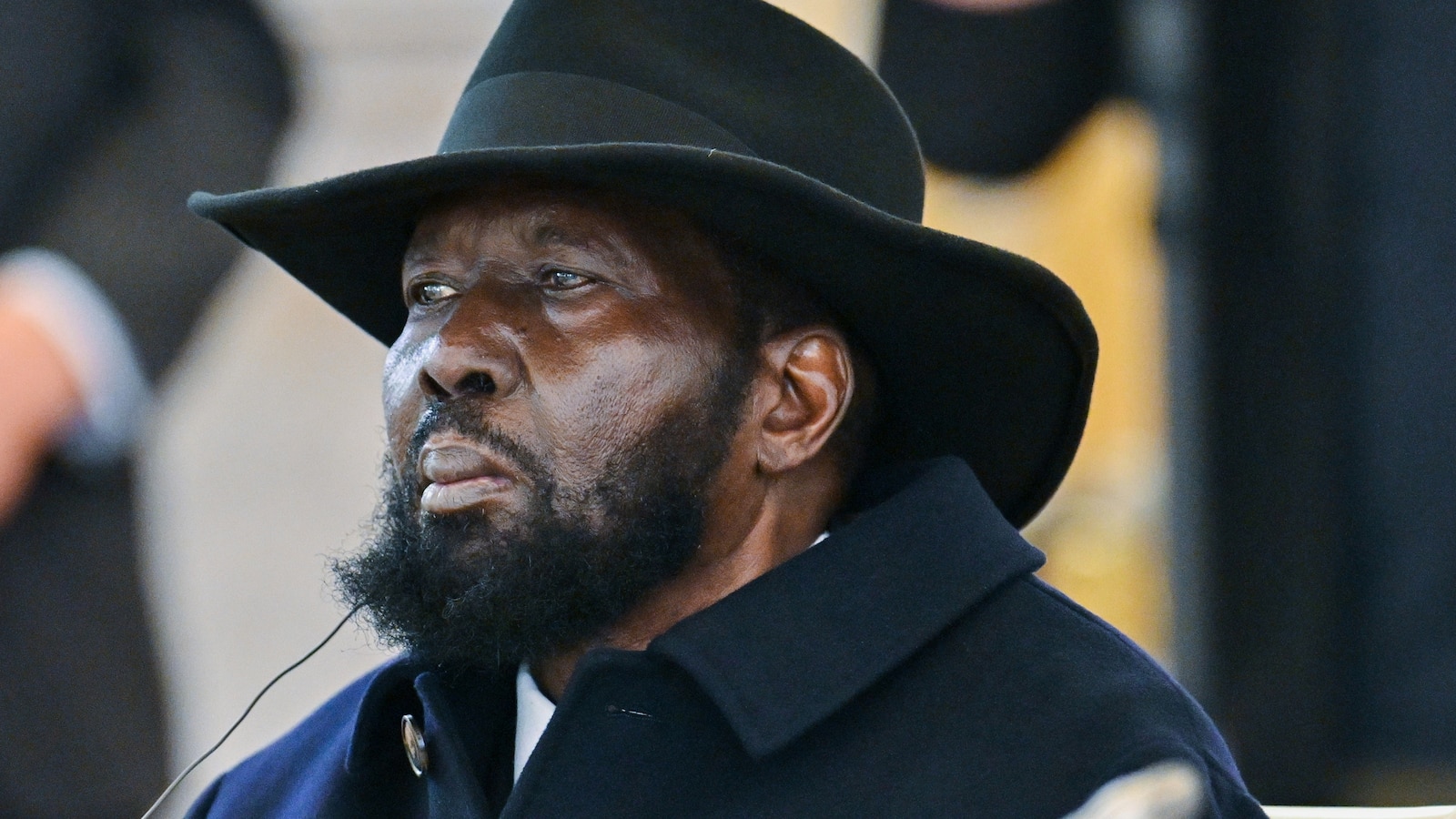 🌍Africa
Photo: ABC World
Key points
- National Election Commission sets new poll date for Feb. 11, 2027.
- Previous transitional government dissolved in September amid political turmoil.
- International and civil society groups previously warned of unready electoral conditions.
The National Election Commission in South Sudan published a revised timetable moving the nation's inaugural post-independence elections to February 11, 2027, superseding the previously planned December vote. The announcement coincides with ongoing security deterioration, financial constraints, and widespread uncertainty regarding the country's capacity to host credible polling.
South Sudan gained independence in 2011, subsequently descending into a civil conflict in 2013 between factions aligned with President Salva Kiir and his rival Riek Machar. Although a 2018 peace accord established a transitional administration in 2020, political instability has persisted, marked by recent fighting and the dissolution of the transitional government in September in favor of a caretaker authority. Electoral preparations have faced severe headwinds, including logistical ambiguities, lack of published registration centers, and security incidents targeting political delegates.
International bodies and civil society organizations have frequently warned against rushing into a vote without adequate institutional safeguards. Anita Kiki Gbeho, head of the United Nations Mission in South Sudan, emphasized before the U.N. Security Council that credible voting must serve as a foundational transition milestone rather than a replacement for genuine political dialogue.
The stakes
President Salva Kiir's administration and the ruling Sudan People's Liberation Movement retain control under the caretaker arrangement, while opposition figures face legal proceedings and restricted movement. Further delays risk entrenching current governance structures and weakening public trust in democratic institutions, potentially intensifying local security vulnerabilities.
Two readings
- Supporters of the postponement argue that delaying the vote is necessary to prevent renewed widespread violence, secure adequate funding, and establish secure logistical frameworks for a credible ballot.
- Critics contend that repeated postponements reflect a lack of political will from the ruling leadership to cede power and complete the promised democratic transition.
Source ABC World — abcnews.com/International/wireStory/south-sudan-postpones-national-elec… ↗
Read next
 ✒️Opinion & Analysis
ICJ Rules Myanmar Military Committed Genocide Against Rohingya
The International Court of Justice has found Myanmar's military guilty of genocide against the Rohingya, a ruling that damages the international standing of both Aung San…
 🕯️Democracy & Rights
Chinese teachers face rising parental pressure over personal life choices
Chinese educators are encountering a surge in unreasonable demands from parents, including complaints regarding teachers' pregnancy and maternity leave.
 🛡️War & Security
Ukraine Restricts Media Coverage of Infrastructure Damage Amid Russian Strikes
President Volodymyr Zelenskyy has issued a decree prohibiting media outlets from reporting on the impact of Russian strikes against critical infrastructure and the status…
 🏮China & Taiwan
Beijing Reaffirms Reunification Stance Following Taiwan Local Election Results
China’s Taiwan Affairs Office declared that the island’s reunification with the mainland remains inevitable, despite recent shifts in Taiwan's local political landscape.
 🇪🇺Europe
US Air Force Repels Unauthorized Drone Incursion at RAF Lakenheath
U.S. security forces at a British air base successfully countered a group of unidentified drones, amid growing concerns over potential foreign state involvement.
 ⚖️Law & Policy
India Government Proposes 50% Increase in Parliamentary Seats and Women's Reservation
The Indian government plans to introduce legislation to expand the Lok Sabha to 850 seats and mandate a 33% reservation for women in legislative bodies.