São Tomé and Príncipe Faces Legal Freeze of Central Bank Assets in Portugal
A Portuguese court has frozen a central bank account belonging to São Tomé and Príncipe following a long-standing dispute over a 2005 hydroelectric contract. The government is now contesting the seizure, citing principles of state immunity.
 🌍Africa
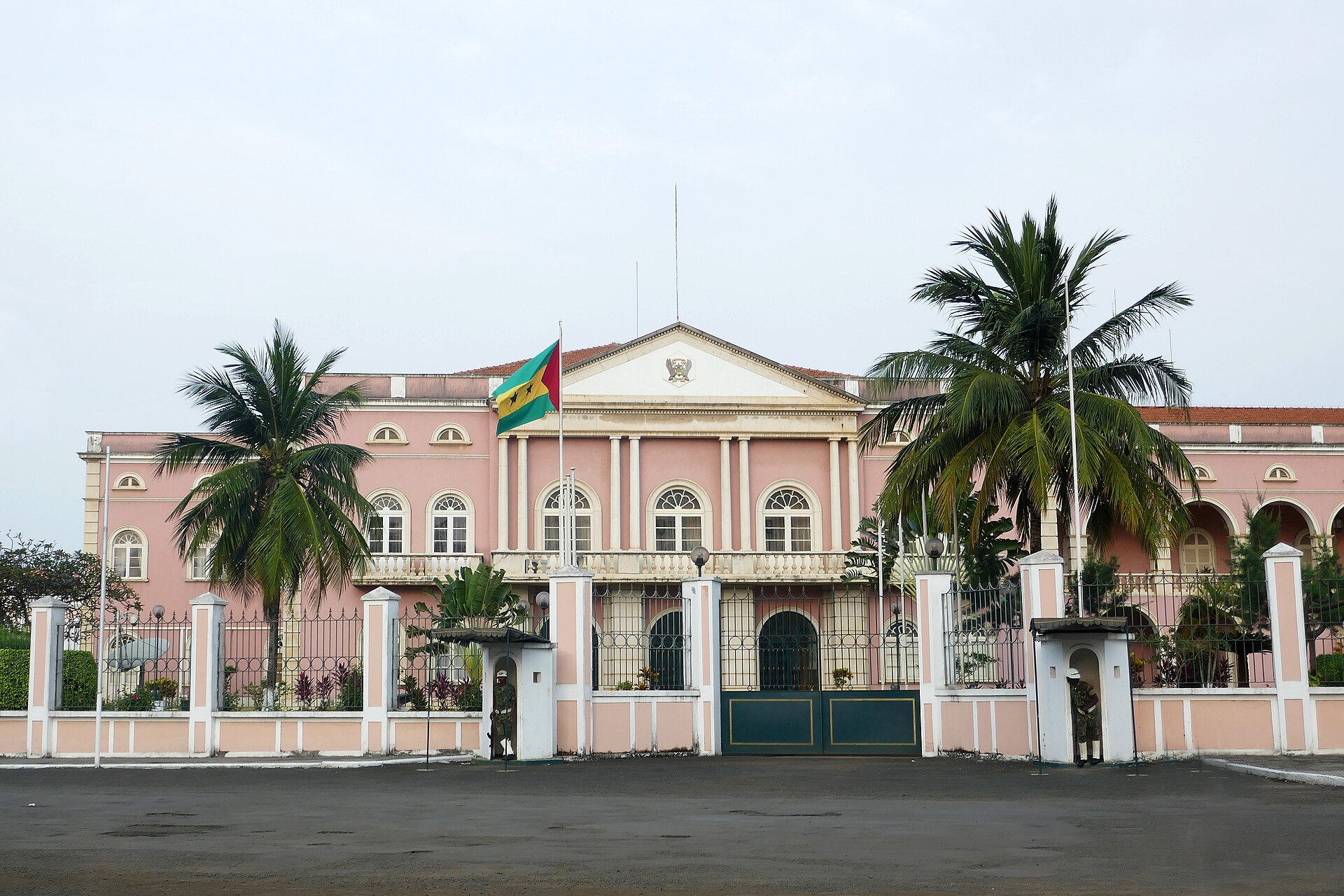
Photo: Rio Times
Key points
- Portuguese court freezes Central Bank of São Tomé and Príncipe account.
- Dispute originates from a 2005 hydroelectric contract termination.
- Government invokes state immunity to protect essential foreign exchange reserves.
The government of São Tomé and Príncipe is currently challenging a court-ordered asset freeze in Portugal that has targeted an account held by its central bank. Minister of Economy and Finance Gareth Guadalupe confirmed on November 6, 2026, that the enforcement action involves a claim of approximately 5.49 million euros, or 6.1 million U.S. dollars, stemming from the termination of a contract for the Contador hydroelectric plant nearly two decades ago.
The dispute dates back to 2005, when the island nation cancelled the hydroelectric agreement. An international arbitration tribunal subsequently ordered the state to pay compensation in 2009. While the government has proposed a structured repayment plan totaling 2.65 million euros to settle the arrears by 2028, it remains unclear if the creditor has accepted these terms.
Minister Guadalupe emphasized that the frozen funds are distinct from the Public Treasury, ensuring that government operations remain functional. However, he warned that the seizure of central bank assets poses a broader risk, as these accounts are essential for securing foreign exchange necessary to import critical goods such as fuel and medicine. The state is currently utilizing legal counsel to argue that these assets are protected under the United Nations convention on state immunity.
The stakes
The outcome of this case will set a significant precedent for how international arbitration awards are enforced against small sovereign states. If the court upholds the seizure, it could embolden creditors to pursue central bank assets abroad, potentially destabilizing the financial operations of developing nations. Conversely, a ruling in favor of the government would reinforce protections for central bank autonomy and state immunity in international litigation.
Two readings
- Supporters of the enforcement argue that international arbitration awards must be honored to ensure accountability and uphold the rule of law in commercial contracts.
- Critics of the seizure contend that central bank accounts are essential for national stability and should remain shielded from private debt disputes to prevent disruptions in the supply of essential public goods.
Source Rio Times — riotimesonline.com/sao-tome-central-bank-account-frozen-synergies-2… ↗
Read next
 ✒️Opinion & Analysis
ICJ Rules Myanmar Military Committed Genocide Against Rohingya
The International Court of Justice has found Myanmar's military guilty of genocide against the Rohingya, a ruling that damages the international standing of both Aung San…
 🕯️Democracy & Rights
Chinese teachers face rising parental pressure over personal life choices
Chinese educators are encountering a surge in unreasonable demands from parents, including complaints regarding teachers' pregnancy and maternity leave.
 🛡️War & Security
Ukraine Restricts Media Coverage of Infrastructure Damage Amid Russian Strikes
President Volodymyr Zelenskyy has issued a decree prohibiting media outlets from reporting on the impact of Russian strikes against critical infrastructure and the status…
 🏮China & Taiwan
Beijing Reaffirms Reunification Stance Following Taiwan Local Election Results
China’s Taiwan Affairs Office declared that the island’s reunification with the mainland remains inevitable, despite recent shifts in Taiwan's local political landscape.
 🇪🇺Europe
US Air Force Repels Unauthorized Drone Incursion at RAF Lakenheath
U.S. security forces at a British air base successfully countered a group of unidentified drones, amid growing concerns over potential foreign state involvement.
 ⚖️Law & Policy
India Government Proposes 50% Increase in Parliamentary Seats and Women's Reservation
The Indian government plans to introduce legislation to expand the Lok Sabha to 850 seats and mandate a 33% reservation for women in legislative bodies.