Egypt and Libya Discuss Energy Integration and Oil Refining Projects
Egyptian Foreign Minister Badr Abdelatty met with Libyan officials in Tripoli to advance plans for refining Libyan crude and establishing cross-border energy infrastructure.
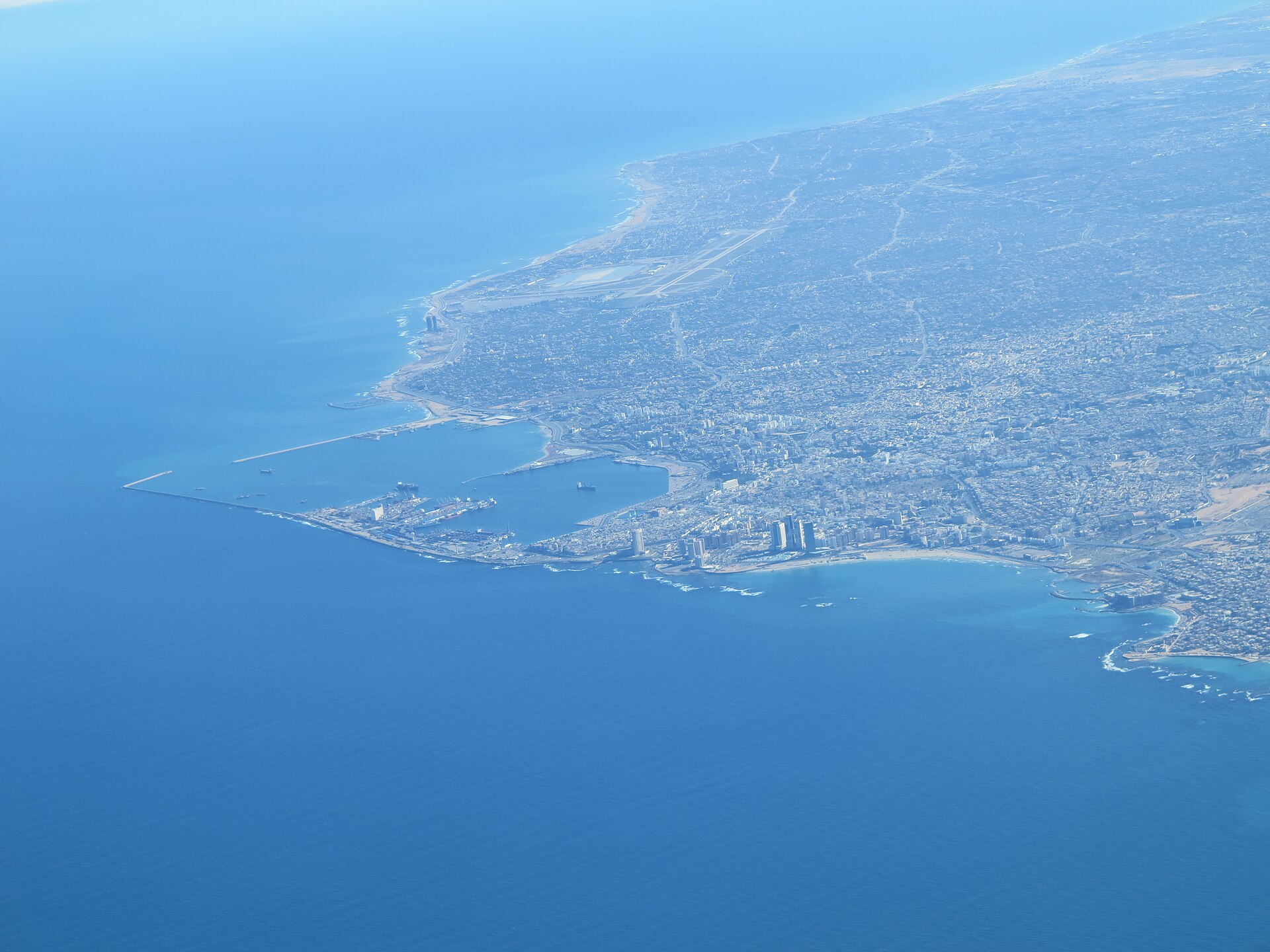 🌍Africa
Photo: Rio Times
Key points
- Egypt seeks to refine Libyan crude oil to boost its own export capabilities.
- Proposed 800km pipeline from Tobruk to Alexandria remains under negotiation.
- Talks include plans for a shared power grid and refinery repairs.
Egyptian Foreign Minister Badr Abdelatty visited Tripoli this past weekend to urge the finalization of joint energy projects, focusing specifically on the refining of Libyan crude oil within Egyptian facilities. The discussions, which included Libyan officials, aimed to accelerate cooperation on petroleum products, refinery rehabilitation, and the development of a shared electricity grid.
While no specific contracts, pricing, or production volumes were disclosed, the talks build upon earlier high-level discussions between Egyptian Prime Minister Mostafa Madbouly and his Libyan counterpart, Abdulhamid Dbeibah. Among the proposals under consideration is an 800-kilometer oil pipeline connecting the Libyan city of Tobruk to the Egyptian port of Alexandria, a project with an estimated cost exceeding $1 billion.
The initiative reflects Egypt's ongoing strategy to secure additional crude oil supplies to maximize the utility of its domestic refining infrastructure. By processing Libyan crude, Egypt intends to re-export refined fuels, potentially creating a new revenue stream for both nations. The meetings also coincided with the formal reopening of Egypt’s embassy in Tripoli, signaling a diplomatic push to normalize and deepen bilateral ties.
The stakes
Successful implementation of these projects would provide Libya with a more stable export route for its vast oil reserves while helping Egypt address its domestic fuel demand and refining capacity. However, the lack of formal agreements and the ongoing political fragmentation within Libya remain significant hurdles that could stall or derail these infrastructure investments.
Two readings
- Supporters view the energy partnership as a pragmatic step toward regional stability that leverages Libya's natural resources to bolster the economic security of both nations.
- Critics highlight the lack of transparency regarding financing and the potential for these projects to be complicated by Libya's divided political landscape and competing regional authorities.
Source Rio Times — riotimesonline.com/egypt-libya-talk-refining-libyan-oil-gas-links/ ↗
Read next
 ✒️Opinion & Analysis
ICJ Rules Myanmar Military Committed Genocide Against Rohingya
The International Court of Justice has found Myanmar's military guilty of genocide against the Rohingya, a ruling that damages the international standing of both Aung San…
 🕯️Democracy & Rights
Chinese teachers face rising parental pressure over personal life choices
Chinese educators are encountering a surge in unreasonable demands from parents, including complaints regarding teachers' pregnancy and maternity leave.
 🛡️War & Security
Ukraine Restricts Media Coverage of Infrastructure Damage Amid Russian Strikes
President Volodymyr Zelenskyy has issued a decree prohibiting media outlets from reporting on the impact of Russian strikes against critical infrastructure and the status…
 🏮China & Taiwan
Beijing Reaffirms Reunification Stance Following Taiwan Local Election Results
China’s Taiwan Affairs Office declared that the island’s reunification with the mainland remains inevitable, despite recent shifts in Taiwan's local political landscape.
 🇪🇺Europe
US Air Force Repels Unauthorized Drone Incursion at RAF Lakenheath
U.S. security forces at a British air base successfully countered a group of unidentified drones, amid growing concerns over potential foreign state involvement.
 ⚖️Law & Policy
India Government Proposes 50% Increase in Parliamentary Seats and Women's Reservation
The Indian government plans to introduce legislation to expand the Lok Sabha to 850 seats and mandate a 33% reservation for women in legislative bodies.