Cape Verde Holds Presidential Election With Incumbent Seeking Second Term
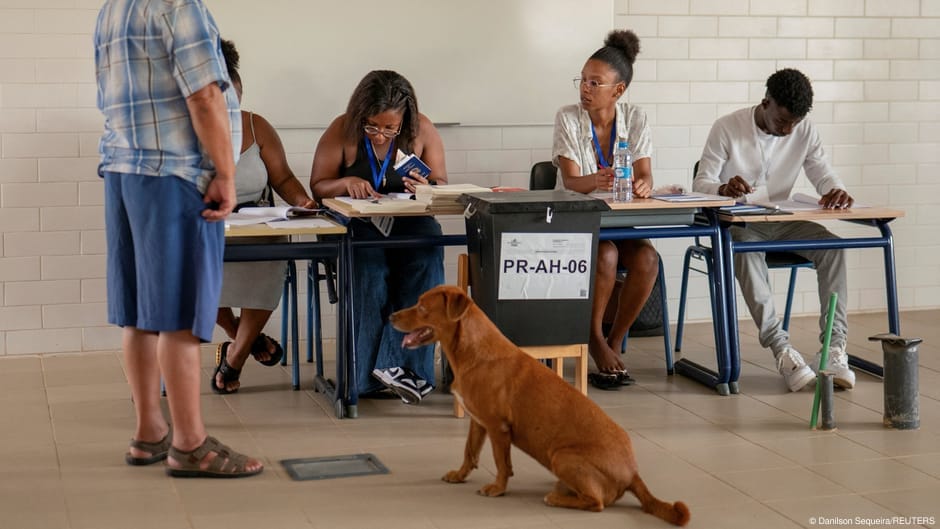
Citizens of Cape Verde cast ballots on Sunday to choose their next president, with incumbent Jose Maria Neves facing former justice minister Joana Rosa Amando among a field of six contenders.
 🌍Africa
Photo: DW English
Key points
- Incumbent Jose Maria Neves faces five challengers including Joana Rosa Amando.
- About 420,000 voters are eligible to participate across the volcanic archipelago.
- International observers from the AU, EU, and ECOWAS are monitoring the vote.
Voters across the Atlantic archipelago headed to the polls to elect a new head of state in a contest featuring six candidates, spearheaded by 66-year-old incumbent Jose Maria Neves and 61-year-old challenger Joana Rosa Amando. Voting stations opened at 09:00 GMT and closed at 19:00 GMT, with provisional outcomes anticipated overnight.
Approximately 420,000 citizens were eligible to participate in the democratic exercise, which was monitored by roughly 150 observers representing the African Union, the European Union, and the Economic Community of West African States. While the prime minister manages day-to-day executive governance in the nation's semi-presidential system, the presidency functions as a constitutional guarantor of national unity.
The campaign unfolded against a backdrop of steady economic growth driven largely by tourism, though the island nation continues to grapple with social inequality, elevated living costs, energy expenses, and youth unemployment. Neves entered the contest as the front-runner for a second term, while Amando sought to break barriers as the territory's inaugural female president.
The stakes
A victory for Neves would validate the current governance track and maintain political continuity in one of the continent's most stable democracies. Conversely, an upset by Amando would shatter a historic glass ceiling and introduce a new dynamic to national leadership while voters demand solutions to persistent economic pressures.
Two readings
- Supporters view the election as proof of Cape Verde's robust democratic institutions and peaceful governance model.
- Critics emphasize that despite strong governance rankings, leaders must address pressing challenges including cost-of-living increases and geographic isolation.
Source DW English — dw.com/en/cape-verde-goes-to-the-polls-in-presidential-vote/a-79952… ↗
Read next
 ✒️Opinion & Analysis
ICJ Rules Myanmar Military Committed Genocide Against Rohingya
The International Court of Justice has found Myanmar's military guilty of genocide against the Rohingya, a ruling that damages the international standing of both Aung San…
 🕯️Democracy & Rights
Chinese teachers face rising parental pressure over personal life choices
Chinese educators are encountering a surge in unreasonable demands from parents, including complaints regarding teachers' pregnancy and maternity leave.
 🛡️War & Security
Ukraine Restricts Media Coverage of Infrastructure Damage Amid Russian Strikes
President Volodymyr Zelenskyy has issued a decree prohibiting media outlets from reporting on the impact of Russian strikes against critical infrastructure and the status…
 🏮China & Taiwan
Beijing Reaffirms Reunification Stance Following Taiwan Local Election Results
China’s Taiwan Affairs Office declared that the island’s reunification with the mainland remains inevitable, despite recent shifts in Taiwan's local political landscape.
 🇪🇺Europe
US Air Force Repels Unauthorized Drone Incursion at RAF Lakenheath
U.S. security forces at a British air base successfully countered a group of unidentified drones, amid growing concerns over potential foreign state involvement.
 ⚖️Law & Policy
India Government Proposes 50% Increase in Parliamentary Seats and Women's Reservation
The Indian government plans to introduce legislation to expand the Lok Sabha to 850 seats and mandate a 33% reservation for women in legislative bodies.