ANC Rules Out Broad Stability Pact With DA Following Local Elections
The African National Congress has rejected a broad national stability pact with the Democratic Alliance following local elections, choosing instead to explore alternative partnerships and opposition roles.
 🌍Africa
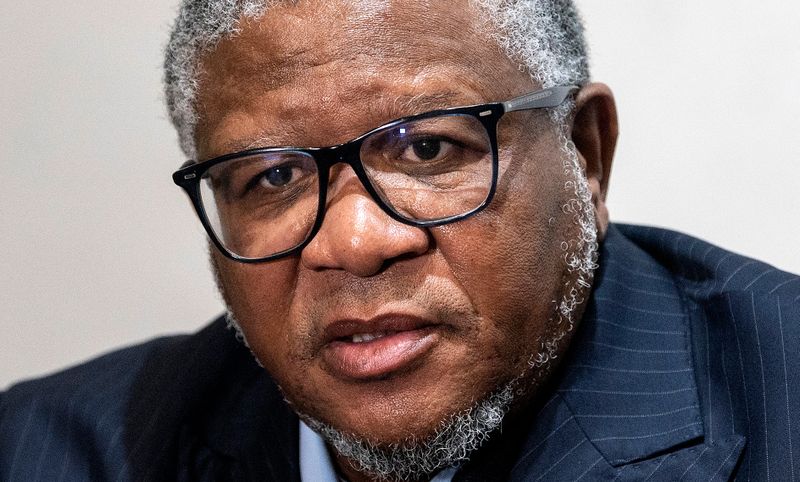
Photo: Daily Maverick
Key points
- ANC rejects broad stability pact with the DA after local elections
- Ruling party considers opposition roles in councils with low vote shares
- Disagreements center on transformation policies and budget support
The African National Congress (ANC) has formally ruled out entering into a sweeping stability pact with the Democratic Alliance (DA) that would mirror the national Government of National Unity. Following an extended top brass meeting of the National Executive Committee, the ruling party opted against a wide-ranging coalition with its federal partner, citing deep-seated objections over transformative policies such as Broad-Based Black Economic Empowerment and employment equity.
Internal sources indicated that while bilateral talks between the two parties formally opened, the DA is viewed with intense resistance within the ANC leadership. Discussions have raised the prospect of the ANC stepping into opposition in municipalities and metropolitan areas where its vote share fell below specific thresholds, such as under 20 percent in metros and 30 percent in local councils. The party also weighed minority government frameworks, drawing on previous legislative arrangements where individual pacts are forged to secure budgets and policy votes.
The strain between the two organizations escalated following disputes over the 2025 national budget and disagreements regarding legislative oversight in education. Despite the tensions, the ANC leadership emphasized its mandate to engage with a wide spectrum of political entities, including smaller parties, civic movements, and independents, to secure council stability ahead of upcoming municipal formations.
The stakes
Rejecting a unified pact alters the governance landscape across numerous municipalities where combined numbers would have guaranteed stability, placing additional pressure on the longevity of the national power-sharing arrangement and forcing both parties to seek alternative political allies.
Two readings
- Supporters view the decision as a necessary defense of core transformation policies and an assertion of ideological independence from an antagonistic partner.
- Critics argue that shunning cooperation undermines municipal governance stability and disregards voter mandates for collaborative leadership.
Source Daily Maverick — dailymaverick.co.za/article/2026-11-15-anc-rules-out-national-stabi… ↗
Read next
 ✒️Opinion & Analysis
ICJ Rules Myanmar Military Committed Genocide Against Rohingya
The International Court of Justice has found Myanmar's military guilty of genocide against the Rohingya, a ruling that damages the international standing of both Aung San…
 🕯️Democracy & Rights
Chinese teachers face rising parental pressure over personal life choices
Chinese educators are encountering a surge in unreasonable demands from parents, including complaints regarding teachers' pregnancy and maternity leave.
 🛡️War & Security
Ukraine Restricts Media Coverage of Infrastructure Damage Amid Russian Strikes
President Volodymyr Zelenskyy has issued a decree prohibiting media outlets from reporting on the impact of Russian strikes against critical infrastructure and the status…
 🏮China & Taiwan
Beijing Reaffirms Reunification Stance Following Taiwan Local Election Results
China’s Taiwan Affairs Office declared that the island’s reunification with the mainland remains inevitable, despite recent shifts in Taiwan's local political landscape.
 🇪🇺Europe
US Air Force Repels Unauthorized Drone Incursion at RAF Lakenheath
U.S. security forces at a British air base successfully countered a group of unidentified drones, amid growing concerns over potential foreign state involvement.
 ⚖️Law & Policy
India Government Proposes 50% Increase in Parliamentary Seats and Women's Reservation
The Indian government plans to introduce legislation to expand the Lok Sabha to 850 seats and mandate a 33% reservation for women in legislative bodies.