South African Police Arrest Two Over Gqeberha Traffic Light Vandalism
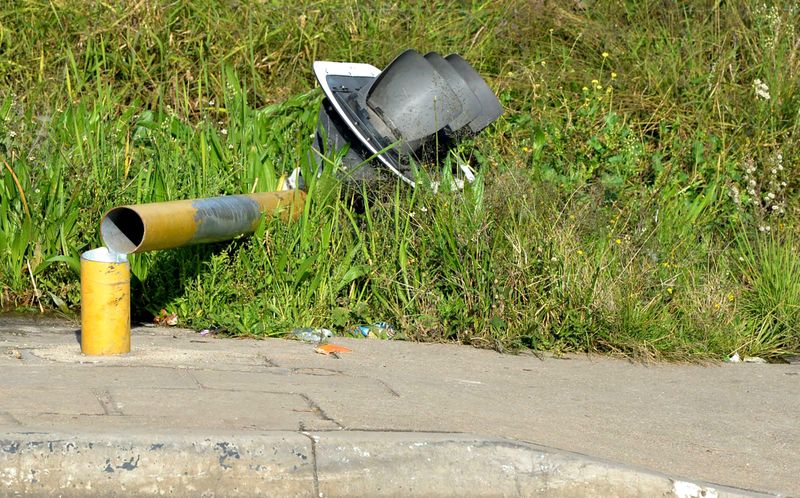
Law enforcement in Gqeberha arrested two suspects for allegedly vandalizing municipal traffic lights, highlighting a crisis of infrastructure theft that costs hundreds of thousands of rands per intersection.
 🌍Africa
Photo: Daily Maverick
Key points
- Two suspects arrested in Gqeberha for traffic light vandalism.
- Repairs at a single intersection can cost up to R400,000.
- Automobile Association calls for greater municipal transparency.
Two men were taken into custody in the early hours of Monday, November 16, following the alleged vandalism of traffic signals on the Commercial Road Bridge in Sidwell, Gqeberha. According to police statements provided by Captain Sandra Janse van Rensburg, the suspects, aged 25 and 35, were intercepted by the Gqeberha K9 Unit and Flying Squad with tools including hacksaws, spanners, and confiscated copper wiring. They are scheduled to face charges of damaging essential infrastructure in the New Brighton Magistrates’ Court.
Municipal officials warned that repairing the resulting damage at a single intersection can cost up to R400,000, severely straining local government finances. Sithembiso Soyaya, a spokesperson for the Nelson Mandela Bay Municipality, noted that the crime forces authorities into a continuous cycle of restoring identical assets rather than expanding public services. Former Mayoral Committee Member Yolisa Pali-Jongilanga previously cautioned that repeated expenditures on recurring vandalism could trigger scrutiny from the National Treasury regarding the management of public funds.
The incident intensifies pressure on local authorities to improve transparency and address severe maintenance backlogs. Public frustration has boiled over in recent months, with local businesses staging protests and the Automobile Association urging municipalities to establish public registers for tracking broken streetlights and traffic signals.
The stakes
Local taxpayers and motorists bear the heaviest burden, facing dangerous intersections and diverted municipal funds, while the local government risks financial penalties and ongoing service delivery failures if the cycle of infrastructure theft cannot be halted.
Two readings
- Supporters of municipal intervention argue that strict policing, tougher penalties for essential infrastructure crimes, and better asset tracking are vital to stopping the bleeding of public funds.
- Critics and advocacy groups contend that local authorities rely too heavily on punitive measures while failing to maintain transparent repair schedules, secure vulnerable components, or curb the illicit scrap metal trade driving the thefts.
Source Daily Maverick — dailymaverick.co.za/article/2026-11-17-two-arrested-over-traffic-li… ↗
Read next
 ✒️Opinion & Analysis
ICJ Rules Myanmar Military Committed Genocide Against Rohingya
The International Court of Justice has found Myanmar's military guilty of genocide against the Rohingya, a ruling that damages the international standing of both Aung San…
 🕯️Democracy & Rights
Chinese teachers face rising parental pressure over personal life choices
Chinese educators are encountering a surge in unreasonable demands from parents, including complaints regarding teachers' pregnancy and maternity leave.
 🛡️War & Security
Ukraine Restricts Media Coverage of Infrastructure Damage Amid Russian Strikes
President Volodymyr Zelenskyy has issued a decree prohibiting media outlets from reporting on the impact of Russian strikes against critical infrastructure and the status…
 🏮China & Taiwan
Beijing Reaffirms Reunification Stance Following Taiwan Local Election Results
China’s Taiwan Affairs Office declared that the island’s reunification with the mainland remains inevitable, despite recent shifts in Taiwan's local political landscape.
 🇪🇺Europe
US Air Force Repels Unauthorized Drone Incursion at RAF Lakenheath
U.S. security forces at a British air base successfully countered a group of unidentified drones, amid growing concerns over potential foreign state involvement.
 ⚖️Law & Policy
India Government Proposes 50% Increase in Parliamentary Seats and Women's Reservation
The Indian government plans to introduce legislation to expand the Lok Sabha to 850 seats and mandate a 33% reservation for women in legislative bodies.