Tunisia Secures Record Olive Oil Exports Following Bumper Harvest
Tunisia has solidified its position as the world's second-largest olive oil producer, reporting a nearly 50% surge in export volumes.
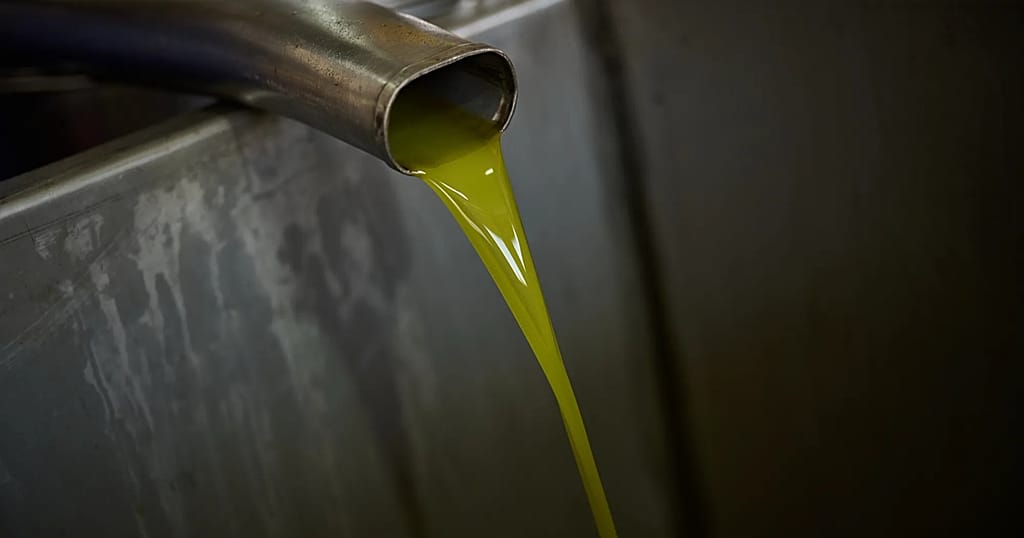 🌍Africa
Photo: Africanews
Key points
- Olive oil exports rose by 47.7% to 413,100 tonnes.
- Tunisia reclaimed its position as the world's second-largest producer.
- The sector generated $1.7 billion in revenue, supporting hundreds of thousands of jobs.
Tunisia’s olive oil sector has experienced a significant boost, with official data from the National Agricultural Observatory revealing a 47.7% increase in exports for the season ending in October. The country reached a total export volume of 413,100 tonnes, generating approximately $1.7 billion in revenue. This performance follows a record-breaking harvest that saw production exceed 500,000 tonnes, marking the highest output in five years.
The surge in production has propelled Tunisia to become the second-largest olive oil producer globally, trailing only Spain. This milestone represents a return to a status the nation last held in 2015. With agriculture contributing roughly 10% to the national GDP, the sector remains a vital pillar of the Tunisian economy and a primary source of essential foreign currency reserves.
The reach of Tunisian exports has expanded significantly, with products now distributed to nearly 100 countries. Spain remains the largest importer, accounting for approximately one-third of total exports, followed by the United States at 20% and Italy at 19%. These figures underscore the reliance of the domestic workforce on the olive oil industry, which supports the livelihoods of hundreds of thousands of citizens.
The stakes
The record harvest provides a critical influx of foreign currency for the Tunisian government, helping to stabilize national finances amid broader economic challenges. While the industry gains from increased market share, the country remains vulnerable to future climate fluctuations that could threaten this agricultural output and the stability of its export-led revenue model.
Two readings
- Supporters view the export surge as a testament to the resilience of the agricultural sector and a necessary catalyst for economic growth.
- Critics emphasize that the heavy reliance on a single agricultural commodity leaves the national economy exposed to global market volatility and environmental risks.
Source Africanews — africanews.com/2026/11/18/tunisia-olive-oil-exports-jump-nearly-50-o… ↗
Read next
 ✒️Opinion & Analysis
ICJ Rules Myanmar Military Committed Genocide Against Rohingya
The International Court of Justice has found Myanmar's military guilty of genocide against the Rohingya, a ruling that damages the international standing of both Aung San…
 🕯️Democracy & Rights
Chinese teachers face rising parental pressure over personal life choices
Chinese educators are encountering a surge in unreasonable demands from parents, including complaints regarding teachers' pregnancy and maternity leave.
 🛡️War & Security
Ukraine Restricts Media Coverage of Infrastructure Damage Amid Russian Strikes
President Volodymyr Zelenskyy has issued a decree prohibiting media outlets from reporting on the impact of Russian strikes against critical infrastructure and the status…
 🏮China & Taiwan
Beijing Reaffirms Reunification Stance Following Taiwan Local Election Results
China’s Taiwan Affairs Office declared that the island’s reunification with the mainland remains inevitable, despite recent shifts in Taiwan's local political landscape.
 🇪🇺Europe
US Air Force Repels Unauthorized Drone Incursion at RAF Lakenheath
U.S. security forces at a British air base successfully countered a group of unidentified drones, amid growing concerns over potential foreign state involvement.
 ⚖️Law & Policy
India Government Proposes 50% Increase in Parliamentary Seats and Women's Reservation
The Indian government plans to introduce legislation to expand the Lok Sabha to 850 seats and mandate a 33% reservation for women in legislative bodies.