Nigerian Judiciary Urged to Strengthen Oversight of Electoral Processes
Retired Justice Oludotun Adefope-Okojie has called for increased judicial intervention in Nigerian electoral disputes to address systemic breaches of party and election laws.
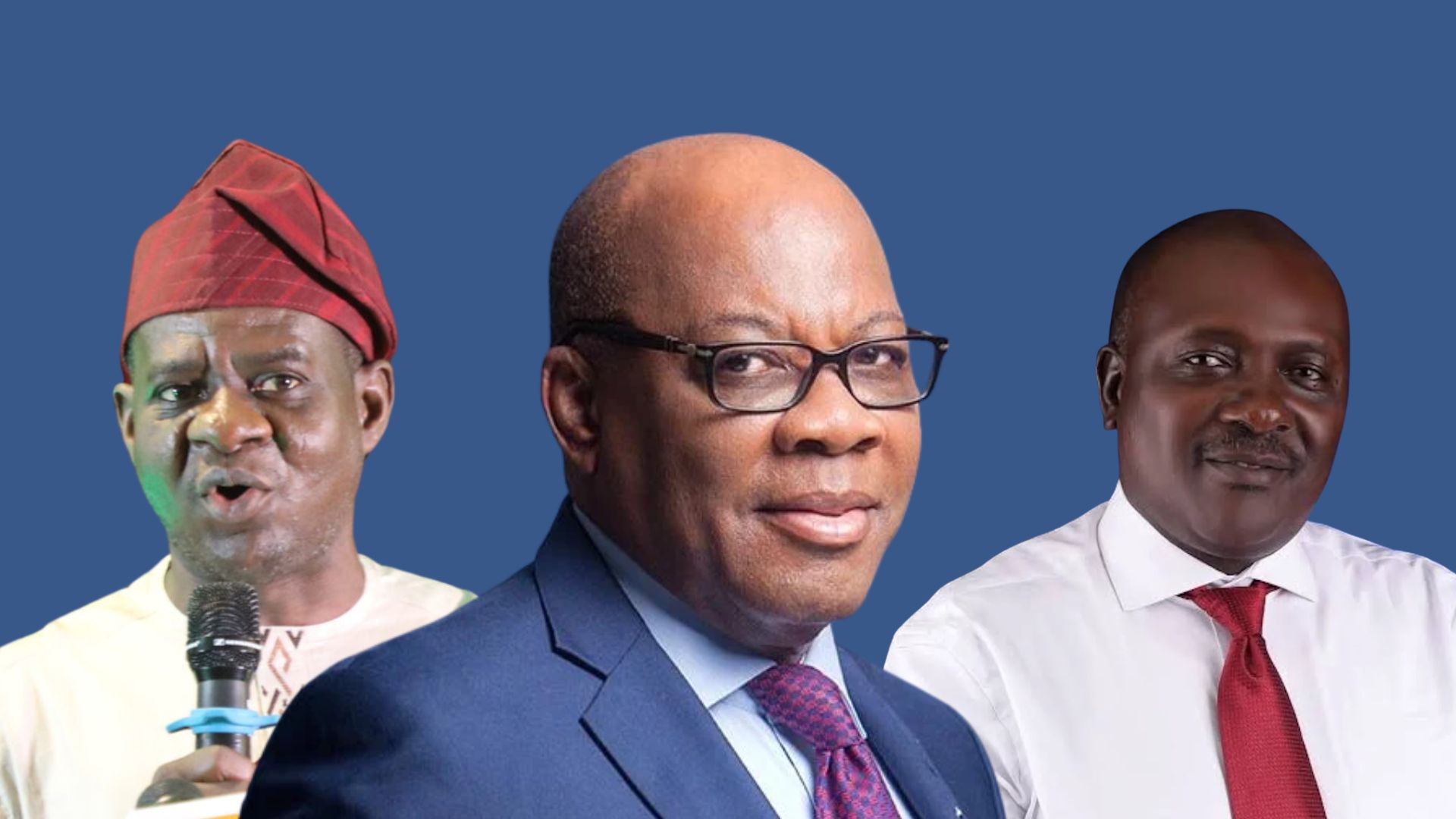 🌍Africa
Photo: Premium Times
Key points
- Justice Adefope-Okojie calls for courts to intervene in party constitution breaches.
- High volume of election petitions indicates deep public distrust in the electoral process.
- Need for clearer legal frameworks regarding electronic voting and transmission evidence.
At the 2026 Gavel International Annual Lecture in Lagos, retired Court of Appeal Justice Oludotun Adefope-Okojie challenged the judiciary to take a more active role in sanitizing Nigeria's electoral process. Addressing the theme of judicial intervention, she argued that courts must stop using the doctrine of party autonomy as a shield to avoid scrutinizing violations of party constitutions and the Electoral Act.
Justice Adefope-Okojie highlighted the high volume of election petitions—noting that 1,209 were filed following the 2023 general elections—as a clear indicator of public distrust in the system. She identified flawed party congresses and the unlawful imposition of candidates as primary drivers of this litigation. To restore integrity, she proposed that courts prioritize corrective and protective measures, such as ordering fresh elections when a legitimate winner cannot be determined, rather than unilaterally declaring candidates winners.
The former justice also emphasized the need for clearer legal standards regarding electronic evidence. She specifically pointed to the Bimodal Voter Accreditation System and the INEC Result Viewing Portal, noting that current ambiguities surrounding electronic transmission failures hinder the adjudication of results. She concluded by urging judges to ensure their rulings respect the sovereignty of the electorate while remaining within the bounds of their judicial mandate.
The stakes
If the judiciary adopts a more interventionist approach, political parties will face stricter enforcement of their internal rules, potentially reducing candidate imposition. However, this shift risks further politicizing the courts and could lead to increased judicial influence over the final outcomes of democratic contests.
Two readings
- Supporters argue that judicial oversight is essential to hold political parties accountable and prevent the subversion of electoral laws.
- Critics contend that excessive judicial interference risks undermining the independence of political parties and could lead to the usurpation of the voters' mandate.
Source Premium Times — premiumtimesng.com/news/top-news/926319-premium-times-editor-in-chi… ↗
Read next
 ✒️Opinion & Analysis
ICJ Rules Myanmar Military Committed Genocide Against Rohingya
The International Court of Justice has found Myanmar's military guilty of genocide against the Rohingya, a ruling that damages the international standing of both Aung San…
 🕯️Democracy & Rights
Chinese teachers face rising parental pressure over personal life choices
Chinese educators are encountering a surge in unreasonable demands from parents, including complaints regarding teachers' pregnancy and maternity leave.
 🛡️War & Security
Ukraine Restricts Media Coverage of Infrastructure Damage Amid Russian Strikes
President Volodymyr Zelenskyy has issued a decree prohibiting media outlets from reporting on the impact of Russian strikes against critical infrastructure and the status…
 🏮China & Taiwan
Beijing Reaffirms Reunification Stance Following Taiwan Local Election Results
China’s Taiwan Affairs Office declared that the island’s reunification with the mainland remains inevitable, despite recent shifts in Taiwan's local political landscape.
 🇪🇺Europe
US Air Force Repels Unauthorized Drone Incursion at RAF Lakenheath
U.S. security forces at a British air base successfully countered a group of unidentified drones, amid growing concerns over potential foreign state involvement.
 ⚖️Law & Policy
India Government Proposes 50% Increase in Parliamentary Seats and Women's Reservation
The Indian government plans to introduce legislation to expand the Lok Sabha to 850 seats and mandate a 33% reservation for women in legislative bodies.