Cameroon Faces Election Uncertainty as Legal Deadline Looms
Cameroon's President Paul Biya faces a critical deadline to issue a decree for parliamentary and local elections, raising questions about the stability of the country's electoral calendar.
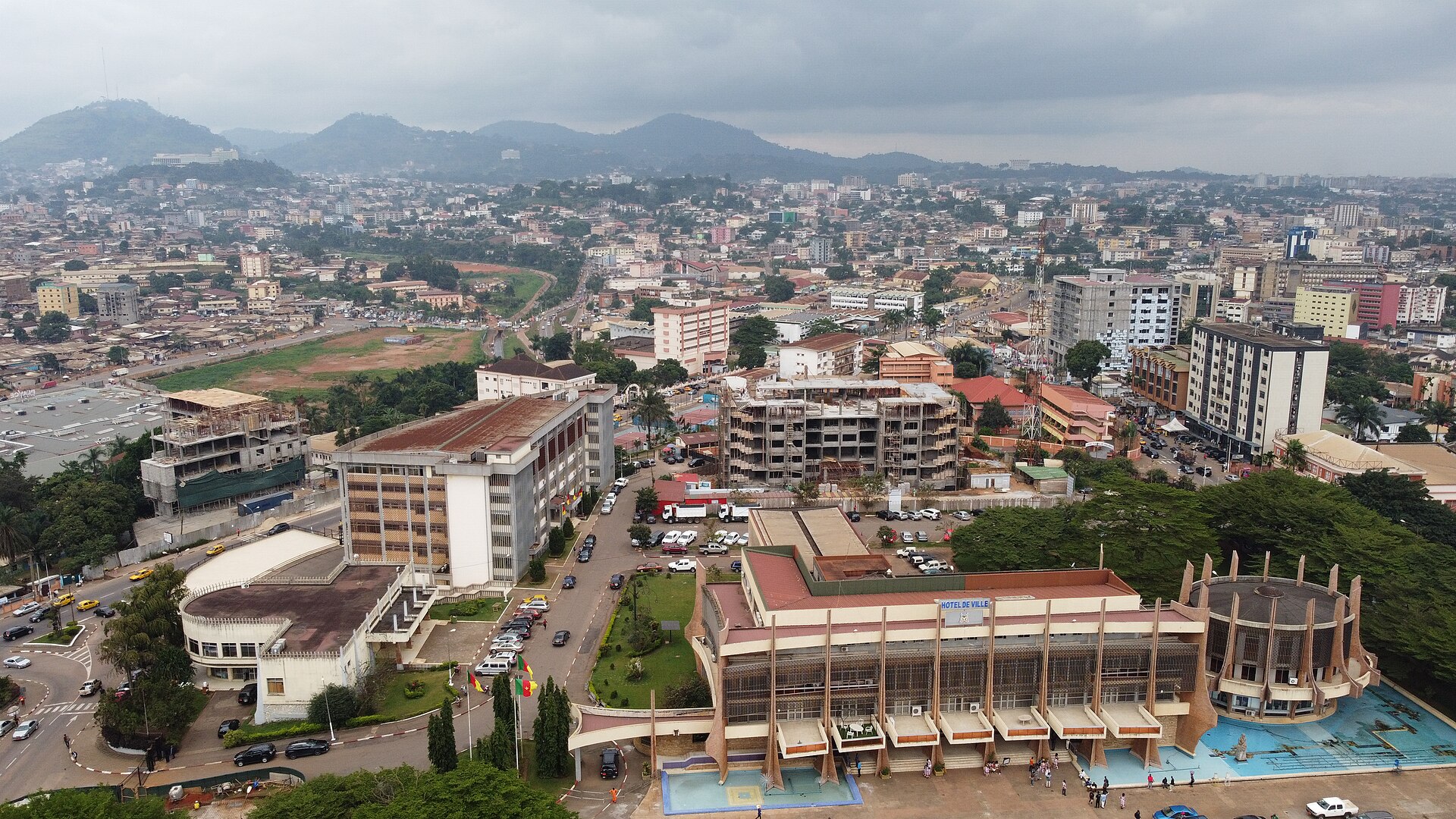 🌍Africa
Photo: Rio Times
Key points
- President Paul Biya faces a midnight deadline to call for 2027 elections.
- The legal window requires a decree 90 days prior to the proposed February 7 polling date.
- Previous mandate extensions for deputies and councillors have drawn legal challenges from the opposition.
Cameroon’s government faces a significant procedural hurdle as the deadline to formally call parliamentary and local elections approaches. Under the nation's 2012 Electoral Code, a presidential decree must be published at least 90 days before polling day. With February 7, 2027, identified as the target date for these combined votes, the legal window for President Paul Biya to issue the necessary mandate expires at midnight on November 9, 2026.
President Biya, who has been in power since 1982, previously cited “compelling constraints” in early 2026 to justify adjustments to the electoral schedule. Since then, the mandates for both members of parliament and local councillors have been extended, sparking legal challenges. In June 2026, the Mouvement pour la Renaissance du Cameroun (MRC), led by opposition figure Maurice Kamto, petitioned the Constitutional Council to declare the extension of local mandates unlawful, though the court reportedly dismissed the challenge.
Should the midnight deadline pass without a decree, the government will be forced to either select a later date for the elections or seek a third extension for the terms of local councillors. As of the current reporting, no official announcement regarding the polling date has been made, leaving the political timeline for early 2027 in flux.
The stakes
The failure to set a firm election date creates significant political instability and uncertainty for international partners and investors. If the government opts for another mandate extension, it risks further eroding public trust and deepening the divide between the ruling administration and the opposition, potentially fueling domestic unrest.
Two readings
- Supporters of the administration argue that administrative flexibility is necessary to ensure secure and orderly elections amidst complex national challenges.
- Critics contend that repeated delays and mandate extensions are calculated maneuvers to consolidate power and circumvent the democratic process.
Source Rio Times — riotimesonline.com/cameroon-deadline-call-elections-9-november/ ↗
Read next
 ✒️Opinion & Analysis
ICJ Rules Myanmar Military Committed Genocide Against Rohingya
The International Court of Justice has found Myanmar's military guilty of genocide against the Rohingya, a ruling that damages the international standing of both Aung San…
 🕯️Democracy & Rights
Chinese teachers face rising parental pressure over personal life choices
Chinese educators are encountering a surge in unreasonable demands from parents, including complaints regarding teachers' pregnancy and maternity leave.
 🛡️War & Security
Ukraine Restricts Media Coverage of Infrastructure Damage Amid Russian Strikes
President Volodymyr Zelenskyy has issued a decree prohibiting media outlets from reporting on the impact of Russian strikes against critical infrastructure and the status…
 🏮China & Taiwan
Beijing Reaffirms Reunification Stance Following Taiwan Local Election Results
China’s Taiwan Affairs Office declared that the island’s reunification with the mainland remains inevitable, despite recent shifts in Taiwan's local political landscape.
 🇪🇺Europe
US Air Force Repels Unauthorized Drone Incursion at RAF Lakenheath
U.S. security forces at a British air base successfully countered a group of unidentified drones, amid growing concerns over potential foreign state involvement.
 ⚖️Law & Policy
India Government Proposes 50% Increase in Parliamentary Seats and Women's Reservation
The Indian government plans to introduce legislation to expand the Lok Sabha to 850 seats and mandate a 33% reservation for women in legislative bodies.