Angola’s National Assembly Begins Debate on 2027 State Budget
The Angolan parliament has commenced deliberations on a 37.34 trillion kwanza budget for 2027, with a key vote scheduled for November 12.
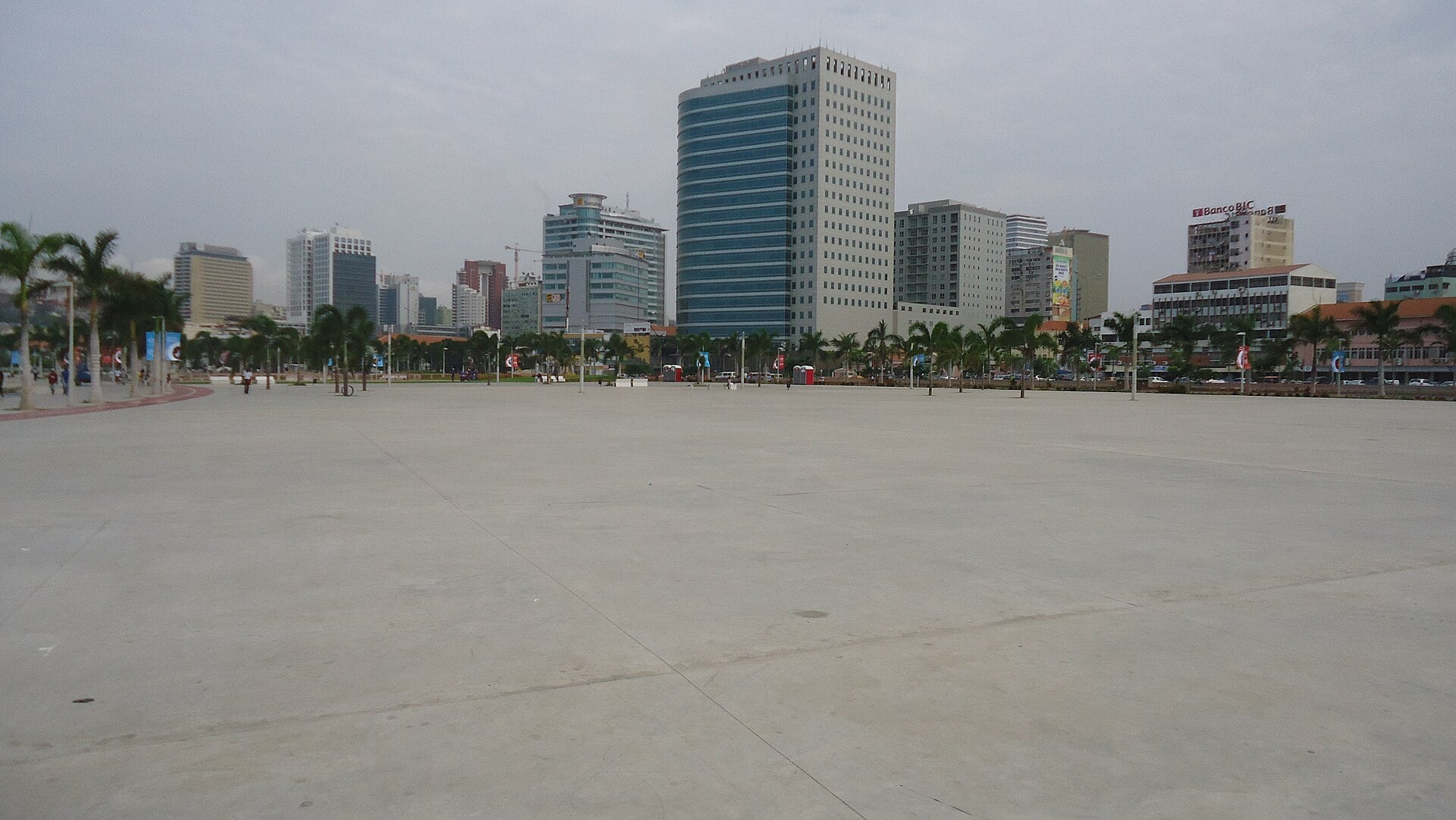 🌍Africa
Photo: Rio Times
Key points
- Angolan parliament reviews 37.34 trillion kwanza budget for 2027.
- Government sets oil reference price at US$71 per barrel.
- Budget includes funding for 2027 general elections.
- Preliminary vote scheduled for November 12, 2026.
The Angolan National Assembly initiated its review of the proposed 2027 state budget on Monday, November 9, 2026. The legislative package, which totals 37.34 trillion kwanzas—approximately US$41 billion—is set to undergo a preliminary vote in the full chamber this Thursday. The bill outlines the government's fiscal strategy, including assumptions for oil prices and national borrowing, while allocating necessary funding for the country's upcoming 2027 general elections.
Minister of State for Economic Coordination José de Lima Massano presented the proposal in late October, emphasizing a commitment to economic diversification and fiscal prudence. The government’s projections rely on an oil reference price of US$71 per barrel and anticipate a 5.5% economic growth rate. State borrowing requirements are currently estimated at 15.5 trillion kwanzas, though officials noted this figure could fluctuate depending on global oil market performance.
Beyond the budget, lawmakers are reviewing the implementation of the 2026 fiscal plan and considering a new Corporate Income Tax Code. The session also addresses potential adjustments to import duties within the Southern African Development Community (SADC) framework. Given the governing MPLA party's parliamentary majority, the budget is expected to pass, despite anticipated opposition from the UNITA party.
The stakes
The budget's passage will determine the fiscal capacity of the Angolan government to fund public investments and election preparations. For international stakeholders, including major oil firms and bondholders, the final approved reference price and borrowing limits will signal the country's economic stability and future tax obligations.
Two readings
- Supporters argue the budget provides a necessary framework for economic growth and ensures the successful administration of the 2027 general elections.
- Critics, led by the opposition, have historically challenged the government's fiscal management and are likely to scrutinize the reliance on oil revenue and high borrowing targets.
Source Rio Times — riotimesonline.com/angola-parliament-2027-budget-debate/ ↗
Read next
 ✒️Opinion & Analysis
ICJ Rules Myanmar Military Committed Genocide Against Rohingya
The International Court of Justice has found Myanmar's military guilty of genocide against the Rohingya, a ruling that damages the international standing of both Aung San…
 🕯️Democracy & Rights
Chinese teachers face rising parental pressure over personal life choices
Chinese educators are encountering a surge in unreasonable demands from parents, including complaints regarding teachers' pregnancy and maternity leave.
 🛡️War & Security
Ukraine Restricts Media Coverage of Infrastructure Damage Amid Russian Strikes
President Volodymyr Zelenskyy has issued a decree prohibiting media outlets from reporting on the impact of Russian strikes against critical infrastructure and the status…
 🏮China & Taiwan
Beijing Reaffirms Reunification Stance Following Taiwan Local Election Results
China’s Taiwan Affairs Office declared that the island’s reunification with the mainland remains inevitable, despite recent shifts in Taiwan's local political landscape.
 🇪🇺Europe
US Air Force Repels Unauthorized Drone Incursion at RAF Lakenheath
U.S. security forces at a British air base successfully countered a group of unidentified drones, amid growing concerns over potential foreign state involvement.
 ⚖️Law & Policy
India Government Proposes 50% Increase in Parliamentary Seats and Women's Reservation
The Indian government plans to introduce legislation to expand the Lok Sabha to 850 seats and mandate a 33% reservation for women in legislative bodies.