Libya's Dbeibah Signs Energy Deals in Cairo With Egyptian President El-Sisi
Libya's Prime Minister Abdul Hamid Dbeibah and Egyptian President Abdel Fattah el-Sisi signed energy agreements and memoranda of understanding in Cairo, though no financial values, volumes, or timetables were released.
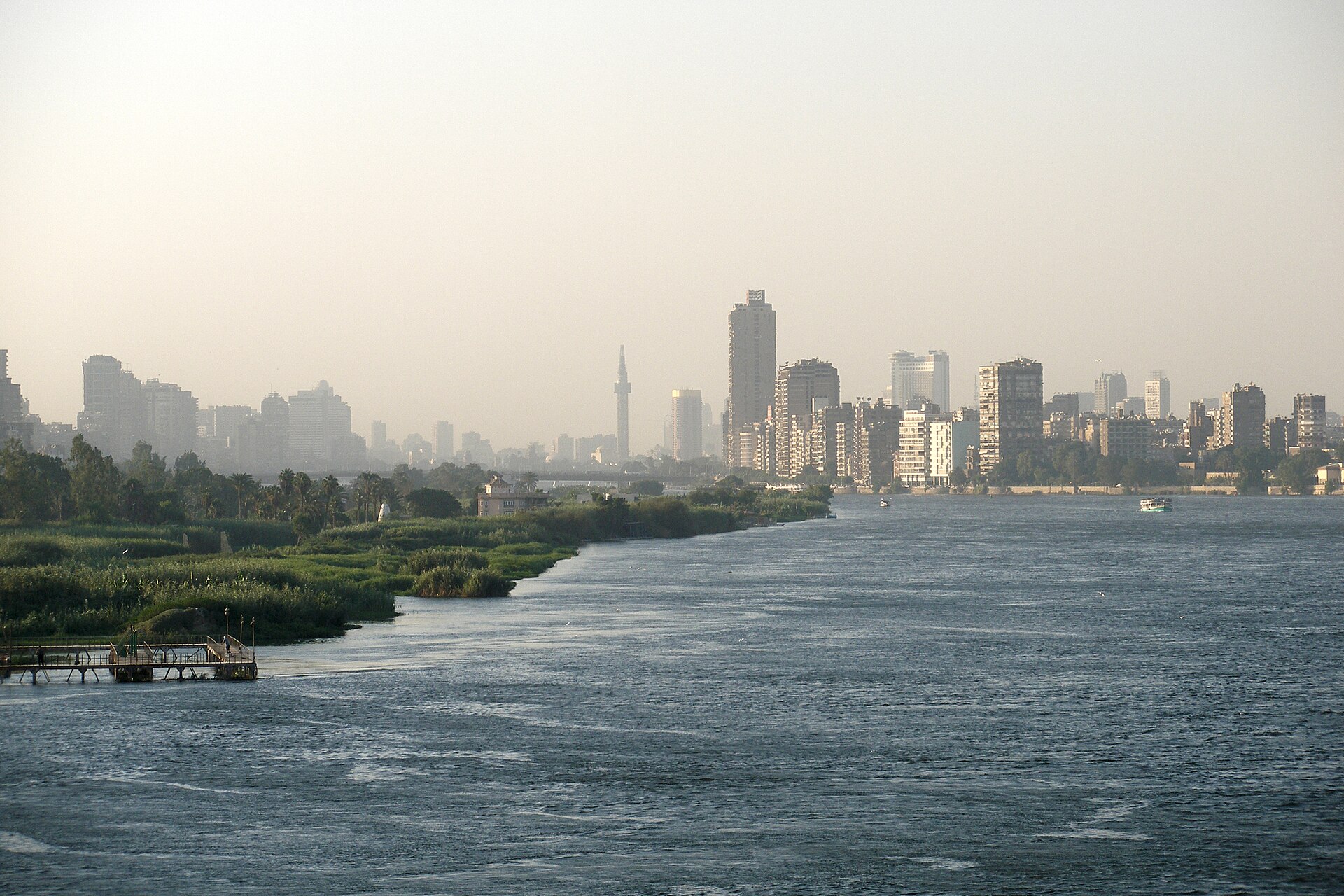 🌍Africa
Photo: Rio Times
Key points
- Libya and Egypt signed energy MoUs in Cairo on 19 November 2026.
- The agreements lack published financial values, volumes, or timetables.
- Cairo has held concurrent talks with both western and eastern Libyan factions.
Egyptian President Abdel Fattah el-Sisi received Abdul Hamid Dbeibah, prime minister of Libya's Tripoli-based Government of National Unity, in Cairo to finalize agreements and memoranda of understanding covering natural gas infrastructure, petroleum product refining, and natural resources. The public announcement issued by the Egyptian Presidency omitted any price tags, delivery volumes, or project timetables for the energy pacts, which also encompassed fisheries, labor, media cooperation, and small business development.
The diplomatic engagement follows recent talks in Tripoli between Egyptian Foreign Minister Badr Abdelatty and Libya's acting oil minister, Khalifa Abdulsadek, regarding a gas pipeline link and electricity grid interconnection. Ahead of Thursday's summit, Egypt's intelligence chief Hassan Rashad also met with Saddam Haftar, son of eastern Libyan commander Khalifa Haftar, indicating Cairo is engaging both factions of the politically divided country.
Alongside energy infrastructure, Prime Minister Dbeibah raised administrative hurdles regarding visa procedures, residency rules, and border crossing access for Libyan nationals entering Egypt. Both delegations agreed to task their respective interior ministries with resolving these consular issues without setting a formal deadline.
The stakes
Libya possesses Africa's largest proven oil reserves, making the implementation of any infrastructure or refining pacts vital for regional energy flows. If these preliminary memorandums translate into binding contracts, Egypt stands to secure reliable crude processing and gas supplies, while Libyan authorities risk deepening domestic friction if eastern factions feel excluded from bilateral resource deals.
Two readings
- Supporters read the agreements as pragmatic economic cooperation that harnesses Libya's vast hydrocarbon wealth to foster stability and infrastructure integration across North Africa.
- Critics read the pacts as opaque political maneuvers that bypass rival eastern authorities and lack essential transparency regarding costs, volumes, and binding legal commitments.
Source Rio Times — riotimesonline.com/libya-dbeibah-sisi-cairo-energy-mous-gas-refinin… ↗
Read next
 ✒️Opinion & Analysis
ICJ Rules Myanmar Military Committed Genocide Against Rohingya
The International Court of Justice has found Myanmar's military guilty of genocide against the Rohingya, a ruling that damages the international standing of both Aung San…
 🕯️Democracy & Rights
Chinese teachers face rising parental pressure over personal life choices
Chinese educators are encountering a surge in unreasonable demands from parents, including complaints regarding teachers' pregnancy and maternity leave.
 🛡️War & Security
Ukraine Restricts Media Coverage of Infrastructure Damage Amid Russian Strikes
President Volodymyr Zelenskyy has issued a decree prohibiting media outlets from reporting on the impact of Russian strikes against critical infrastructure and the status…
 🏮China & Taiwan
Beijing Reaffirms Reunification Stance Following Taiwan Local Election Results
China’s Taiwan Affairs Office declared that the island’s reunification with the mainland remains inevitable, despite recent shifts in Taiwan's local political landscape.
 🇪🇺Europe
US Air Force Repels Unauthorized Drone Incursion at RAF Lakenheath
U.S. security forces at a British air base successfully countered a group of unidentified drones, amid growing concerns over potential foreign state involvement.
 ⚖️Law & Policy
India Government Proposes 50% Increase in Parliamentary Seats and Women's Reservation
The Indian government plans to introduce legislation to expand the Lok Sabha to 850 seats and mandate a 33% reservation for women in legislative bodies.