Sudan Army Advances as South Sudan Sets Postponed Election for February 2027
General Abdel Fattah al-Burhan's forces advance in Sudan, while South Sudan reschedules its first post-independence election for February 2027 amid regional crises.
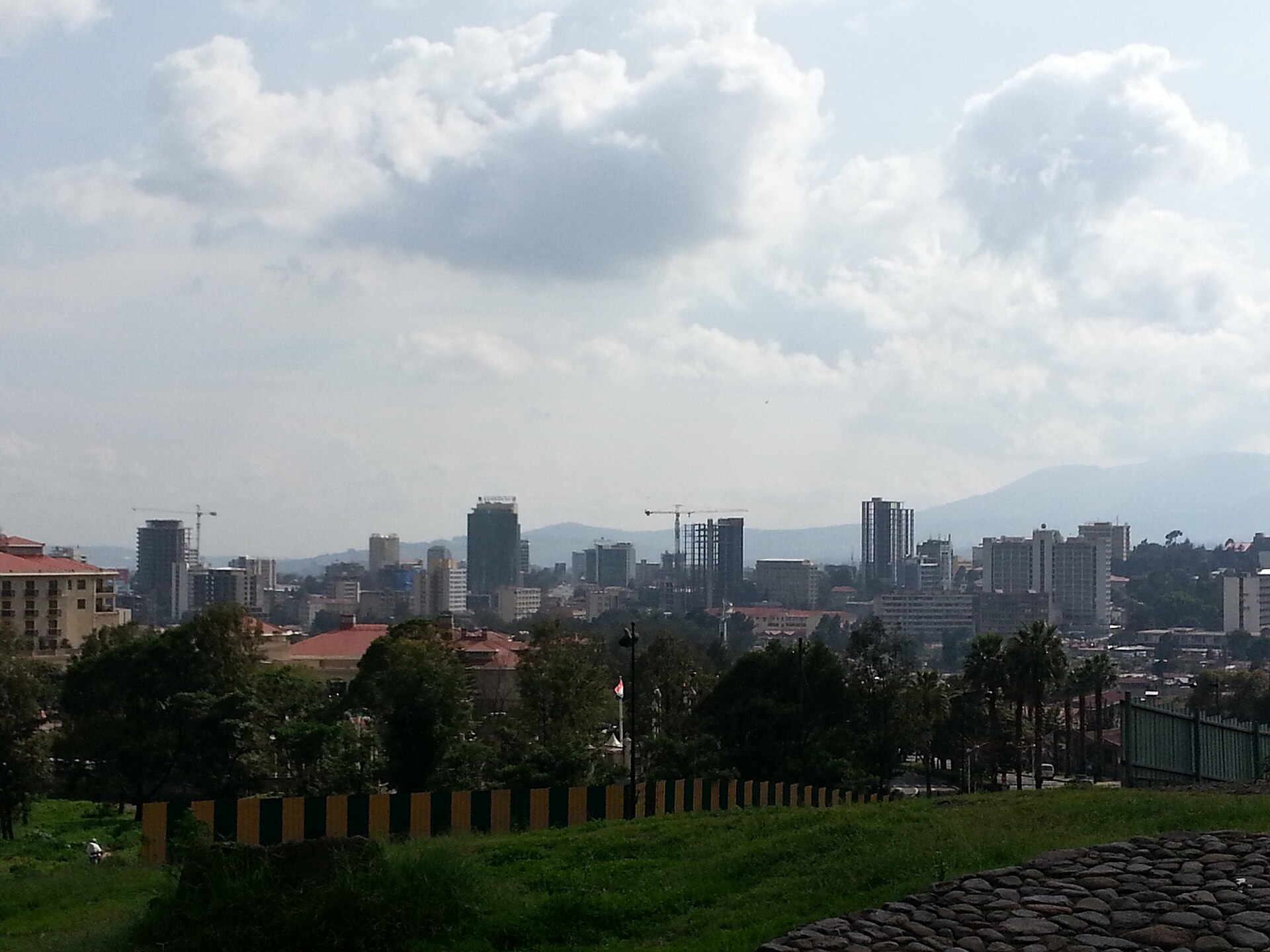 🌍Africa
Photo: Rio Times
Key points
- Sudanese army captures Al Khuway and advances toward Al Nuhud.
- South Sudan reschedules its first general election to February 2027.
- UN reports 2,230 civilian deaths in Sudan from January to October.
The Sudanese military, led by General Abdel Fattah al-Burhan, has captured the town of Al Khuway and advanced to within approximately 60 kilometres of Al Nuhud, a key stronghold of the paramilitary Rapid Support Forces. Conflict-data projects indicate that the army and its allied groups have reclaimed more than 30 towns and settlements across North and West Kordofan since early November. Concurrently, the United Nations Human Rights Office reported that at least 2,230 civilians have been killed from January to October, with drone strikes accounting for over 1,630 of these fatalities.
In South Sudan, the National Elections Commission announced that the country's first general election since its 2011 independence has been rescheduled to 11 February 2027, moving back from a previously planned December 2026 date. Voter registration officially commenced on 14 November and is scheduled to run through 28 November. This postponement extends an ongoing political transition originally mandated by the 2018 peace agreement.
Meanwhile, public health agencies continue to address persistent crises across the continent, including an uncontrolled Ebola outbreak in the Democratic Republic of Congo involving the un-vaccinated Bundibugyo strain, which has recorded over 11,200 cases and 5,500 deaths. In the Horn of Africa, border tensions between Ethiopia and Eritrea have drawn international attention following reported drone and artillery exchanges near Badme.
The stakes
If South Sudan's newly scheduled February 2027 election holds, it will mark a critical milestone for the world's newest nation by finally concluding a prolonged post-independence transition. Conversely, further delays risk deepening domestic instability and eroding public trust in state institutions.
Two readings
- Supporters view the rescheduled election dates and military territorial gains as necessary pragmatic steps toward consolidating state authority and advancing democratic transitions.
- Critics argue that repeated scheduling shifts, combined with ongoing conflict and severe public health emergencies, highlight a chronic failure of governance and institutional capacity.
Source Rio Times — riotimesonline.com/africa-intelligence-brief-monday-november-23-202… ↗
Read next
 ✒️Opinion & Analysis
ICJ Rules Myanmar Military Committed Genocide Against Rohingya
The International Court of Justice has found Myanmar's military guilty of genocide against the Rohingya, a ruling that damages the international standing of both Aung San…
 🕯️Democracy & Rights
Chinese teachers face rising parental pressure over personal life choices
Chinese educators are encountering a surge in unreasonable demands from parents, including complaints regarding teachers' pregnancy and maternity leave.
 🛡️War & Security
Ukraine Restricts Media Coverage of Infrastructure Damage Amid Russian Strikes
President Volodymyr Zelenskyy has issued a decree prohibiting media outlets from reporting on the impact of Russian strikes against critical infrastructure and the status…
 🏮China & Taiwan
Beijing Reaffirms Reunification Stance Following Taiwan Local Election Results
China’s Taiwan Affairs Office declared that the island’s reunification with the mainland remains inevitable, despite recent shifts in Taiwan's local political landscape.
 🇪🇺Europe
US Air Force Repels Unauthorized Drone Incursion at RAF Lakenheath
U.S. security forces at a British air base successfully countered a group of unidentified drones, amid growing concerns over potential foreign state involvement.
 ⚖️Law & Policy
India Government Proposes 50% Increase in Parliamentary Seats and Women's Reservation
The Indian government plans to introduce legislation to expand the Lok Sabha to 850 seats and mandate a 33% reservation for women in legislative bodies.