South Sudan Media Authority to Summon Election Hate Speech Suspects
South Sudan's state media regulator announced it will summon individuals suspected of spreading false information and hate speech ahead of the nation's December 2026 general elections.
 🌍Africa
Photo: Rio Times
Key points
- Media Authority recorded 10 cases of suspected hate speech across five states.
- Summons will target violations of media codes and criminal laws ahead of December 2026 elections.
- Regulator is also examining oversight strategies for unregistered online platforms.
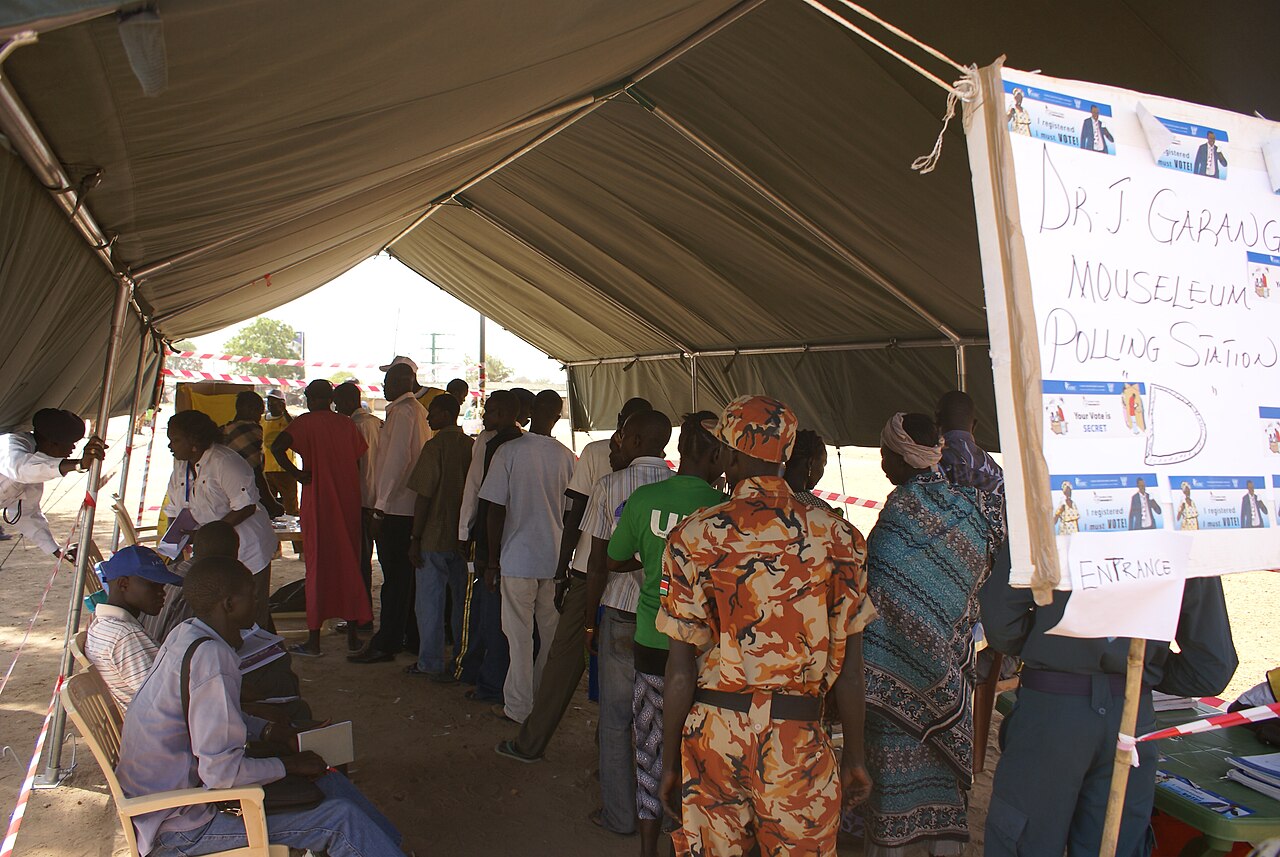
South Sudan's Media Authority announced on Monday, November 9, 2026, that it will summon individuals suspected of distributing false information and hate speech during the ongoing election campaign. Ajou Luol Akuei, head of the state regulatory body, stated that officials have documented ten specific cases spread across five states, including Jonglei, Upper Nile, Unity, Warrap, and Central Equatoria.
The regulatory body is currently verifying the identities of the suspects and the institutions they represent before issuing formal summons. Authorities indicated that potential legal measures could rely on the Penal Code Act 2008, the Cybersecurity Act, the Media Authority Act, and the 2021 Code of Conduct for the Practice of Journalism. In addition to traditional media monitoring, the agency is reviewing strategies to address inflammatory content on unregistered social media platforms alongside a planned public awareness campaign.
No specific suspects have been publicly named, and officials have not specified a timeline for when the summonses will be delivered or if matters will proceed to court. The planned actions highlight regulatory efforts to manage public rhetoric ahead of the country's first general elections since independence in 2011, scheduled by the National Elections Commission for December 22, 2026.
The stakes
The enforcement actions will determine whether state regulatory warnings effectively curb inflammatory rhetoric or if they result in restrictions on legitimate political discourse. Proponents of the measure gain a mechanism to safeguard public order and electoral integrity in a fragile post-conflict state, while critics risk facing government overreach that could stifle opposition voices and free expression.
Two readings
- Supporters read the crackdown as a necessary preventative measure to protect national stability, prevent ethnic violence, and ensure a peaceful electoral process.
- Critics read the enforcement as a potential tool for state censorship, arguing that vague definitions of hate speech and false information could criminalize legitimate political opposition.
Source Rio Times — riotimesonline.com/south-sudan-media-authority-hate-speech-summons/ ↗
Read next
 ✒️Opinion & Analysis
ICJ Rules Myanmar Military Committed Genocide Against Rohingya
The International Court of Justice has found Myanmar's military guilty of genocide against the Rohingya, a ruling that damages the international standing of both Aung San…
 🕯️Democracy & Rights
Chinese teachers face rising parental pressure over personal life choices
Chinese educators are encountering a surge in unreasonable demands from parents, including complaints regarding teachers' pregnancy and maternity leave.
 🛡️War & Security
Ukraine Restricts Media Coverage of Infrastructure Damage Amid Russian Strikes
President Volodymyr Zelenskyy has issued a decree prohibiting media outlets from reporting on the impact of Russian strikes against critical infrastructure and the status…
 🏮China & Taiwan
Beijing Reaffirms Reunification Stance Following Taiwan Local Election Results
China’s Taiwan Affairs Office declared that the island’s reunification with the mainland remains inevitable, despite recent shifts in Taiwan's local political landscape.
 🇪🇺Europe
US Air Force Repels Unauthorized Drone Incursion at RAF Lakenheath
U.S. security forces at a British air base successfully countered a group of unidentified drones, amid growing concerns over potential foreign state involvement.
 ⚖️Law & Policy
India Government Proposes 50% Increase in Parliamentary Seats and Women's Reservation
The Indian government plans to introduce legislation to expand the Lok Sabha to 850 seats and mandate a 33% reservation for women in legislative bodies.