Mauritius Trade Deficit Expands as Rising Fuel Costs Strain National Economy
Mauritius saw its trade deficit widen by 28.5% in September 2026 due to a massive increase in fuel import costs. The central bank has responded with interest rate hikes as economists warn the current trade imbalance is unsustainable.
 🌍Africa
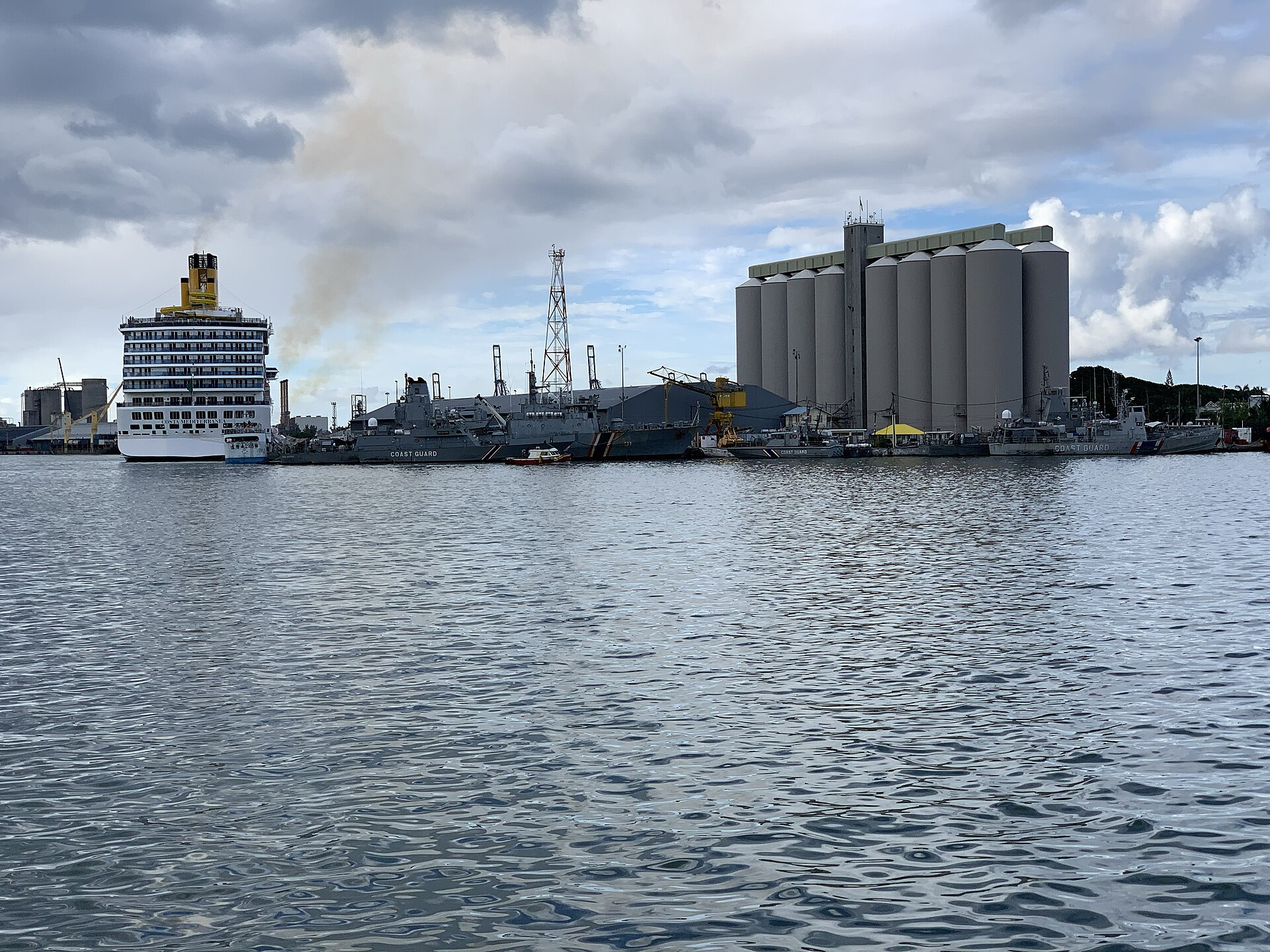
Photo: Rio Times
Key points
- Trade deficit reached Rs 19.666 billion in September 2026.
- Fuel imports accounted for over 34% of total import costs.
- Bank of Mauritius raised interest rates to 5% to combat economic pressure.
The Mauritian government is facing a significant widening of its trade deficit, which reached 19.666 billion rupees (approximately $420 million) in September 2026, driven largely by a surge in mineral fuel imports. According to data from Statistics Mauritius, the gap between goods bought and sold abroad expanded by 28.5% compared to the same period last year, reflecting mounting pressure on the island nation's fiscal stability.
The fuel bill for September alone reached 10.675 billion rupees, accounting for more than 34% of the country’s total imports. Economist Georges Chung described the imbalance as "catastrophic," noting that the nation now exports nearly the equivalent of its entire oil bill. This trend is attributed to higher international energy prices, a weakening currency, and growing fuel consumption, with registered vehicles rising to over 771,000 by late October.
In an effort to manage the economic fallout, the Bank of Mauritius raised its key interest rate to 5% in November. The government also relies on the Price Stabilisation Account to mitigate the impact of global price fluctuations on consumers. While imports are dominated by suppliers in China and India, the country’s export market remains focused on the United Kingdom, South Africa, and Madagascar.
The stakes
The Mauritian government faces a narrowing path for fiscal maneuverability as the cost of essential energy imports threatens to drain foreign reserves. While energy-exporting partners like the United Arab Emirates and Oman benefit from the increased trade flow, the Mauritian administration risks public discontent if the Price Stabilisation Account fails to prevent sharp increases in domestic fuel prices.
Two readings
- Supporters of the administration argue that the deficit is the result of external global market forces and a necessary recovery in trade volumes, noting that the central bank's rate hike demonstrates proactive fiscal management.
- Critics contend that the "unacceptable" trade imbalance reveals a failure to diversify the economy or transition away from fuel dependency, leaving the national budget dangerously exposed to currency depreciation and international price shocks.
Source Rio Times — riotimesonline.com/mauritius-trade-deficit-september-2026-fuel-impo… ↗
Read next
 ✒️Opinion & Analysis
ICJ Rules Myanmar Military Committed Genocide Against Rohingya
The International Court of Justice has found Myanmar's military guilty of genocide against the Rohingya, a ruling that damages the international standing of both Aung San…
 🕯️Democracy & Rights
Chinese teachers face rising parental pressure over personal life choices
Chinese educators are encountering a surge in unreasonable demands from parents, including complaints regarding teachers' pregnancy and maternity leave.
 🛡️War & Security
Ukraine Restricts Media Coverage of Infrastructure Damage Amid Russian Strikes
President Volodymyr Zelenskyy has issued a decree prohibiting media outlets from reporting on the impact of Russian strikes against critical infrastructure and the status…
 🏮China & Taiwan
Beijing Reaffirms Reunification Stance Following Taiwan Local Election Results
China’s Taiwan Affairs Office declared that the island’s reunification with the mainland remains inevitable, despite recent shifts in Taiwan's local political landscape.
 🇪🇺Europe
US Air Force Repels Unauthorized Drone Incursion at RAF Lakenheath
U.S. security forces at a British air base successfully countered a group of unidentified drones, amid growing concerns over potential foreign state involvement.
 ⚖️Law & Policy
India Government Proposes 50% Increase in Parliamentary Seats and Women's Reservation
The Indian government plans to introduce legislation to expand the Lok Sabha to 850 seats and mandate a 33% reservation for women in legislative bodies.