Congo Ebola Outbreak Shifts to Conflict-Hit North Kivu Province
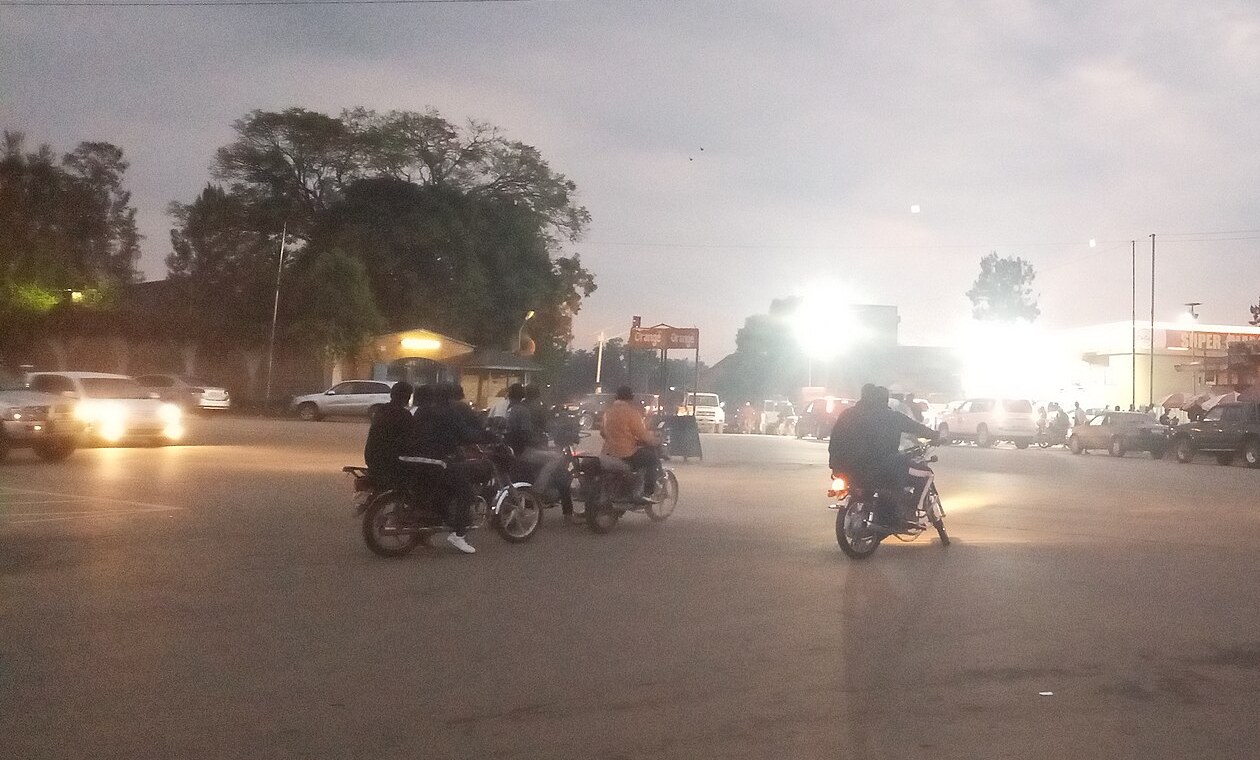
Democratic Republic of Congo Health Minister Roger Kamba announced that the center of gravity for the ongoing Ebola outbreak has shifted to North Kivu, complicating containment efforts in the conflict-ridden eastern border region.
 🌍Africa
Photo: Rio Times
Key points
- Congo health ministry reports Ebola shift to North Kivu
- Armed groups attack medical facilities in conflict zone
- WHO records over 10,600 confirmed cases and 5,198 deaths
Health Minister Roger Kamba briefed the Council of Ministers on Friday, November 6, 2026, stating that North Kivu has overtaken Ituri in generating new case notifications for the Bundibugyo virus outbreak. While Ituri still accounts for 70 percent of cumulative cases since the epidemic began on May 15, it now generates only 37.1 percent of new infections.
The epidemiological shift poses acute governance and security hurdles. North Kivu is an active conflict zone where various armed groups operate, directly threatening medical infrastructure. Local police in Beni reported that unidentified armed individuals attempted to set fire to a treatment center operated by Doctors Without Borders on the same day as the ministerial briefing, leaving petrol-filled containers at the scene.
World Health Organization Director-General Tedros Adhanom Ghebreyesus warned that recurring assaults on health facilities severely undermine the public health response. As of November 3, the WHO recorded 10,668 confirmed cases and 5,198 deaths across eight provinces, resulting in a crude fatality rate of 48.7 percent, even as authorities note that 25 of 58 affected health zones have reported no new infections in over three weeks.
The stakes
The convergence of active armed insurgency and a high-mortality viral epidemic risks total collapse of medical access in eastern Congo, threatening broader regional stability across the borders of Rwanda and Uganda if cross-border transmission accelerates.
Two readings
- Supporters of the government response emphasize that localized declines in over a dozen health zones prove containment strategies retain efficacy despite severe logistical hurdles.
- Critics argue that persistent insecurity and unprotected medical sites demonstrate a failure by authorities to secure health personnel and guarantee safe patient access in conflict areas.
Source Rio Times — riotimesonline.com/congo-ebola-hotspot-shifts-north-kivu-ituri/ ↗
Read next
 ✒️Opinion & Analysis
ICJ Rules Myanmar Military Committed Genocide Against Rohingya
The International Court of Justice has found Myanmar's military guilty of genocide against the Rohingya, a ruling that damages the international standing of both Aung San…
 🕯️Democracy & Rights
Chinese teachers face rising parental pressure over personal life choices
Chinese educators are encountering a surge in unreasonable demands from parents, including complaints regarding teachers' pregnancy and maternity leave.
 🛡️War & Security
Ukraine Restricts Media Coverage of Infrastructure Damage Amid Russian Strikes
President Volodymyr Zelenskyy has issued a decree prohibiting media outlets from reporting on the impact of Russian strikes against critical infrastructure and the status…
 🏮China & Taiwan
Beijing Reaffirms Reunification Stance Following Taiwan Local Election Results
China’s Taiwan Affairs Office declared that the island’s reunification with the mainland remains inevitable, despite recent shifts in Taiwan's local political landscape.
 🇪🇺Europe
US Air Force Repels Unauthorized Drone Incursion at RAF Lakenheath
U.S. security forces at a British air base successfully countered a group of unidentified drones, amid growing concerns over potential foreign state involvement.
 ⚖️Law & Policy
India Government Proposes 50% Increase in Parliamentary Seats and Women's Reservation
The Indian government plans to introduce legislation to expand the Lok Sabha to 850 seats and mandate a 33% reservation for women in legislative bodies.