Mauritania Parliament Backs Prime Minister Mokhtar Ould Djay in Confidence Vote
Mauritania's National Assembly voted 145 to 21 to confirm Prime Minister Mokhtar Ould Djay's second government, resolving a political crisis sparked by utility fires.
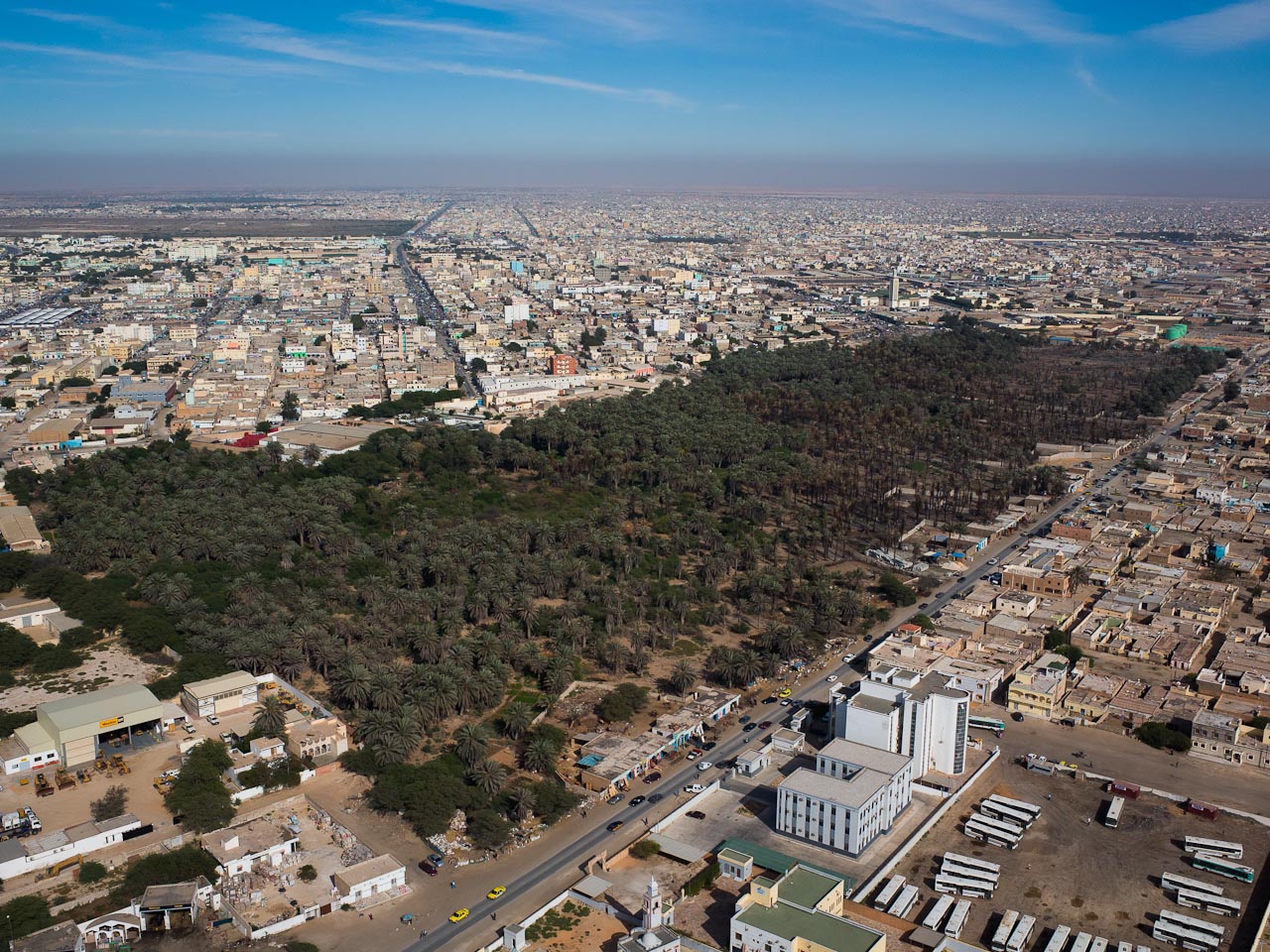 🌍Africa
Photo: Rio Times
Key points
- Mauritania parliament backed PM Mokhtar Ould Djay 145 to 21
- Vote resolves political crisis from August substation fires
- President Ghazouani maintains solid majority in National Assembly
Mauritania’s parliament endorsed Prime Minister Mokhtar Ould Djay’s second government by a 145 to 21 vote with one abstention, concluding a marathon legislative debate that extended into the early hours of Tuesday, 10 November 2026. The ballot resolves a month-long political crisis triggered by the previous cabinet's resignation following severe fires at two substations operated by the state power utility Somelec in the capital, Nouakchott.
The confidence vote followed a general policy presentation delivered by the prime minister on 7 November and a subsequent public debate involving deputies in the 176-seat National Assembly. President Mohamed Ould Cheikh El Ghazouani, whose political allies command a substantial majority in the single-chamber parliament, had immediately reappointed Ould Djay upon the cabinet's resignation. Tuesday's final count among the 167 participating deputies slightly surpassed the 140 votes secured by Ould Djay's initial administration in 2024.
Despite the comfortable legislative margin, the reappointed executive faces immediate pressure to address the underlying infrastructure failures that caused widespread blackouts in Nouakchott. While the administration retained control of its legislative agenda, the public debate and subsequent vote underscore the ongoing domestic challenges confronting the ruling majority as it attempts to stabilize national power services.
The stakes
President Ghazouani's administration gains institutional stability and preserves its legislative dominance, allowing governance and foreign partnerships involving the nation's offshore gas projects to proceed without disruption. Conversely, the opposition and critics register formal discontent over executive handling of public services. If the renewed cabinet fails to resolve the chronic electricity deficits, the administration risks deeper public dissatisfaction ahead of future political tests.
Two readings
- Supporters read the outcome as a clear mandate demonstrating parliamentary stability and institutional continuity under President Ghazouani's leadership.
- Critics view the process as a routine rubber-stamping exercise that fails to address accountability for the utility infrastructure failures.
Source Rio Times — riotimesonline.com/mauritania-parliament-confidence-vote-ould-djay-… ↗
Read next
 ✒️Opinion & Analysis
ICJ Rules Myanmar Military Committed Genocide Against Rohingya
The International Court of Justice has found Myanmar's military guilty of genocide against the Rohingya, a ruling that damages the international standing of both Aung San…
 🕯️Democracy & Rights
Chinese teachers face rising parental pressure over personal life choices
Chinese educators are encountering a surge in unreasonable demands from parents, including complaints regarding teachers' pregnancy and maternity leave.
 🛡️War & Security
Ukraine Restricts Media Coverage of Infrastructure Damage Amid Russian Strikes
President Volodymyr Zelenskyy has issued a decree prohibiting media outlets from reporting on the impact of Russian strikes against critical infrastructure and the status…
 🏮China & Taiwan
Beijing Reaffirms Reunification Stance Following Taiwan Local Election Results
China’s Taiwan Affairs Office declared that the island’s reunification with the mainland remains inevitable, despite recent shifts in Taiwan's local political landscape.
 🇪🇺Europe
US Air Force Repels Unauthorized Drone Incursion at RAF Lakenheath
U.S. security forces at a British air base successfully countered a group of unidentified drones, amid growing concerns over potential foreign state involvement.
 ⚖️Law & Policy
India Government Proposes 50% Increase in Parliamentary Seats and Women's Reservation
The Indian government plans to introduce legislation to expand the Lok Sabha to 850 seats and mandate a 33% reservation for women in legislative bodies.