Nigerian Parliament Investigates US$460 Million Abuja Surveillance Project
Nigeria's House of Representatives has launched a parliamentary inquiry into the status and financing of a US$460 million Chinese-supplied security camera network intended to protect Abuja.
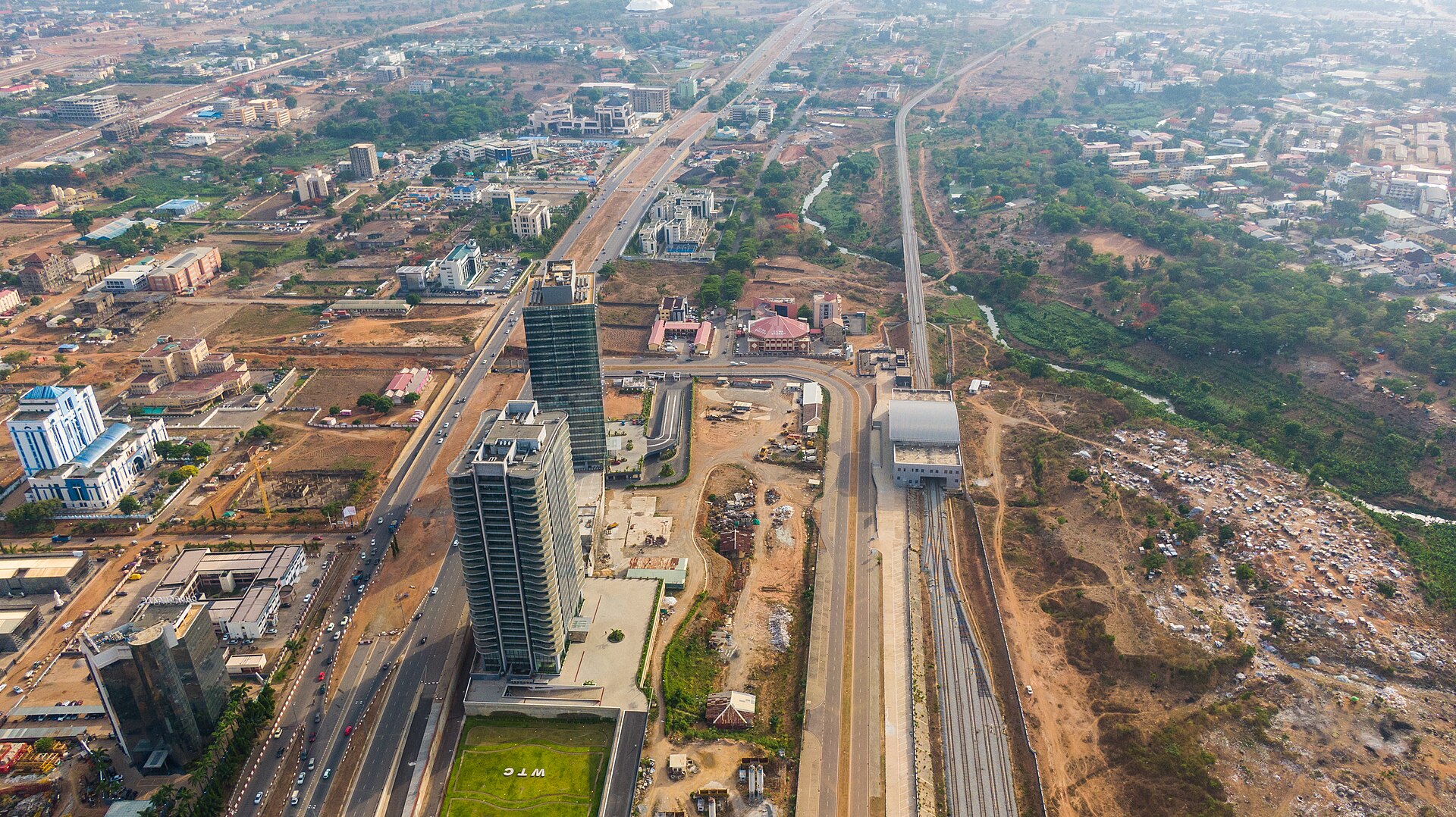 🌍Africa
Photo: Rio Times
Key points
- Nigeria's House of Representatives investigates a US$460M Abuja camera network.
- The project was supplied by ZTE and financed via China Exim Bank loans.
- A 21-member parliamentary committee is auditing the system's operational status and contracts.
Nigeria's House of Representatives has initiated a formal investigation into the National Public Security Communication System, a multi-million dollar closed-circuit television and communications network designed to secure the capital city of Abuja. Following an urgent motion introduced by lawmaker Amobi Ogah, the lower chamber established a 21-member ad hoc committee chaired by Ojogo Kimikanboh to audit the project.
The infrastructure was originally contracted to Chinese telecommunications firm ZTE in August 2010 and backed by financing from the China Exim Bank. While official records and parliamentary accounts vary regarding the exact financial outlay—citing figures between US$460 million and US$470 million for the contract alongside a US$399.5 million loan—financial tracking data indicates substantial public debt remains tied to the initiative despite a lack of verified operational outcomes.
Independent research from the Institute of Development Studies highlights that Nigeria has emerged as Africa's largest consumer of surveillance technology, with billions spent on similar "safe city" contracts over the past decade. The parliamentary committee's current mandate involves reviewing contractual obligations, assessing the technical functionality of the Abuja network, and determining accountability for any operational failures.
The stakes
Nigerian taxpayers and state finances absorb the risk of servicing multi-million-dollar foreign loans for non-functional public infrastructure, while foreign suppliers face heightened scrutiny over past government contracts. If the parliamentary inquiry uncovers systemic failures, it could reshape how Nigeria manages large-scale foreign debt and technology procurement.
Two readings
- Supporters read the investigation as a necessary exercise in legislative oversight and accountability to ensure public funds are not wasted on inactive security projects.
- Critics read the probe as a belated and potentially politicized review that highlights chronic government inefficiencies in managing major foreign-backed initiatives.
Source Rio Times — riotimesonline.com/nigeria-probes-abuja-cctv-camera-scheme-us460-mi… ↗
Read next
 ✒️Opinion & Analysis
ICJ Rules Myanmar Military Committed Genocide Against Rohingya
The International Court of Justice has found Myanmar's military guilty of genocide against the Rohingya, a ruling that damages the international standing of both Aung San…
 🕯️Democracy & Rights
Chinese teachers face rising parental pressure over personal life choices
Chinese educators are encountering a surge in unreasonable demands from parents, including complaints regarding teachers' pregnancy and maternity leave.
 🛡️War & Security
Ukraine Restricts Media Coverage of Infrastructure Damage Amid Russian Strikes
President Volodymyr Zelenskyy has issued a decree prohibiting media outlets from reporting on the impact of Russian strikes against critical infrastructure and the status…
 🏮China & Taiwan
Beijing Reaffirms Reunification Stance Following Taiwan Local Election Results
China’s Taiwan Affairs Office declared that the island’s reunification with the mainland remains inevitable, despite recent shifts in Taiwan's local political landscape.
 🇪🇺Europe
US Air Force Repels Unauthorized Drone Incursion at RAF Lakenheath
U.S. security forces at a British air base successfully countered a group of unidentified drones, amid growing concerns over potential foreign state involvement.
 ⚖️Law & Policy
India Government Proposes 50% Increase in Parliamentary Seats and Women's Reservation
The Indian government plans to introduce legislation to expand the Lok Sabha to 850 seats and mandate a 33% reservation for women in legislative bodies.