Egypt Reopens Embassy in Tripoli to Revitalize Energy Ties with Libya
Egypt has officially reopened its embassy in Tripoli after a 12-year closure, signaling a strategic pivot toward closer energy cooperation with the Libyan government.
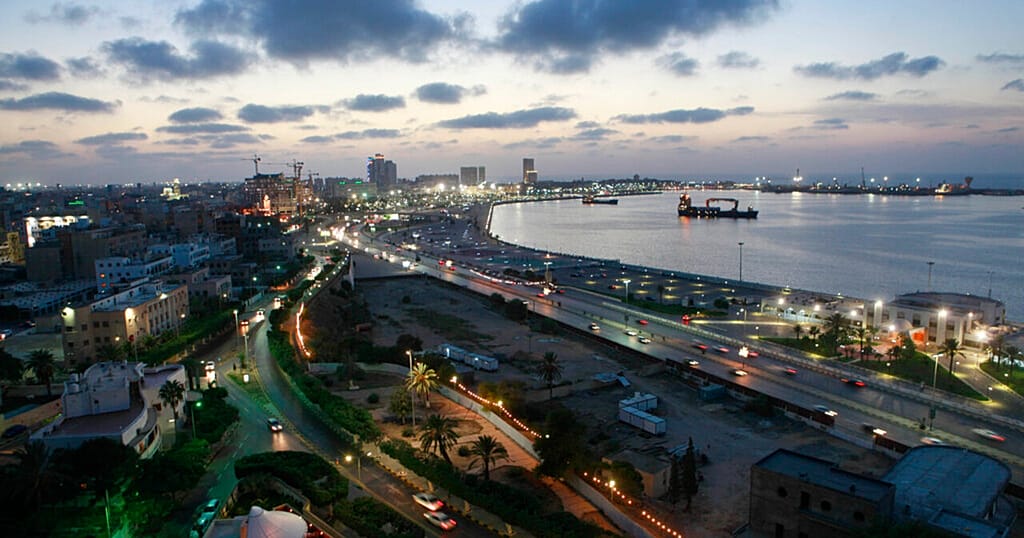 🌍Africa
Photo: Africanews
Key points
- Egypt reopens its Tripoli embassy after a 12-year hiatus.
- Cairo seeks new energy cooperation, including a potential gas pipeline.
- The move marks a strategic pivot away from exclusive support for eastern commander Khalifa Haftar.
Egyptian Foreign Minister Badr Abdelatty presided over the reopening of his nation's embassy in Tripoli on Saturday, marking the first time the mission has been operational since it was shuttered in 2012 following the collapse of the Muammar Gaddafi regime. The move represents a significant shift in Cairo’s regional strategy as it seeks to move past years of political instability and division within the North African neighbor.
While Egypt previously maintained a firm alliance with the eastern-based military commander Khalifa Haftar, the reopening suggests a pragmatic pivot toward the Tripoli-based administration. Abdelatty emphasized that the focus is now on the technical implementation of cross-border energy projects. Key initiatives under discussion include the construction of a natural gas pipeline connecting the two nations and a proposal to refine Libyan oil within Egyptian facilities for international export.
The diplomatic rapprochement also aims to address infrastructure needs, with discussions underway to restore Libya's domestic refineries and re-establish electrical grid connectivity. Cairo’s renewed engagement comes amidst ongoing regional tensions, specifically regarding maritime boundaries and the influence of external powers like Turkey, which has previously signed disputed maritime agreements in the Mediterranean.
The stakes
This diplomatic thaw positions Egypt to secure vital energy resources while providing the Tripoli government with a powerful regional partner. If successful, the energy projects could stabilize Libya’s oil-dependent economy and solidify Egypt's role as a regional hub for gas liquefaction, though the move risks alienating Cairo's former allies in the east.
Two readings
- Supporters view the reopening as a necessary step toward regional stability and economic integration that benefits both nations through shared energy infrastructure.
- Critics argue the shift demonstrates a transactional approach to Libyan politics, potentially complicating the already fragile power-sharing dynamics between the country’s rival administrations.
Source Africanews — africanews.com/2026/11/08/egypt-reopens-embassy-in-libya-as-it-seeks… ↗
Read next
 ✒️Opinion & Analysis
ICJ Rules Myanmar Military Committed Genocide Against Rohingya
The International Court of Justice has found Myanmar's military guilty of genocide against the Rohingya, a ruling that damages the international standing of both Aung San…
 🕯️Democracy & Rights
Chinese teachers face rising parental pressure over personal life choices
Chinese educators are encountering a surge in unreasonable demands from parents, including complaints regarding teachers' pregnancy and maternity leave.
 🛡️War & Security
Ukraine Restricts Media Coverage of Infrastructure Damage Amid Russian Strikes
President Volodymyr Zelenskyy has issued a decree prohibiting media outlets from reporting on the impact of Russian strikes against critical infrastructure and the status…
 🏮China & Taiwan
Beijing Reaffirms Reunification Stance Following Taiwan Local Election Results
China’s Taiwan Affairs Office declared that the island’s reunification with the mainland remains inevitable, despite recent shifts in Taiwan's local political landscape.
 🇪🇺Europe
US Air Force Repels Unauthorized Drone Incursion at RAF Lakenheath
U.S. security forces at a British air base successfully countered a group of unidentified drones, amid growing concerns over potential foreign state involvement.
 ⚖️Law & Policy
India Government Proposes 50% Increase in Parliamentary Seats and Women's Reservation
The Indian government plans to introduce legislation to expand the Lok Sabha to 850 seats and mandate a 33% reservation for women in legislative bodies.