South Africa's Constitutional Court marks three decades of landmark rulings reshaping governance
As South Africa's Constitutional Court marks three decades since its establishment, legal analysts reflect on pivotal rulings that dismantled apartheid-era legal frameworks and established judicial supremacy over parliament.
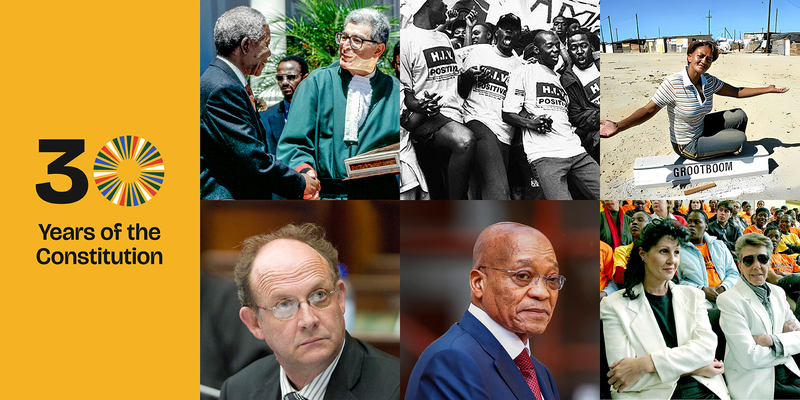 🌍Africa
Photo: Daily Maverick
Key points
- Constitutional Court marks 30 years of shaping South African law and governance.
- The 1995 Makwanyane judgment abolished the death penalty based on human dignity.
- The 2002 Treatment Action Campaign ruling forced state provision of HIV/Aids medication.
Over the past thirty years, the South African Constitutional Court has fundamentally transformed the nation's legal and political landscape by asserting the supremacy of the Constitution over parliamentary authority. Established to safeguard democratic rights, the court has repeatedly intervened in critical disputes, ranging from executive accountability and corruption to fundamental human rights, healthcare access, and criminal justice reform.
Among its most defining moments was the 1995 ruling in S v Makwanyane, which unanimously abolished capital punishment. Led by then-president Arthur Chaskalson, the court held that the death penalty violated the constitutional rights to life and human dignity, breaking decisively with the repressive legal practices of the previous apartheid regime despite strong public support for capital punishment at the time.
Subsequent decades saw the judiciary compel government action on socio-economic rights, most notably in a 2002 ruling involving the Treatment Action Campaign. In that case, the court ordered the state to lift restrictions on the antiretroviral drug nevirapine, significantly expanding healthcare access during the height of the HIV/Aids epidemic and establishing that the state has enforceable obligations regarding public health.
The stakes
The judiciary's authority to overturn legislation and check executive power remains a cornerstone of South Africa's constitutional democracy. If this judicial independence is maintained, citizens retain a powerful recourse against state overreach and policy failures; however, ongoing political tensions regarding court mandates on socio-economic delivery continue to test the boundaries between the branches of government.
Two readings
- Supporters read the court's jurisprudence as an essential safeguard for human rights and democracy, ensuring that marginalized populations have enforceable protections against government inaction and executive abuse.
- Critics sometimes argue that judicial interventions risk encroaching upon the policy-making domains elected officials and the executive branch should properly manage.
Source Daily Maverick — dailymaverick.co.za/article/2026-11-11-from-equal-rights-to-the-dea… ↗
Read next
 ✒️Opinion & Analysis
ICJ Rules Myanmar Military Committed Genocide Against Rohingya
The International Court of Justice has found Myanmar's military guilty of genocide against the Rohingya, a ruling that damages the international standing of both Aung San…
 🕯️Democracy & Rights
Chinese teachers face rising parental pressure over personal life choices
Chinese educators are encountering a surge in unreasonable demands from parents, including complaints regarding teachers' pregnancy and maternity leave.
 🛡️War & Security
Ukraine Restricts Media Coverage of Infrastructure Damage Amid Russian Strikes
President Volodymyr Zelenskyy has issued a decree prohibiting media outlets from reporting on the impact of Russian strikes against critical infrastructure and the status…
 🏮China & Taiwan
Beijing Reaffirms Reunification Stance Following Taiwan Local Election Results
China’s Taiwan Affairs Office declared that the island’s reunification with the mainland remains inevitable, despite recent shifts in Taiwan's local political landscape.
 🇪🇺Europe
US Air Force Repels Unauthorized Drone Incursion at RAF Lakenheath
U.S. security forces at a British air base successfully countered a group of unidentified drones, amid growing concerns over potential foreign state involvement.
 ⚖️Law & Policy
India Government Proposes 50% Increase in Parliamentary Seats and Women's Reservation
The Indian government plans to introduce legislation to expand the Lok Sabha to 850 seats and mandate a 33% reservation for women in legislative bodies.