Guatemala’s Congress Rejects Proposal to Reduce Lawmaker Salaries
Guatemalan lawmakers voted against a motion to cut their monthly salaries, maintaining pay at approximately US$8,640 as they finalized the legislative budget for 2027.
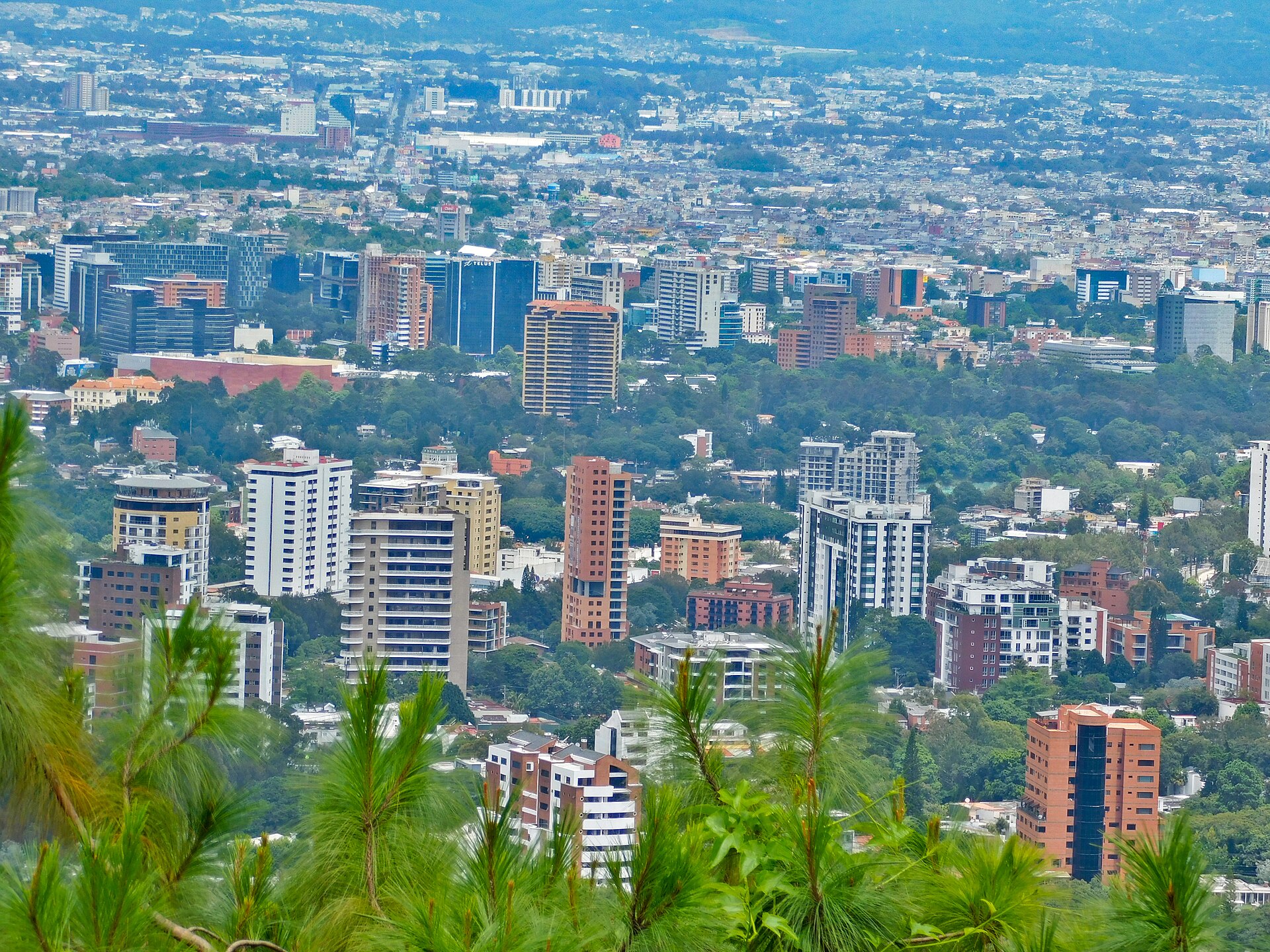 🌎Americas
Photo: Rio Times
Key points
- Guatemalan Congress rejected a motion to cut lawmaker salaries.
- Monthly pay remains at approximately US$8,640.
- The vote occurred as the legislature approved its 2027 internal budget.
Guatemala’s Congress voted on November 3 to maintain the current compensation for its members, rejecting a motion that sought to reduce monthly salaries and trim attendance allowances. The proposal, introduced by the Raíces bloc led by Samuel Pérez, aimed to scrap a 2024 pay increase and eliminate private health insurance benefits funded by taxpayers. The measure failed to secure enough support, with 50 deputies voting against it and 41 in favor.
The decision was formalized alongside Legislative Agreement 24-2026, which outlines the legislature’s internal budget for 2027. This budget, totaling approximately 1.28 billion quetzales (US$167 million), covers salaries, travel, and operational expenses for the chamber. The current pay structure, which totals roughly 66,000 quetzales (US$8,640) per month, includes a base salary of 46,700 quetzales, representation expenses, and additional attendance fees.
The debate over legislative pay has remained a contentious issue since late 2024, when lawmakers linked their compensation to the earnings of appeals-court magistrates. While the Raíces bloc characterized the current pay as excessive, members of the Vamos bloc—the party founded by former president Alejandro Giammattei—defended the existing structure and accused their opponents of political maneuvering. This vote occurs as the country prepares for general elections in 2027, with political parties already beginning to position candidates and define their platforms.
The stakes
The rejection of the pay cut preserves the status quo for current lawmakers, potentially deepening public distrust in the legislative body. As Congress prepares to debate the broader national budget, this decision serves as a flashpoint for political tensions, likely influencing voter sentiment ahead of the 2027 general elections and complicating efforts to pass future legislative reforms.
Two readings
- Supporters of the status quo argue that the current salary structure is appropriate for the responsibilities of the office and reflects established legal standards for public officials.
- Critics, including members of the Raíces bloc, contend that the high pay is an example of legislative excess that ignores the economic realities faced by the general public.
Source Rio Times — riotimesonline.com/guatemala-lawmakers-reject-pay-cut-2027-budget/ ↗
Read next
 ✒️Opinion & Analysis
ICJ Rules Myanmar Military Committed Genocide Against Rohingya
The International Court of Justice has found Myanmar's military guilty of genocide against the Rohingya, a ruling that damages the international standing of both Aung San…
 🕯️Democracy & Rights
Chinese teachers face rising parental pressure over personal life choices
Chinese educators are encountering a surge in unreasonable demands from parents, including complaints regarding teachers' pregnancy and maternity leave.
 🛡️War & Security
Ukraine Restricts Media Coverage of Infrastructure Damage Amid Russian Strikes
President Volodymyr Zelenskyy has issued a decree prohibiting media outlets from reporting on the impact of Russian strikes against critical infrastructure and the status…
 🏮China & Taiwan
Beijing Reaffirms Reunification Stance Following Taiwan Local Election Results
China’s Taiwan Affairs Office declared that the island’s reunification with the mainland remains inevitable, despite recent shifts in Taiwan's local political landscape.
 🇪🇺Europe
US Air Force Repels Unauthorized Drone Incursion at RAF Lakenheath
U.S. security forces at a British air base successfully countered a group of unidentified drones, amid growing concerns over potential foreign state involvement.
 ⚖️Law & Policy
India Government Proposes 50% Increase in Parliamentary Seats and Women's Reservation
The Indian government plans to introduce legislation to expand the Lok Sabha to 850 seats and mandate a 33% reservation for women in legislative bodies.