South African Olympic Official Defends Sports Commission Amid Administrative Turmoil
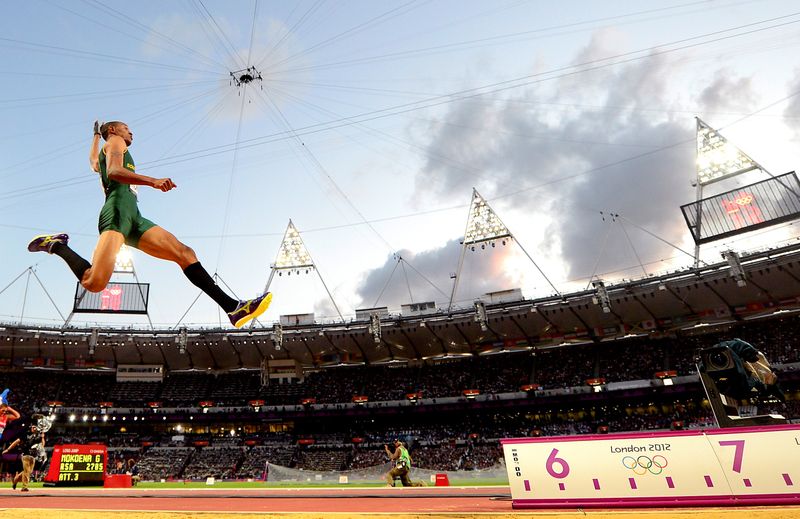
Khotso Mokoena, chair of the Sascoc Athletes Commission, has defended the body's effectiveness following high-profile departures of athletes citing administrative failures.
 🌎Americas
Photo: Daily Maverick
Key points
- Khotso Mokoena defends the Sascoc Athletes Commission against claims of inaction.
- High-profile athletes like Tatjana Smith have left South African representation due to administrative chaos.
- Minister of Sport Gayton McKenzie supports the independence of sports bodies from failing parent organizations.
Khotso Mokoena, the chair of the South African Sports Confederation and Olympic Committee (Sascoc) Athletes Commission, has rejected claims that the organization has failed to support the nation's competitors. The defense follows the departure of prominent athletes, including Olympic swimmer Tatjana Smith and sprinter Benjamin Richardson, who have sought representation through other nations due to ongoing administrative dysfunction within South African sports federations.
Sascoc, the umbrella organization for various national sports federations, has faced significant scrutiny recently, compounded by the suspension of its president, Barry Hendricks, over alleged administrative shortcomings. Mokoena, a four-time Olympian, asserted that the commission has been actively advocating for athlete interests and resources since its 2021 constitution, despite the country's budgetary constraints compared to wealthier nations.
Minister of Sport Gayton McKenzie has openly acknowledged the severity of the institutional instability. During a recent briefing in Cape Town, McKenzie expressed support for sports bodies seeking independence from parent organizations, stating that he could not fault entities for attempting to operate outside of malfunctioning administrative structures.
The stakes
The ongoing administrative crisis risks a talent drain as elite athletes prioritize career longevity over national loyalty. If the governing bodies fail to reform, South Africa faces a potential decline in international competitiveness, while the government's support for breakaway organizations may signal a fundamental shift in how sports are managed and funded in the country.
Two readings
- Supporters of the commission argue that Mokoena and his team are working within a difficult, under-resourced system to protect athlete interests against entrenched bureaucratic failures.
- Critics contend that the commission has been ineffective in addressing systemic maladministration, forcing top-tier athletes to seek citizenship elsewhere to escape professional stagnation.
Source Daily Maverick — dailymaverick.co.za/article/2026-11-18-sa-olympian-khotso-mokoena-d… ↗
Read next
 ✒️Opinion & Analysis
ICJ Rules Myanmar Military Committed Genocide Against Rohingya
The International Court of Justice has found Myanmar's military guilty of genocide against the Rohingya, a ruling that damages the international standing of both Aung San…
 🕯️Democracy & Rights
Chinese teachers face rising parental pressure over personal life choices
Chinese educators are encountering a surge in unreasonable demands from parents, including complaints regarding teachers' pregnancy and maternity leave.
 🛡️War & Security
Ukraine Restricts Media Coverage of Infrastructure Damage Amid Russian Strikes
President Volodymyr Zelenskyy has issued a decree prohibiting media outlets from reporting on the impact of Russian strikes against critical infrastructure and the status…
 🏮China & Taiwan
Beijing Reaffirms Reunification Stance Following Taiwan Local Election Results
China’s Taiwan Affairs Office declared that the island’s reunification with the mainland remains inevitable, despite recent shifts in Taiwan's local political landscape.
 🇪🇺Europe
US Air Force Repels Unauthorized Drone Incursion at RAF Lakenheath
U.S. security forces at a British air base successfully countered a group of unidentified drones, amid growing concerns over potential foreign state involvement.
 ⚖️Law & Policy
India Government Proposes 50% Increase in Parliamentary Seats and Women's Reservation
The Indian government plans to introduce legislation to expand the Lok Sabha to 850 seats and mandate a 33% reservation for women in legislative bodies.