Costa Rica’s National Emergency Commission Approves Flood Reconstruction Plan
The Costa Rican government has finalized a list of priority reconstruction projects following severe flooding caused by tropical waves earlier this year. The initiative targets infrastructure repairs across nine cantons, with a specific focus on restoring water systems.
 🌎Americas
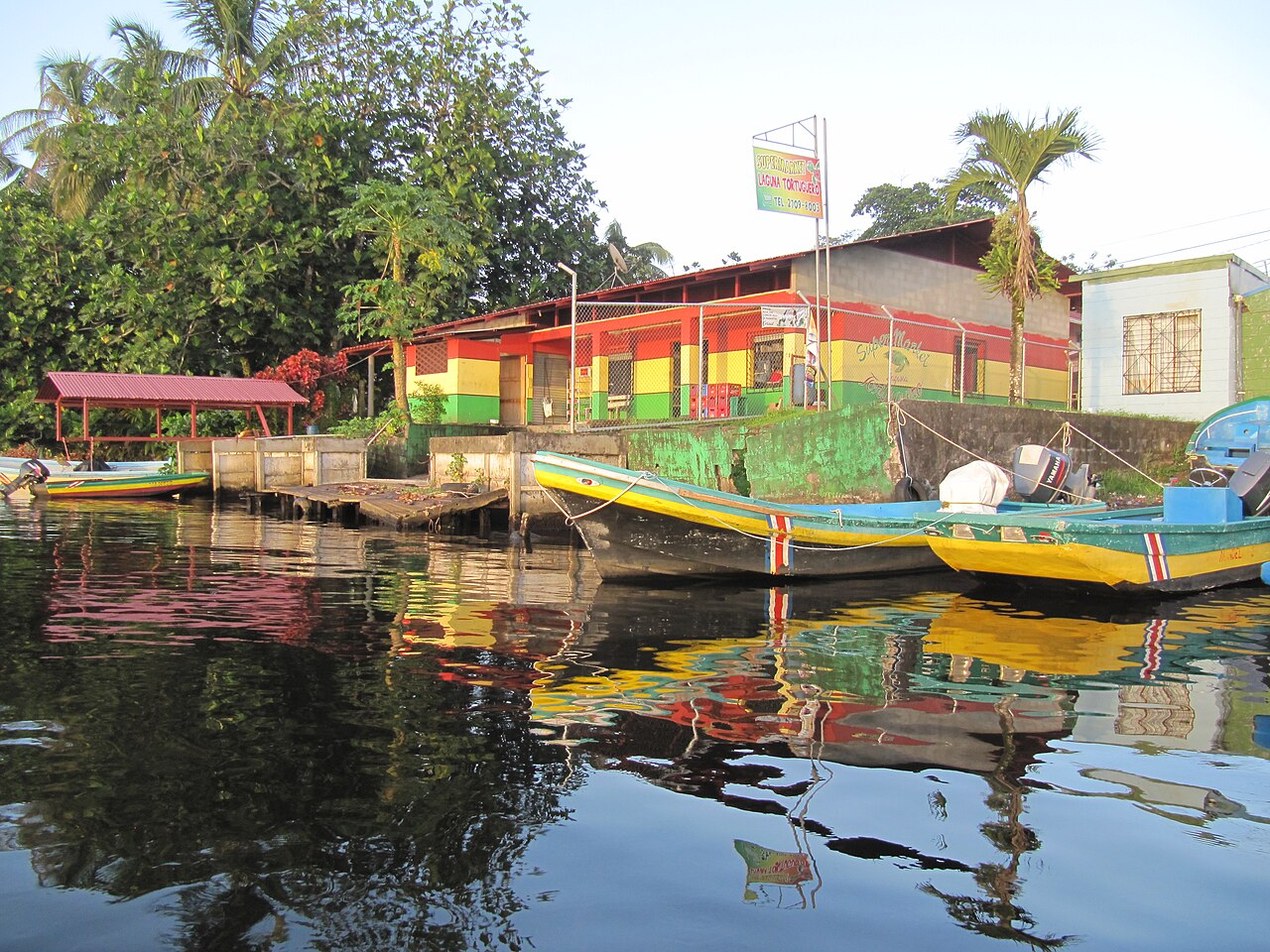
Photo: Rio Times
Key points
- CNE approved a reconstruction plan for nine cantons affected by tropical waves.
- Priority projects include a new water system in Guácimo to replace contaminated artisanal wells.
- Municipalities must submit investment plans immediately to utilize the dry season for construction.
The National Emergency Commission (CNE) of Costa Rica officially approved a General Emergency Plan on November 18, 2026, marking a shift from damage assessment to active infrastructure restoration. This plan addresses the aftermath of eight tropical waves that impacted the country starting in late July, causing significant flooding in nine cantons, including six in the Limón province.
Under the directive, public institutions are now required to submit detailed investment plans to secure funding for specific repairs. A primary focus of this reconstruction effort is the development of a piped water system in Guácimo, where current reliance on artisanal wells poses health risks due to potential flood-related contamination. The state water utility, AyA, has been given a 22-day deadline to present its proposal for this project.
The CNE is urging local municipalities to expedite their investment filings to ensure construction can proceed during the upcoming dry season. While the government has established a framework for urgent procurement and access to the National Emergency Fund, the total budget for the reconstruction remains undisclosed. The initiative follows an emergency decree issued in August that authorized the state to address the three phases of disaster management: response, rehabilitation, and reconstruction.
The stakes
The success of this plan determines whether vulnerable rural communities receive essential infrastructure upgrades, such as clean water access, before the next rainy cycle. While local residents and businesses in affected regions stand to gain from restored public services, the government faces pressure to demonstrate financial transparency and administrative efficiency in managing disaster relief funds.
Two readings
- Supporters view the plan as a necessary, structured approach to disaster recovery that prioritizes public health and long-term infrastructure resilience.
- Critics may point to the lack of a disclosed total budget and the reliance on regional grants as evidence of insufficient state resources to fully address the scale of the damage.
Source Rio Times — riotimesonline.com/costa-rica-approves-flood-repair-plan-nine-canto… ↗
Read next
 ✒️Opinion & Analysis
ICJ Rules Myanmar Military Committed Genocide Against Rohingya
The International Court of Justice has found Myanmar's military guilty of genocide against the Rohingya, a ruling that damages the international standing of both Aung San…
 🕯️Democracy & Rights
Chinese teachers face rising parental pressure over personal life choices
Chinese educators are encountering a surge in unreasonable demands from parents, including complaints regarding teachers' pregnancy and maternity leave.
 🛡️War & Security
Ukraine Restricts Media Coverage of Infrastructure Damage Amid Russian Strikes
President Volodymyr Zelenskyy has issued a decree prohibiting media outlets from reporting on the impact of Russian strikes against critical infrastructure and the status…
 🏮China & Taiwan
Beijing Reaffirms Reunification Stance Following Taiwan Local Election Results
China’s Taiwan Affairs Office declared that the island’s reunification with the mainland remains inevitable, despite recent shifts in Taiwan's local political landscape.
 🇪🇺Europe
US Air Force Repels Unauthorized Drone Incursion at RAF Lakenheath
U.S. security forces at a British air base successfully countered a group of unidentified drones, amid growing concerns over potential foreign state involvement.
 ⚖️Law & Policy
India Government Proposes 50% Increase in Parliamentary Seats and Women's Reservation
The Indian government plans to introduce legislation to expand the Lok Sabha to 850 seats and mandate a 33% reservation for women in legislative bodies.