Mexican Navy Captures Wanted Jalisco Cartel Regional Leader in Zapopan
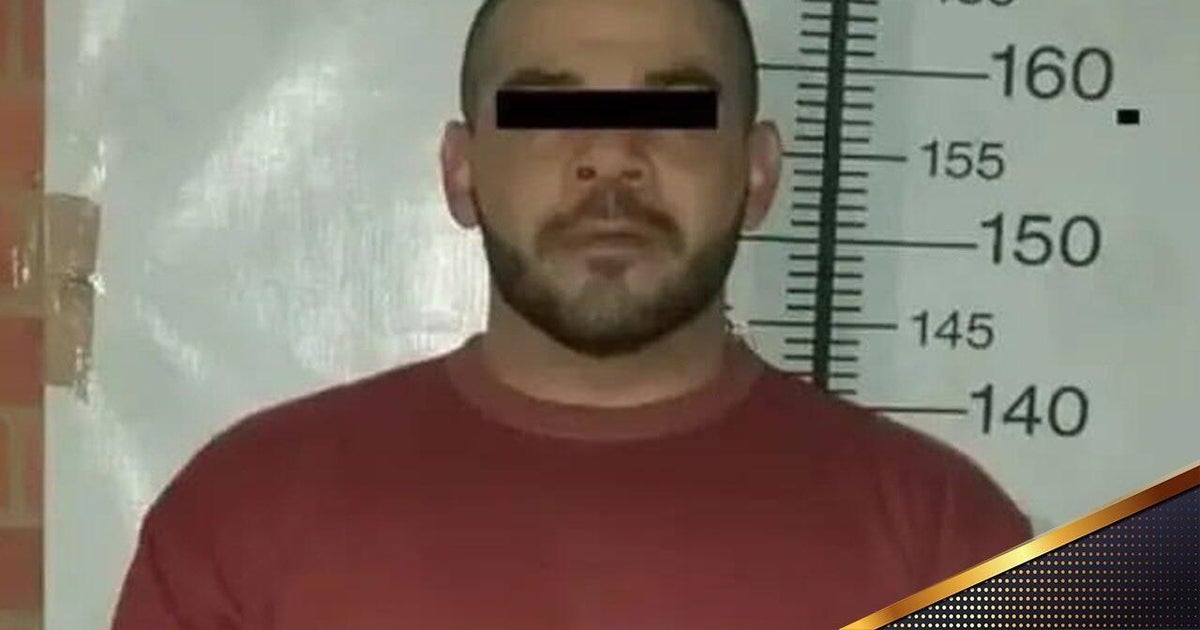
Mexican security forces have arrested Rafael Alvarez, a senior regional leader of the Jalisco New Generation Cartel wanted by the United States on federal drug and firearms charges.
 🌎Americas
Photo: CBS World
Key points
- Rafael Alvarez captured in Zapopan by Mexican navy forces
- Operation conducted with intelligence support from the U.S. DEA
- Suspect linked to homicides, avocado industry extortion, and drug trafficking
Mexican authorities arrested Rafael Alvarez, a high-ranking regional leader of the Jalisco New Generation Cartel, during a targeted operation in Zapopan, Jalisco, according to announcements by national security officials on Sunday. Federal officials stated that Alvarez, widely known by the alias "R2," sustained injuries during a shootout that erupted when security personnel moved in to capture him, and he is currently receiving medical treatment.
Mexico's Security Secretary Omar Garcia Harfuch confirmed that the operation was carried out by the Mexican navy's special operations unit in coordination with public security ministries, following intelligence sharing with the U.S. Drug Enforcement Administration. Alongside Alvarez, security forces detained another 19 individuals. U.S. authorities have indicted Alvarez on federal drug trafficking and weapons charges, while linking him to extortion rings targeting the avocado industry and the assassination of Mayor Carlos Manzo.
The cartel cell led by Alvarez operates across the states of Jalisco and Michoacan and represents a faction of the broader criminal organization designated as a foreign terrorist organization by Washington in 2025. The arrest follows a series of high-profile enforcement actions against the syndicate following the death of its founder earlier this year, including the capture of another senior figure accused of large-scale fuel smuggling.
The stakes
The apprehension impacts the operational capacity of one of Mexico's most powerful criminal syndicates, potentially disrupting local extortion rackets and drug supply chains directed toward the United States. If sustained, bilateral security cooperation yields further leadership decapitations, but risks fracturing the organization into more violent splinter factions.
Two readings
- Supporters read the high-profile arrest as proof of effective bilateral law enforcement coordination and Mexico's firm resolve to dismantle organized crime networks.
- Critics read the ongoing violence and repeated necessity for military interventions as evidence that structural security strategies require deeper systemic reform rather than just targeting individual kingpins.
Source CBS World — cbsnews.com/news/mexico-captures-cjng-cartel-leader-wanted-by-us-de… ↗
Read next
 ✒️Opinion & Analysis
ICJ Rules Myanmar Military Committed Genocide Against Rohingya
The International Court of Justice has found Myanmar's military guilty of genocide against the Rohingya, a ruling that damages the international standing of both Aung San…
 🕯️Democracy & Rights
Chinese teachers face rising parental pressure over personal life choices
Chinese educators are encountering a surge in unreasonable demands from parents, including complaints regarding teachers' pregnancy and maternity leave.
 🛡️War & Security
Ukraine Restricts Media Coverage of Infrastructure Damage Amid Russian Strikes
President Volodymyr Zelenskyy has issued a decree prohibiting media outlets from reporting on the impact of Russian strikes against critical infrastructure and the status…
 🏮China & Taiwan
Beijing Reaffirms Reunification Stance Following Taiwan Local Election Results
China’s Taiwan Affairs Office declared that the island’s reunification with the mainland remains inevitable, despite recent shifts in Taiwan's local political landscape.
 🇪🇺Europe
US Air Force Repels Unauthorized Drone Incursion at RAF Lakenheath
U.S. security forces at a British air base successfully countered a group of unidentified drones, amid growing concerns over potential foreign state involvement.
 ⚖️Law & Policy
India Government Proposes 50% Increase in Parliamentary Seats and Women's Reservation
The Indian government plans to introduce legislation to expand the Lok Sabha to 850 seats and mandate a 33% reservation for women in legislative bodies.