Clandestine Fuel Tunnel Discovered Beneath Mexico City Sinkhole
Authorities in Mexico City uncovered an illegal fuel-theft tunnel while investigating a sinkhole in the Venustiano Carranza borough, amid rising public anger over infrastructure neglect.
 🌎Americas
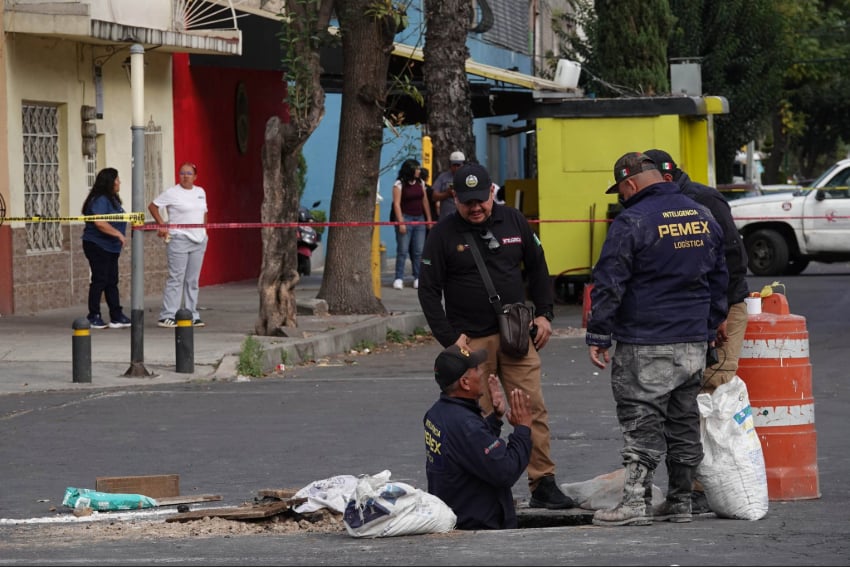
Photo: Mexico News Daily
Key points
- Illegal fuel tunnel found in Mexico City
- Public outrage over infrastructure neglect
- Fatal accident highlights municipal oversight failures
Civil Protection officials in Mexico City discovered a clandestine tunnel used for siphoning fuel from a state-owned Pemex pipeline after investigating a sinkhole that appeared in the Venustiano Carranza borough. The subterranean passage, measuring approximately one meter in height and width, was reinforced with wooden beams and contained a hose connected to valves on Gran Canal Avenue.
The discovery has intensified local scrutiny of municipal maintenance and safety protocols. The incident occurred alongside public outcry following a fatal motorcycle accident in the same borough, where a separate, long-standing sinkhole caused the death of a 39-year-old man and left his teenage son in critical condition. Residents in the Jardín Balbuena neighborhood allege that local authorities ignored repeated warnings about the growing hazard for months.
While the Mexico City government has pledged support to the victims' family and the Prosecutor’s Office has launched an investigation into the fatal accident, officials identified a ruptured drainage pipe as the primary cause of that specific road collapse. Meanwhile, federal workers continue to assess the security implications of the illicit fuel-theft infrastructure found buried beneath the city streets.
The stakes
The discovery exposes the reach of organized criminal networks into urban infrastructure and highlights the political vulnerability of local authorities regarding public safety. If the government fails to address both the proliferation of illegal pipeline taps and the visible decay of city roads, it risks further erosion of public trust and potential legal accountability for negligence in infrastructure management.
Two readings
- Supporters of the government argue that the prompt investigation into the tunnel demonstrates a commitment to dismantling criminal operations and securing critical energy infrastructure.
- Critics contend that the dual incidents reflect systemic administrative failure, accusing officials of prioritizing reactive measures only after fatal accidents occur rather than proactive maintenance.
Source Mexico News Daily — mexiconewsdaily.com/news/mexico-city-sinkhole-fuel-theft-tunnel-venusti… ↗
Read next
 ✒️Opinion & Analysis
ICJ Rules Myanmar Military Committed Genocide Against Rohingya
The International Court of Justice has found Myanmar's military guilty of genocide against the Rohingya, a ruling that damages the international standing of both Aung San…
 🕯️Democracy & Rights
Chinese teachers face rising parental pressure over personal life choices
Chinese educators are encountering a surge in unreasonable demands from parents, including complaints regarding teachers' pregnancy and maternity leave.
 🛡️War & Security
Ukraine Restricts Media Coverage of Infrastructure Damage Amid Russian Strikes
President Volodymyr Zelenskyy has issued a decree prohibiting media outlets from reporting on the impact of Russian strikes against critical infrastructure and the status…
 🏮China & Taiwan
Beijing Reaffirms Reunification Stance Following Taiwan Local Election Results
China’s Taiwan Affairs Office declared that the island’s reunification with the mainland remains inevitable, despite recent shifts in Taiwan's local political landscape.
 🇪🇺Europe
US Air Force Repels Unauthorized Drone Incursion at RAF Lakenheath
U.S. security forces at a British air base successfully countered a group of unidentified drones, amid growing concerns over potential foreign state involvement.
 ⚖️Law & Policy
India Government Proposes 50% Increase in Parliamentary Seats and Women's Reservation
The Indian government plans to introduce legislation to expand the Lok Sabha to 850 seats and mandate a 33% reservation for women in legislative bodies.