US Treasury Clarifies Sanctions Policy for Cuba's Mariel Port
The US Treasury has confirmed that authorized trade may continue through Cuba's Port of Mariel, though specific terminal operators remain under sanctions.
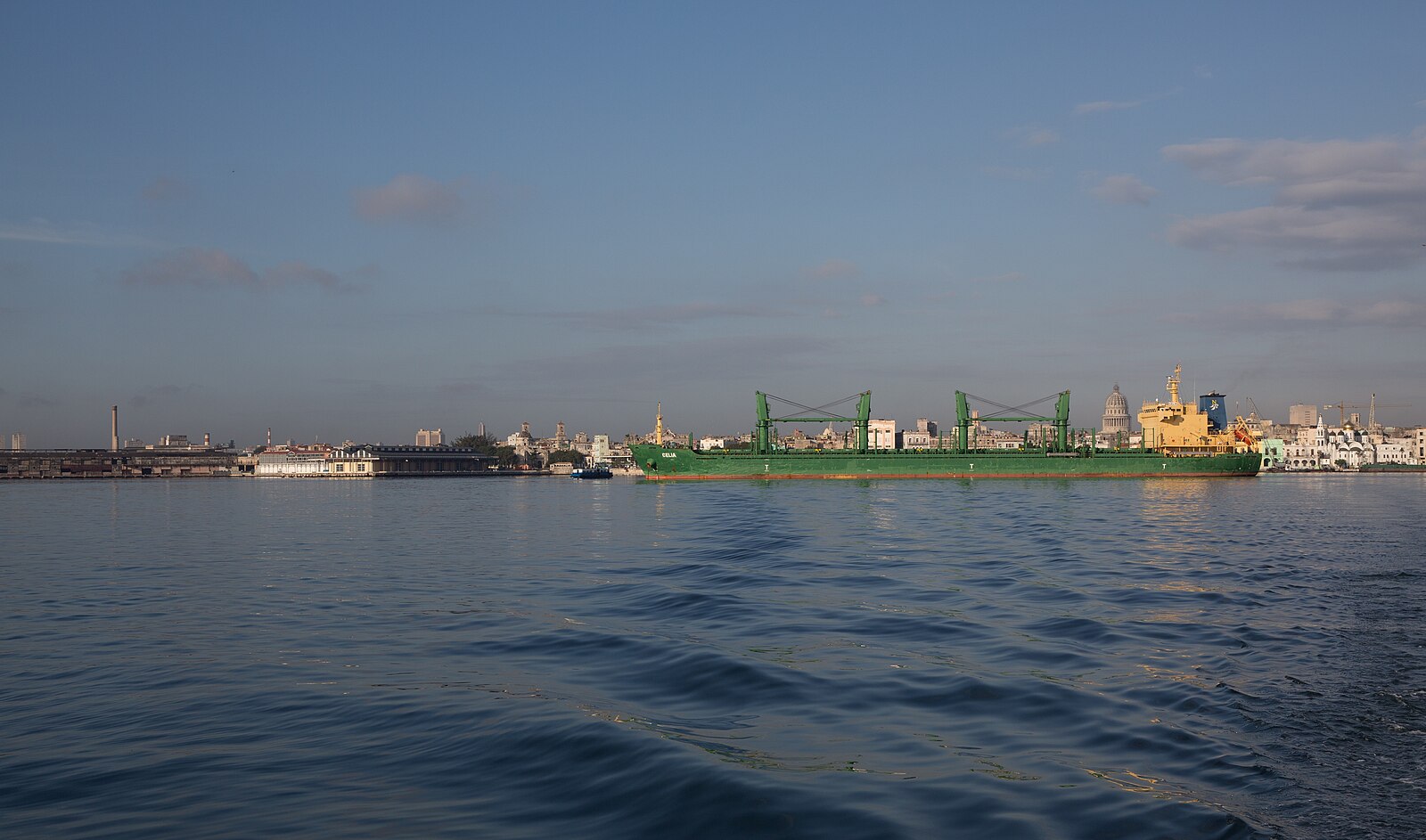 🌎Americas
Photo: Rio Times
Key points
- OFAC confirmed authorized trade can continue at the Port of Mariel.
- Sanctions on Terminal de Contenedores de Mariel and Coral Marítima remain in place.
- Non-US firms face continued risks despite sector-wide clarifications.
The United States Treasury Department has issued guidance clarifying that authorized commercial activities may continue at Cuba’s Port of Mariel. In a statement released on November 20, 2026, the Office of Foreign Assets Control (OFAC) confirmed that individuals and firms operating under existing US Cuba Sanctions Regulations are permitted to conduct business through the facility.
While the guidance provides a measure of certainty for exporters of food, medicine, and medical devices, it maintains a strict boundary regarding the port's management. The sanctions imposed in July 2026 against Terminal de Contenedores de Mariel and Coral Marítima remain in full effect. Consequently, while the port itself is not closed to authorized US trade, firms must navigate the legal landscape carefully to avoid interacting with the blacklisted entities.
For non-US companies, the Treasury noted that operating in Cuba’s marine sector does not automatically trigger sanctions, though significant legal risks persist for those lacking specific exemptions. This clarification follows a period of uncertainty that prompted major international shipping lines, such as CMA CGM and Hapag-Lloyd, to suspend bookings to Cuba earlier this year due to fears of running afoul of US policy.
The stakes
This clarification provides a vital lifeline for authorized humanitarian and agricultural exporters who rely on the Port of Mariel for logistics. While it prevents a total shutdown of essential trade, the continued sanctioning of the terminal operators keeps the shipping sector in a state of high caution, potentially keeping freight costs elevated and discouraging broader international commercial engagement with the island.
Two readings
- Supporters argue that the guidance successfully balances the enforcement of targeted sanctions against specific bad actors while ensuring that essential humanitarian aid and authorized goods can still reach the Cuban population.
- Critics contend that the policy remains overly ambiguous, creating a 'chilling effect' that forces international shipping companies to avoid Cuban ports entirely to mitigate the risk of accidental non-compliance.
Source Rio Times — riotimesonline.com/us-says-authorized-trade-can-use-cuba-mariel-por… ↗
Read next
 ✒️Opinion & Analysis
ICJ Rules Myanmar Military Committed Genocide Against Rohingya
The International Court of Justice has found Myanmar's military guilty of genocide against the Rohingya, a ruling that damages the international standing of both Aung San…
 🕯️Democracy & Rights
Chinese teachers face rising parental pressure over personal life choices
Chinese educators are encountering a surge in unreasonable demands from parents, including complaints regarding teachers' pregnancy and maternity leave.
 🛡️War & Security
Ukraine Restricts Media Coverage of Infrastructure Damage Amid Russian Strikes
President Volodymyr Zelenskyy has issued a decree prohibiting media outlets from reporting on the impact of Russian strikes against critical infrastructure and the status…
 🏮China & Taiwan
Beijing Reaffirms Reunification Stance Following Taiwan Local Election Results
China’s Taiwan Affairs Office declared that the island’s reunification with the mainland remains inevitable, despite recent shifts in Taiwan's local political landscape.
 🇪🇺Europe
US Air Force Repels Unauthorized Drone Incursion at RAF Lakenheath
U.S. security forces at a British air base successfully countered a group of unidentified drones, amid growing concerns over potential foreign state involvement.
 ⚖️Law & Policy
India Government Proposes 50% Increase in Parliamentary Seats and Women's Reservation
The Indian government plans to introduce legislation to expand the Lok Sabha to 850 seats and mandate a 33% reservation for women in legislative bodies.