Venezuelan Iron Workers Strike Over Demands for Higher Year-End Bonuses
Employees at the state-run Ferrominera Orinoco have halted operations to protest a rejected bonus offer, demanding a payout that matches recent industry benchmarks.
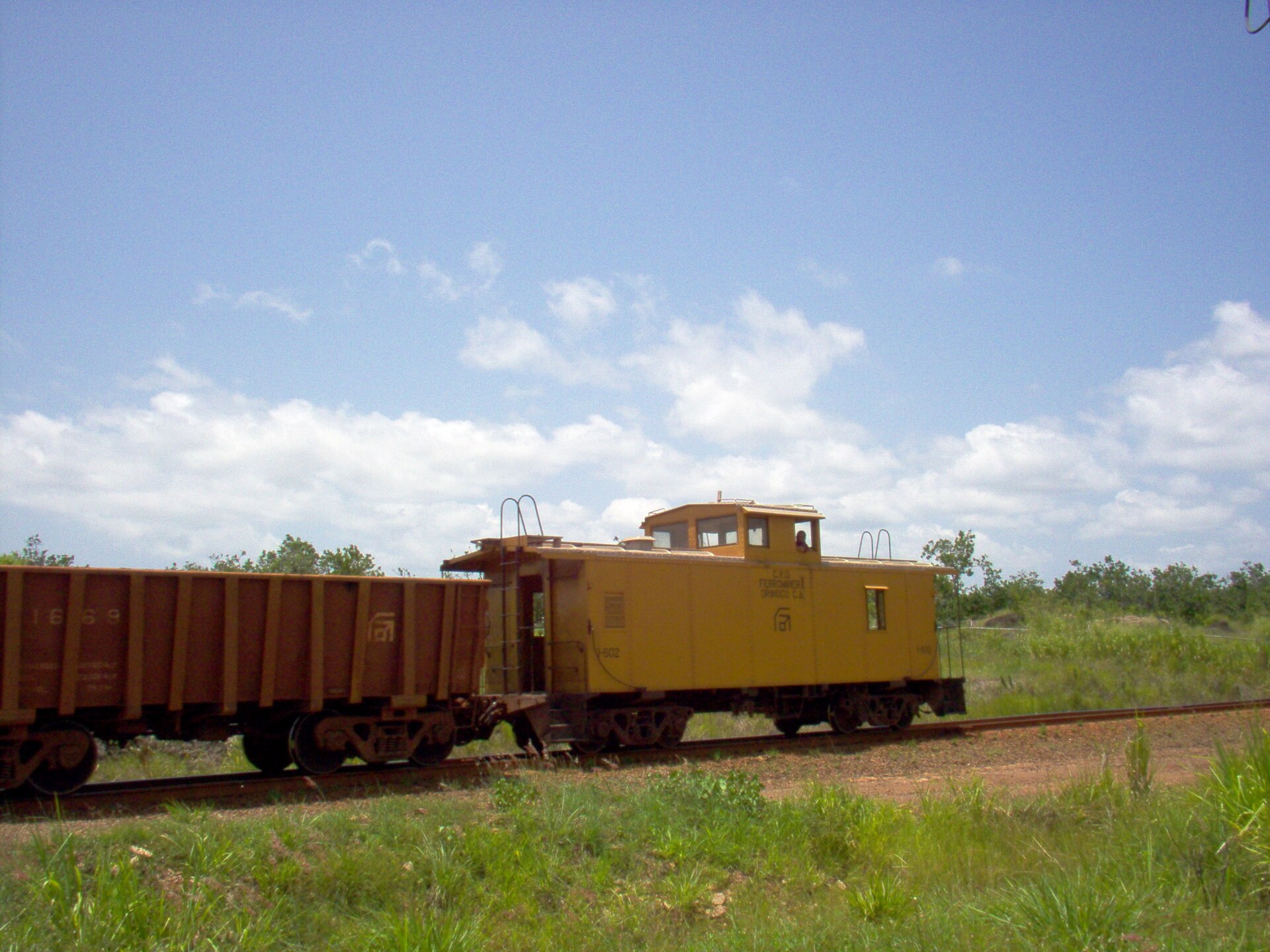 🌎Americas
Photo: Rio Times
Key points
- Ferrominera Orinoco workers halted operations demanding an US$800 year-end bonus.
- Private partner Visco Orinoco's offer of US$400 and a food basket was rejected.
- The protest includes demands for transparency regarding private concession contracts.
Workers at the state-owned iron ore miner Ferrominera Orinoco launched a permanent assembly on Friday, November 27, 2026, effectively halting operations in Bolívar state. The labor action follows the rejection of a proposal from the company's private partner, Visco Orinoco, which offered a US$400 bonus supplemented by a food basket. Employees are demanding a flat payment of US$800 for all active staff, retirees, and pensioners, arguing that current wages fail to keep pace with the rising cost of living.
The dispute centers on the economic disparities within Venezuela’s heavy industry sector. Workers have pointed to recent settlements in other state-run industries, where employees secured profit-sharing deals worth US$1,100, as the standard they expect to be met. Representatives for the workforce noted that the current US$400 offer excludes approximately 40% of the total payroll, including retirees and survivors, which has further fueled the protest.
In addition to the financial demands, the workforce is calling for greater transparency regarding the contractual relationship between the state-run CVG and the private firm Visco Orinoco. Employees have requested access to the operating agreement to better understand the company's obligations toward its staff. As of Friday, no formal agreement had been reached, and workers indicated that the stoppage would continue until a more substantial proposal is presented.
The stakes
The standoff threatens to disrupt production in a critical industrial region of Venezuela. If the company yields to the US$800 demand, it faces a total payout cost of roughly US$4.4 million, potentially setting a precedent for other state-run industrial sectors currently facing similar wage pressures and labor unrest.
Two readings
- Supporters of the strike argue that the current bonus offer is insufficient to meet basic needs and that workers deserve a fair share of the wealth generated by their production.
- Critics of the labor action, including management, may view the demand as economically unsustainable given the company's current financial constraints and the broader instability of the Venezuelan industrial sector.
Source Rio Times — riotimesonline.com/venezuela-ferrominera-iron-miners-stop-work-bonu… ↗
Read next
 ✒️Opinion & Analysis
ICJ Rules Myanmar Military Committed Genocide Against Rohingya
The International Court of Justice has found Myanmar's military guilty of genocide against the Rohingya, a ruling that damages the international standing of both Aung San…
 🕯️Democracy & Rights
Chinese teachers face rising parental pressure over personal life choices
Chinese educators are encountering a surge in unreasonable demands from parents, including complaints regarding teachers' pregnancy and maternity leave.
 🛡️War & Security
Ukraine Restricts Media Coverage of Infrastructure Damage Amid Russian Strikes
President Volodymyr Zelenskyy has issued a decree prohibiting media outlets from reporting on the impact of Russian strikes against critical infrastructure and the status…
 🏮China & Taiwan
Beijing Reaffirms Reunification Stance Following Taiwan Local Election Results
China’s Taiwan Affairs Office declared that the island’s reunification with the mainland remains inevitable, despite recent shifts in Taiwan's local political landscape.
 🇪🇺Europe
US Air Force Repels Unauthorized Drone Incursion at RAF Lakenheath
U.S. security forces at a British air base successfully countered a group of unidentified drones, amid growing concerns over potential foreign state involvement.
 ⚖️Law & Policy
India Government Proposes 50% Increase in Parliamentary Seats and Women's Reservation
The Indian government plans to introduce legislation to expand the Lok Sabha to 850 seats and mandate a 33% reservation for women in legislative bodies.