US Deportations Threaten Rural Guatemalan Communities Stricken by Severe Drought
Ramped-up United States deportations under Donald Trump are cutting off vital economic lifelines for rural Indigenous families in Guatemala who are fleeing extreme climate conditions.
 🌎Americas
Photo: Guardian World
Key points
- Drought destroys subsistence farming in Guatemala's Dry Corridor
- US deportations cut off crucial remittances for rural families
- Climate displacement grows as local water and food shortages worsen
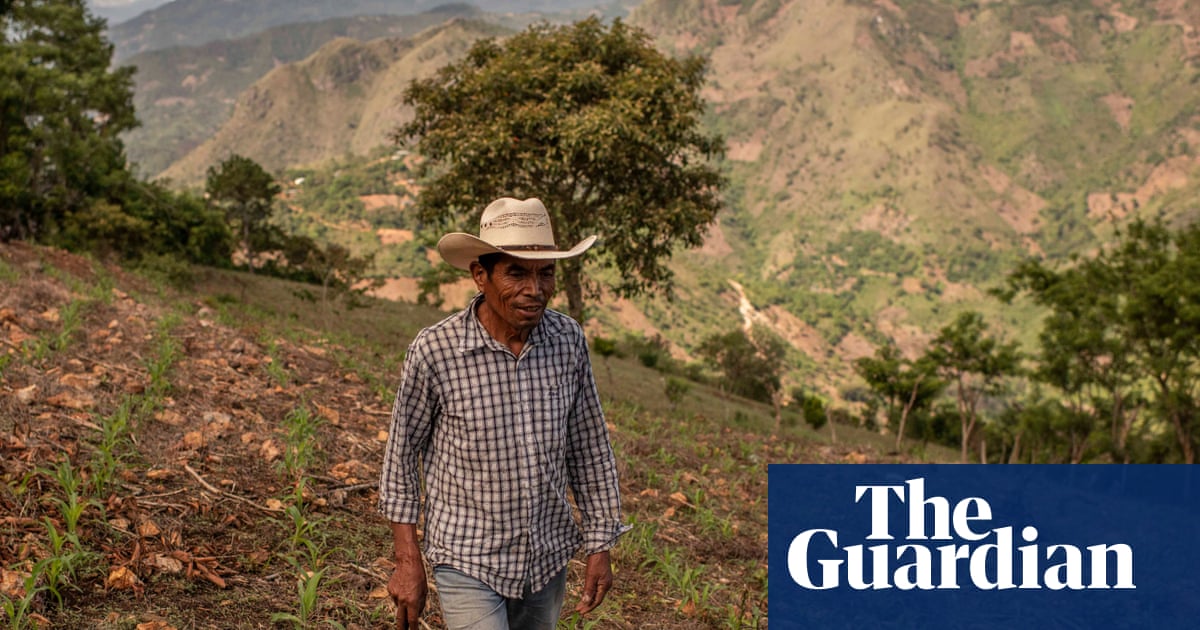
Rural communities in Guatemala's Dry Corridor are facing deepening economic and humanitarian distress as intensifying droughts destroy local agriculture and United States deportation policies restrict migration options. In the Indigenous Maya Ch’orti’ village of Caparrosa, erratic rainfall has left maize fields severely parunted and subsistence farmers without harvests, forcing many families into deep food insecurity.
For over a decade, failed seasonal rains and prolonged dry spells have devastated traditional farming across Central America, making Guatemala one of the nations most vulnerable to climate disruption. With two-thirds of the population projected to face water shortages by 2050, thousands of residents have previously taken out loans or pawned ancestral land to finance long journeys northward to find employment and support starving relatives.
However, renewed efforts by the administration of Donald Trump to ramp up deportations have severed remittances for households relying on family members working abroad. Without local agricultural labor opportunities or viable migration routes, vulnerable communities find themselves with increasingly limited resources to survive ongoing ecological collapse.
The stakes
If deportations continue alongside worsening environmental conditions, rural households in Central America will experience heightened famine and economic collapse, while migration pressures on regional borders persist. Supporters of stricter enforcement argue that sovereign nations must uphold border security and lawful immigration processes, whereas critics contend that these hardline policies ignore the humanitarian realities of climate-induced displacement and worsen poverty.
Two readings
- Supporters view border enforcement as a necessary measure to maintain national sovereignty and regulate immigration in accordance with federal law.
- Critics argue that increased deportations abandon vulnerable populations facing climate emergencies caused largely by global emissions.
Source Guardian World — theguardian.com/world/2026/nov/28/guatemala-climate-crisis-trump-de… ↗
Read next
 ✒️Opinion & Analysis
ICJ Rules Myanmar Military Committed Genocide Against Rohingya
The International Court of Justice has found Myanmar's military guilty of genocide against the Rohingya, a ruling that damages the international standing of both Aung San…
 🕯️Democracy & Rights
Chinese teachers face rising parental pressure over personal life choices
Chinese educators are encountering a surge in unreasonable demands from parents, including complaints regarding teachers' pregnancy and maternity leave.
 🛡️War & Security
Ukraine Restricts Media Coverage of Infrastructure Damage Amid Russian Strikes
President Volodymyr Zelenskyy has issued a decree prohibiting media outlets from reporting on the impact of Russian strikes against critical infrastructure and the status…
 🏮China & Taiwan
Beijing Reaffirms Reunification Stance Following Taiwan Local Election Results
China’s Taiwan Affairs Office declared that the island’s reunification with the mainland remains inevitable, despite recent shifts in Taiwan's local political landscape.
 🇪🇺Europe
US Air Force Repels Unauthorized Drone Incursion at RAF Lakenheath
U.S. security forces at a British air base successfully countered a group of unidentified drones, amid growing concerns over potential foreign state involvement.
 ⚖️Law & Policy
India Government Proposes 50% Increase in Parliamentary Seats and Women's Reservation
The Indian government plans to introduce legislation to expand the Lok Sabha to 850 seats and mandate a 33% reservation for women in legislative bodies.