Haitian Political Grouping Solèy Criticizes Election Process but Stays in Race
The Haitian political grouping Solèy has raised concerns over administrative delays and transparency in the national electoral process, while confirming its intention to remain in the upcoming race.
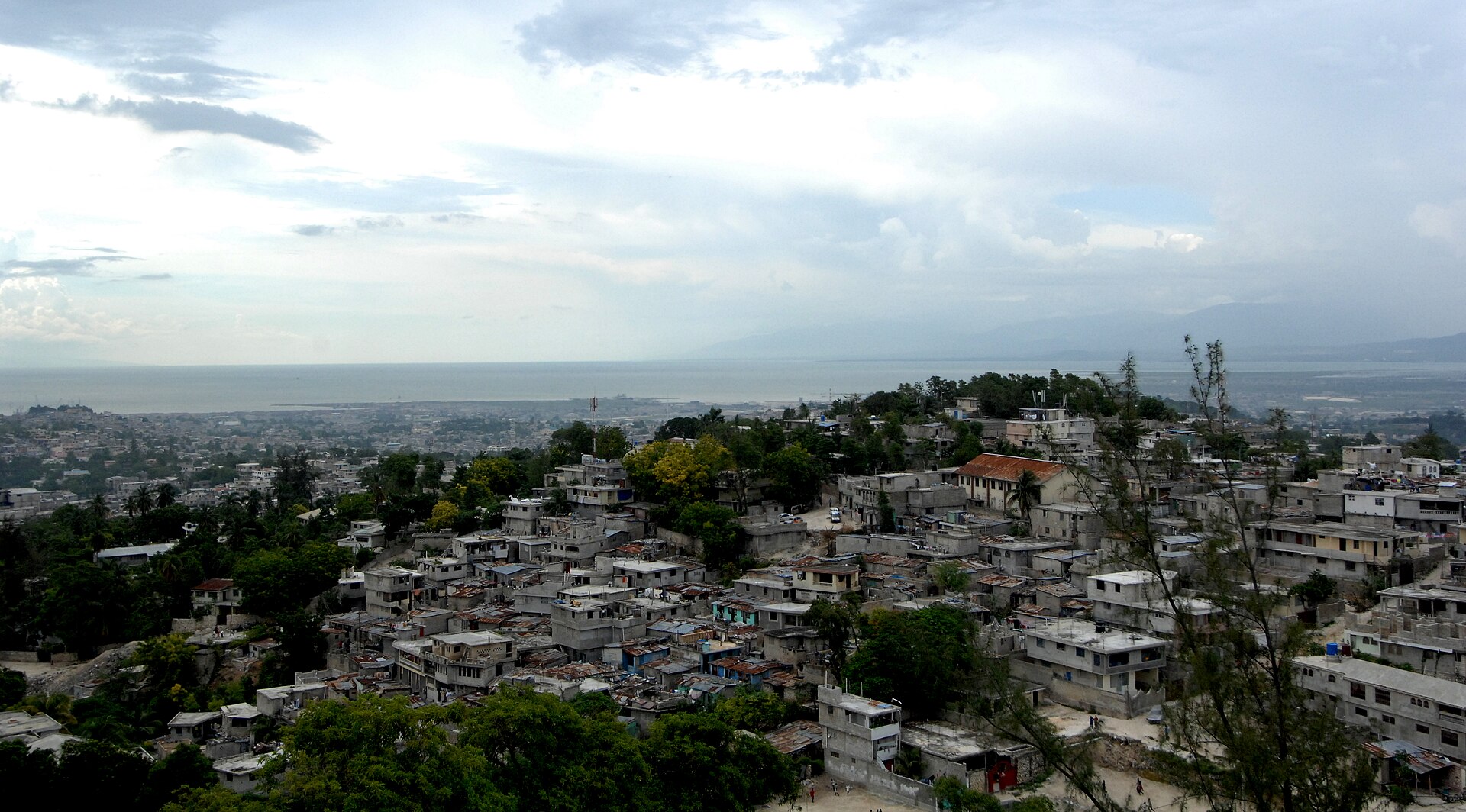 🌎Americas
Photo: Rio Times
Key points
- Solèy coordinator Wadner Édouard criticizes the CEP and government over election administration.
- Candidates face lengthy delays for police certificates and missing application forms in regional departments.
- The first round of presidential and legislative elections is now set for July 18, 2027.
Wadner Édouard, coordinator of the Solèy political grouping, announced that his alliance will remain in the national electoral contest despite what he described as severe flaws in the organization of the vote. Speaking through local media reports, Édouard criticized both the Provisional Electoral Council (CEP) and the government, pointing to administrative missteps that have cast doubt over the legitimacy of the process.
Among the primary grievances highlighted by the Solèy coordinator are significant bureaucratic bottlenecks required for candidacy. Candidates must secure a police certificate from the Central Directorate of the Judicial Police, a document that Édouard claims has kept some hopefuls waiting for up to two months. Additionally, he reported that official application forms have been entirely unavailable for nearly a month in regional departments including Nord-Ouest and Nippes.
The electoral calendar, updated by the CEP on October 28, 2026, reschedules the first round of presidential and legislative voting to July 18, 2027, with a run-off scheduled for October 4, 2027. This timetable pushes back the previously planned December 2026 election date, extending a political vacuum that has persisted since the assassination of president Jovenel Moïse in July 2021.
The stakes
A credible electoral cycle is crucial for international partners like Washington and foreign donors seeking a legitimate government to partner with on regional security, aid, and migration management. Prolonged delays and basic administrative hurdles highlight the acute fragility of Haiti's democratic institutions, leaving long-term governance questions unresolved.
Two readings
- Supporters view Solèy's decision to stay in the race as a pragmatic commitment to democratic participation and a necessary challenge to administrative incompetence from within the system.
- Critics and skeptics argue that continuing to engage with an electoral framework plagued by missing paperwork and severe delays risks lending legitimacy to a fundamentally flawed process.
Source Rio Times — riotimesonline.com/haiti-bloc-doubts-vote-but-keeps-running/ ↗
Read next
 ✒️Opinion & Analysis
ICJ Rules Myanmar Military Committed Genocide Against Rohingya
The International Court of Justice has found Myanmar's military guilty of genocide against the Rohingya, a ruling that damages the international standing of both Aung San…
 🕯️Democracy & Rights
Chinese teachers face rising parental pressure over personal life choices
Chinese educators are encountering a surge in unreasonable demands from parents, including complaints regarding teachers' pregnancy and maternity leave.
 🛡️War & Security
Ukraine Restricts Media Coverage of Infrastructure Damage Amid Russian Strikes
President Volodymyr Zelenskyy has issued a decree prohibiting media outlets from reporting on the impact of Russian strikes against critical infrastructure and the status…
 🏮China & Taiwan
Beijing Reaffirms Reunification Stance Following Taiwan Local Election Results
China’s Taiwan Affairs Office declared that the island’s reunification with the mainland remains inevitable, despite recent shifts in Taiwan's local political landscape.
 🇪🇺Europe
US Air Force Repels Unauthorized Drone Incursion at RAF Lakenheath
U.S. security forces at a British air base successfully countered a group of unidentified drones, amid growing concerns over potential foreign state involvement.
 ⚖️Law & Policy
India Government Proposes 50% Increase in Parliamentary Seats and Women's Reservation
The Indian government plans to introduce legislation to expand the Lok Sabha to 850 seats and mandate a 33% reservation for women in legislative bodies.