Jamaica to Release 114 Iguanas in Milestone for State Conservation Policy
Jamaica’s National Environment and Planning Agency marks 30 years of its recovery program with a significant release of the critically endangered rock iguana.
 🌎Americas
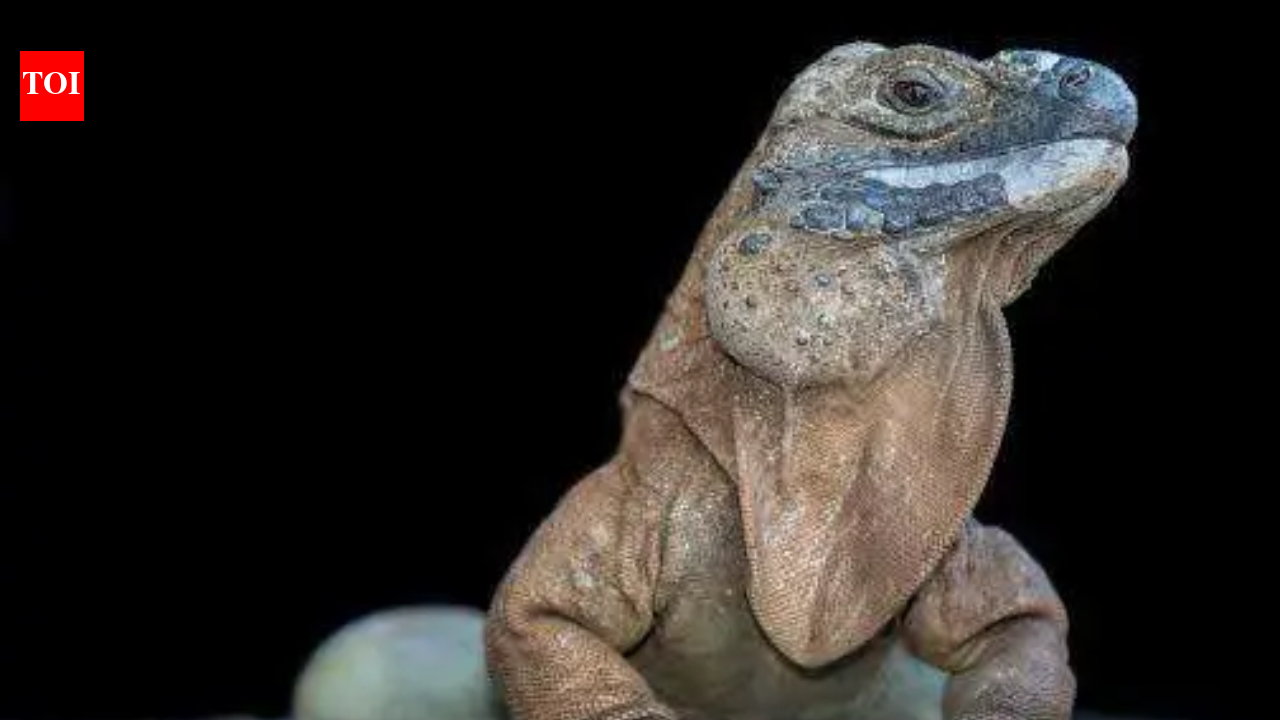
Photo: Times of India
Key points
- NEPA will release 114 Jamaican rock iguanas on November 14.
- The species population has recovered from fewer than 50 individuals in 1990.
- The 30-year program utilized captive rearing, predator control, and habitat safeguards.
The National Environment and Planning Agency (NEPA) of Jamaica is scheduled to release 114 Jamaican rock iguanas into their natural habitat on November 14. This operation marks a major milestone for the government’s long-standing environmental recovery program, which has spent more than 30 years attempting to pull the species back from the brink of extinction.
The program’s success is measured against the dire conditions of 1990, when the iguana population was estimated to consist of fewer than 50 individuals. To reverse this trend, the state implemented a comprehensive strategy that combined captive rearing—often referred to as "head-starting"—with rigorous predator control and the enforcement of habitat safeguards.
With this upcoming release, the total number of iguanas returned to their natural environment will approach 1,000. The initiative highlights the role of institutional persistence in environmental governance, as the agency has maintained these specialized conservation protocols across multiple decades and administrations.
The stakes
The success of this program validates the Jamaican government's long-term investment in biodiversity as a pillar of national environmental policy. However, the gains remain vulnerable to shifts in land-use priority or budget reallocations, as the iguanas require permanent, state-protected zones to survive without further human intervention.
Two readings
- Supporters argue that the program is a global gold standard for state-led conservation, demonstrating that even critically endangered species can be recovered through disciplined agency coordination and scientific management.
- Critics suggest that while the biological recovery is a success, the reliance on intensive human intervention indicates that the state has yet to achieve a truly self-sustaining natural ecosystem for the species.
Source Times of India — timesofindia.indiatimes.com/science/nature/a-rare-jamaican-iguana-was-o… ↗
Read next
 ✒️Opinion & Analysis
ICJ Rules Myanmar Military Committed Genocide Against Rohingya
The International Court of Justice has found Myanmar's military guilty of genocide against the Rohingya, a ruling that damages the international standing of both Aung San…
 🕯️Democracy & Rights
Chinese teachers face rising parental pressure over personal life choices
Chinese educators are encountering a surge in unreasonable demands from parents, including complaints regarding teachers' pregnancy and maternity leave.
 🛡️War & Security
Ukraine Restricts Media Coverage of Infrastructure Damage Amid Russian Strikes
President Volodymyr Zelenskyy has issued a decree prohibiting media outlets from reporting on the impact of Russian strikes against critical infrastructure and the status…
 🏮China & Taiwan
Beijing Reaffirms Reunification Stance Following Taiwan Local Election Results
China’s Taiwan Affairs Office declared that the island’s reunification with the mainland remains inevitable, despite recent shifts in Taiwan's local political landscape.
 🇪🇺Europe
US Air Force Repels Unauthorized Drone Incursion at RAF Lakenheath
U.S. security forces at a British air base successfully countered a group of unidentified drones, amid growing concerns over potential foreign state involvement.
 ⚖️Law & Policy
India Government Proposes 50% Increase in Parliamentary Seats and Women's Reservation
The Indian government plans to introduce legislation to expand the Lok Sabha to 850 seats and mandate a 33% reservation for women in legislative bodies.