Pope Leo XIV Pledges Enhanced Protections After Meeting Abuse Victims in Argentina
During a tour of South America, the Pope met with survivors of clerical abuse to discuss institutional healing and accountability.
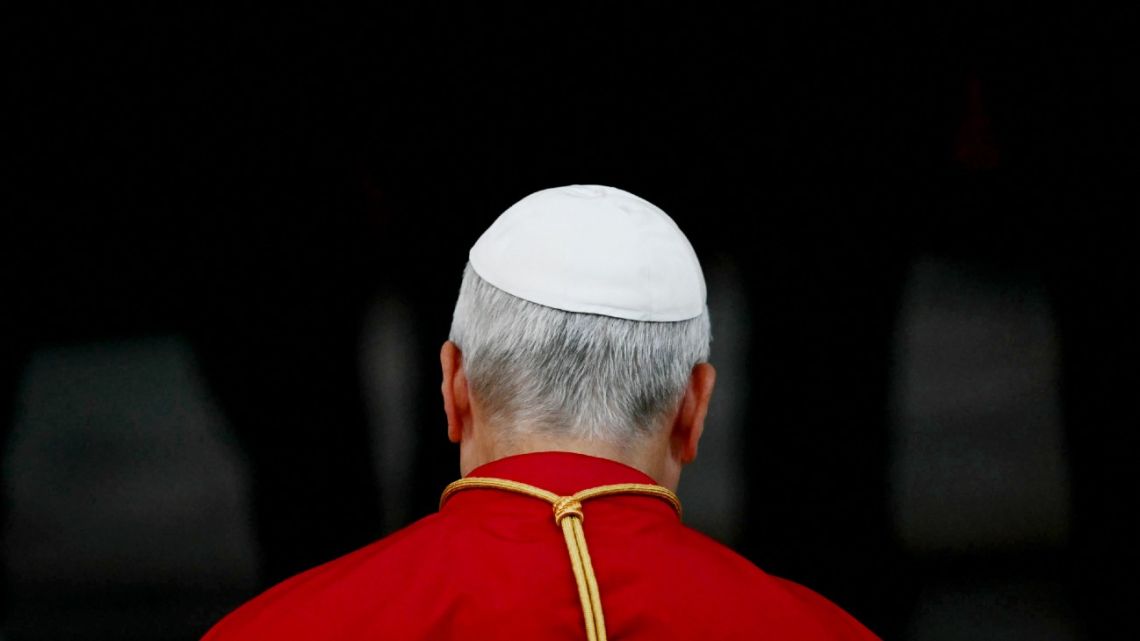 🌎Americas
Photo: Buenos Aires Times
Key points
- Pope Leo XIV held individual meetings with five clerical abuse survivors in Argentina.
- The pontiff promised to strengthen protection and support measures within the Church.
- Survivor networks in Argentina continue to criticize the Church for failing to uphold 'zero tolerance' policies.
Pope Leo XIV met with five survivors of clerical sexual abuse in Argentina on Monday, pledging to bolster the Catholic Church's protective frameworks and accountability measures. The private sessions, held during the pontiff’s tour of South America, involved individual discussions where victims shared their personal experiences and proposed reforms for institutional healing.
The Vatican confirmed that the Pope expressed a commitment to improving protective measures and support systems for those harmed by members of the clergy. While the specific details regarding the timing and locations of the abuse were not made public, the participants represented survivors who suffered within various Argentine religious institutions.
This engagement occurs against a backdrop of mounting pressure from survivor advocacy groups in Argentina. These networks have frequently criticized the Church for failing to implement its stated "zero tolerance" policy effectively, pointing to a history of systemic cover-ups that have impacted the institution's standing both regionally and globally.
The stakes
The credibility of the Catholic Church’s global reform agenda depends on its ability to move beyond symbolic meetings toward enforceable transparency. For regional leaders, the Pope’s handling of these cases influences the moral authority of the Church in public policy and social discourse. Failure to deliver on these promises risks further alienating the laity and intensifying legal pressure on religious institutions to cooperate more fully with secular judicial authorities.
Two readings
- Supporters view the meetings as a vital step in pastoral healing and a sign that the papacy is prioritizing the voices of the marginalized to drive genuine institutional reform.
- Critics argue that private audiences without concrete legal or disciplinary consequences for perpetrators serve primarily as public relations exercises to deflect from systemic failures.
Source Buenos Aires Times — batimes.com.ar/news/argentina/pope-meets-five-clerical-abuse-victim… ↗
Read next
 ✒️Opinion & Analysis
ICJ Rules Myanmar Military Committed Genocide Against Rohingya
The International Court of Justice has found Myanmar's military guilty of genocide against the Rohingya, a ruling that damages the international standing of both Aung San…
 🕯️Democracy & Rights
Chinese teachers face rising parental pressure over personal life choices
Chinese educators are encountering a surge in unreasonable demands from parents, including complaints regarding teachers' pregnancy and maternity leave.
 🛡️War & Security
Ukraine Restricts Media Coverage of Infrastructure Damage Amid Russian Strikes
President Volodymyr Zelenskyy has issued a decree prohibiting media outlets from reporting on the impact of Russian strikes against critical infrastructure and the status…
 🏮China & Taiwan
Beijing Reaffirms Reunification Stance Following Taiwan Local Election Results
China’s Taiwan Affairs Office declared that the island’s reunification with the mainland remains inevitable, despite recent shifts in Taiwan's local political landscape.
 🇪🇺Europe
US Air Force Repels Unauthorized Drone Incursion at RAF Lakenheath
U.S. security forces at a British air base successfully countered a group of unidentified drones, amid growing concerns over potential foreign state involvement.
 ⚖️Law & Policy
India Government Proposes 50% Increase in Parliamentary Seats and Women's Reservation
The Indian government plans to introduce legislation to expand the Lok Sabha to 850 seats and mandate a 33% reservation for women in legislative bodies.