Haiti Electoral Authorities Launch Initiative to Boost Female Political Participation
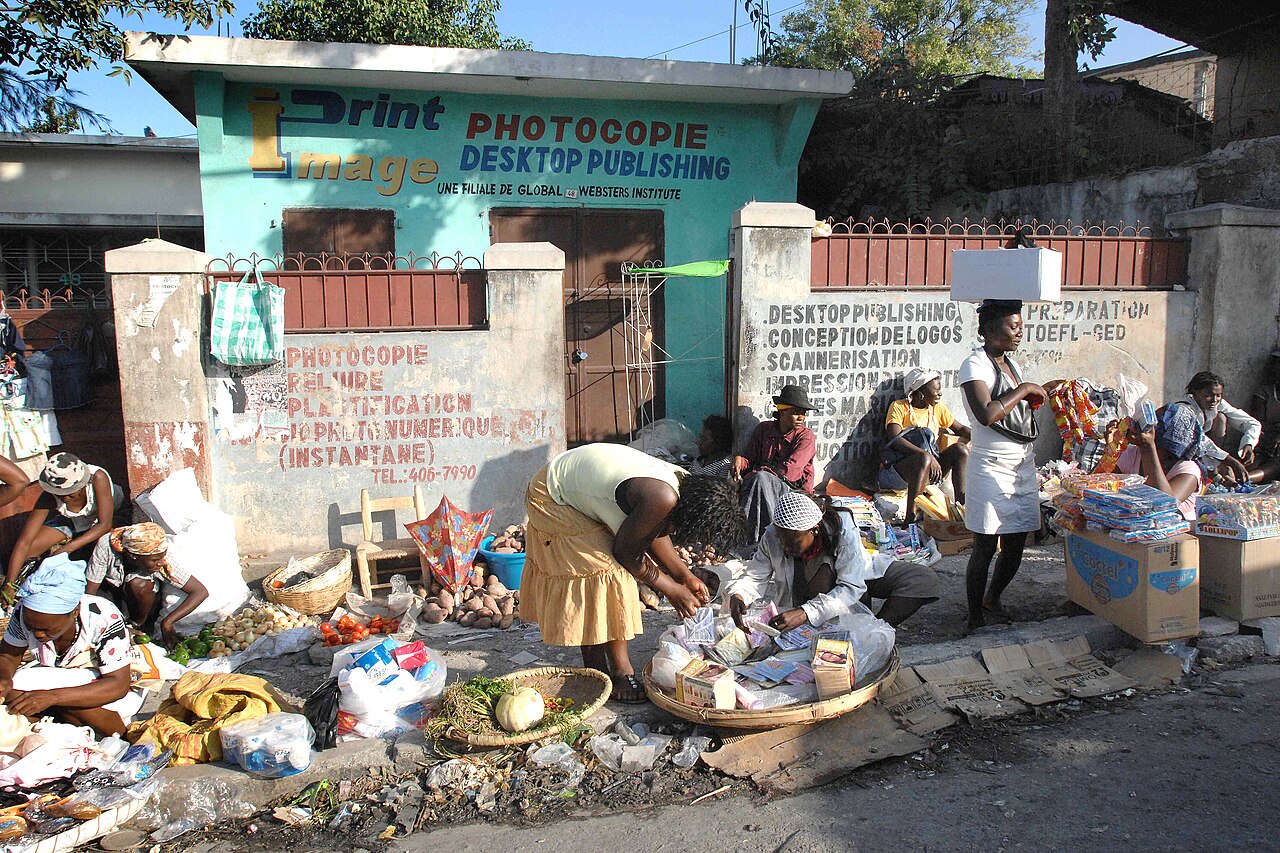
Haiti’s election commission and the Ministry for Women’s Affairs have introduced a new strategy to increase female representation ahead of the 2027 national elections.
 🌎Americas
Photo: Rio Times
Key points
- Haiti launched a mobilization strategy to increase female participation in the July 2027 national elections.
- The initiative aims to meet a constitutional 30% quota for women in public office.
- UN agencies are supporting the CEP and the Ministry for Women’s Affairs in this effort.
Haiti’s Provisional Electoral Council (CEP) and the Ministry for Women’s Affairs and Women’s Rights (MCFDF) have launched a new initiative aimed at increasing the participation of women in the country’s upcoming national elections. The strategy, unveiled on November 9, 2026, at an event in Pétion-Ville, operates under the slogan “Pa gen demokrasi san fanm,” which translates to “no democracy without women.”
The initiative seeks to ensure effective female involvement throughout the electoral cycle, which is currently scheduled to culminate in a first round of presidential and legislative voting on July 18, 2027. This push aligns with constitutional requirements mandating that at least 30% of public office positions be held by women. Despite these legal provisions, recent data indicates that women held only 22.22% of government roles as of late 2025.
Representatives from the United Nations, including UN Women and the UN Integrated Office in Haiti, participated in the launch. Previous draft electoral decrees have proposed enforcement mechanisms, such as the rejection of candidate lists failing to meet the 30% quota and the provision of additional funding for political parties that prioritize gender inclusion.
The stakes
The success of this initiative serves as a critical litmus test for the legitimacy and inclusivity of Haiti’s first national elections in a decade. If the 30% quota is strictly enforced, it could significantly alter the composition of the next government; if it fails, the country risks further alienation from international donors and democratic observers who view gender equity as a benchmark for political stability.
Two readings
- Supporters argue that the quota system is a necessary corrective measure to dismantle systemic barriers and ensure the government reflects the country's demographic reality.
- Critics suggest that without robust enforcement mechanisms, the strategy remains symbolic and may struggle to overcome the entrenched political obstacles facing female candidates in Haiti.
Source Rio Times — riotimesonline.com/haiti-election-council-ministry-launch-women-par… ↗
Read next
 ✒️Opinion & Analysis
ICJ Rules Myanmar Military Committed Genocide Against Rohingya
The International Court of Justice has found Myanmar's military guilty of genocide against the Rohingya, a ruling that damages the international standing of both Aung San…
 🕯️Democracy & Rights
Chinese teachers face rising parental pressure over personal life choices
Chinese educators are encountering a surge in unreasonable demands from parents, including complaints regarding teachers' pregnancy and maternity leave.
 🛡️War & Security
Ukraine Restricts Media Coverage of Infrastructure Damage Amid Russian Strikes
President Volodymyr Zelenskyy has issued a decree prohibiting media outlets from reporting on the impact of Russian strikes against critical infrastructure and the status…
 🏮China & Taiwan
Beijing Reaffirms Reunification Stance Following Taiwan Local Election Results
China’s Taiwan Affairs Office declared that the island’s reunification with the mainland remains inevitable, despite recent shifts in Taiwan's local political landscape.
 🇪🇺Europe
US Air Force Repels Unauthorized Drone Incursion at RAF Lakenheath
U.S. security forces at a British air base successfully countered a group of unidentified drones, amid growing concerns over potential foreign state involvement.
 ⚖️Law & Policy
India Government Proposes 50% Increase in Parliamentary Seats and Women's Reservation
The Indian government plans to introduce legislation to expand the Lok Sabha to 850 seats and mandate a 33% reservation for women in legislative bodies.