Chile’s Administrative Structure and Regional Economic Disparities
Chile’s administrative landscape is defined by 16 distinct regions, with significant political and economic power concentrated in the Santiago Metropolitan area.
 🌎Americas
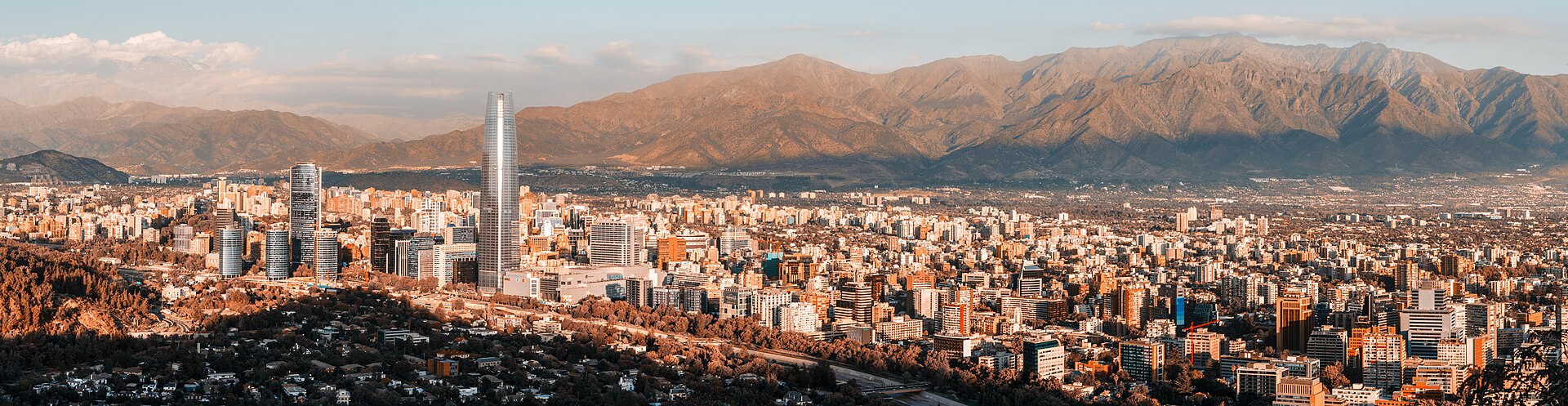
Photo: Rio Times
Key points
- Chile consists of 16 administrative regions with high population density in the Santiago Metropolitan area.
- Mining, particularly copper, accounts for nearly 60% of national goods exports, primarily from northern regions.
- Administrative power is highly centralized, with the capital hosting the government, stock exchange, and major corporate offices.
Chile is divided into 16 administrative regions, stretching from the arid northern deserts to the southern Patagonian wilderness. According to 2024 census data from the National Statistics Institute, the nation’s population of over 18.4 million is heavily concentrated in the Santiago Metropolitan Region, which accounts for approximately 40% of all residents. This centralization extends beyond demographics, as the capital serves as the primary hub for government, finance, and corporate headquarters.
Economic output is similarly uneven, with the mining sector serving as the backbone of the national economy. In 2025, mining accounted for 59.1% of Chile's total goods exports, valued at US$107 billion. The northern regions, particularly Antofagasta, host the country’s most significant copper operations, including the world’s largest mine, Escondida. While these regions drive export revenue, the central region of Valparaíso maintains political significance by hosting the national Congress.
The administrative map remains subject to change, with the most recent addition being the Ñuble region, established in 2018. Beyond political and economic concerns, the regions face distinct environmental challenges, ranging from high seismic activity along the Nazca plate boundary to significant wildfire risks in the central territories. These factors necessitate robust national disaster management strategies, such as the large-scale earthquake drills coordinated by the national service, Senapred.
The stakes
The concentration of resources and population in the Santiago Metropolitan Region creates an ongoing tension between central authority and regional autonomy. If the current administrative structure persists, the northern regions will remain the primary drivers of national wealth through mining, while the capital will continue to dictate political and economic policy, potentially fueling demands for further regional decentralization.
Two readings
- Supporters argue that a centralized administrative model ensures national stability and efficient resource management for a country with diverse geographic and economic needs.
- Critics contend that the extreme concentration of power in Santiago marginalizes the needs of remote regions and prevents local governments from effectively managing their own economic and social development.
Source Rio Times — riotimesonline.com/chile-regions-explained-2026/ ↗
Read next
 ✒️Opinion & Analysis
ICJ Rules Myanmar Military Committed Genocide Against Rohingya
The International Court of Justice has found Myanmar's military guilty of genocide against the Rohingya, a ruling that damages the international standing of both Aung San…
 🕯️Democracy & Rights
Chinese teachers face rising parental pressure over personal life choices
Chinese educators are encountering a surge in unreasonable demands from parents, including complaints regarding teachers' pregnancy and maternity leave.
 🛡️War & Security
Ukraine Restricts Media Coverage of Infrastructure Damage Amid Russian Strikes
President Volodymyr Zelenskyy has issued a decree prohibiting media outlets from reporting on the impact of Russian strikes against critical infrastructure and the status…
 🏮China & Taiwan
Beijing Reaffirms Reunification Stance Following Taiwan Local Election Results
China’s Taiwan Affairs Office declared that the island’s reunification with the mainland remains inevitable, despite recent shifts in Taiwan's local political landscape.
 🇪🇺Europe
US Air Force Repels Unauthorized Drone Incursion at RAF Lakenheath
U.S. security forces at a British air base successfully countered a group of unidentified drones, amid growing concerns over potential foreign state involvement.
 ⚖️Law & Policy
India Government Proposes 50% Increase in Parliamentary Seats and Women's Reservation
The Indian government plans to introduce legislation to expand the Lok Sabha to 850 seats and mandate a 33% reservation for women in legislative bodies.