EU Institutions Face Severe Staff Shortages Amid Declining Northern European Applicants
European Union institutions are struggling with a severe demographic imbalance as applications from northern European member states plummet due to more lucrative domestic job markets.
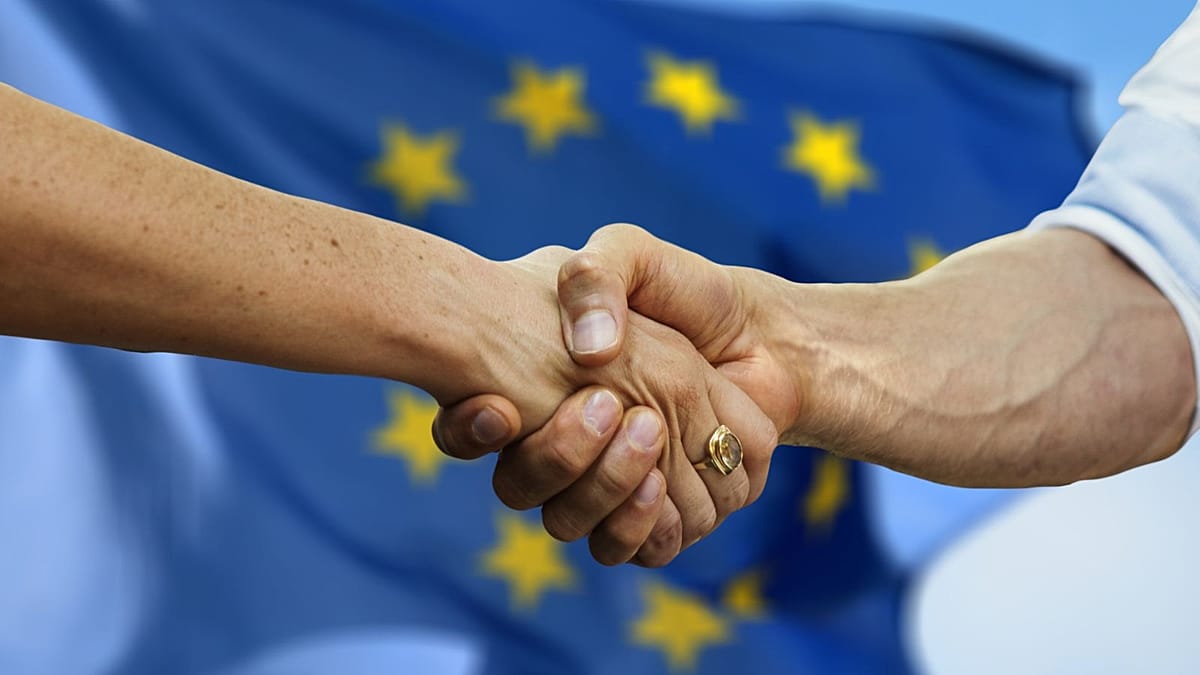 🧠Daily Briefing
Photo: Euronews
Key points
- Only 1,370 German and 380 Dutch nationals hold European Commission administrator posts.
- Italy produced nearly 80,000 applicants for the 2026 EPSO competition, compared to 11,699 from Germany.
- Robust domestic labor markets and higher starting salaries in northern Europe make EU careers less attractive.
European Union institutions face a widening geographical imbalance as northern European graduates increasingly shun careers in Brussels, leaving key administrative posts significantly underrepresented. Out of roughly 33,000 administrator positions within the European Commission, only 1,370 are held by German nationals and a mere 380 by Dutch citizens, while Sweden, Denmark, and Finland each account for fewer than 300 officials. Data from the European Personnel Selection Office (EPSO) highlights the growing divide: the 2026 AD5 generalist competition attracted nearly 80,000 applicants from Italy, contrasted with just 11,699 from Germany and fewer than 1,000 from Denmark.
German European People's Party MEP Monika Hohlmeier argued that EU salaries often fail to compete with national remuneration packages, pointing out that graduate employment rates exceed 90% in Germany, the Netherlands, and Sweden. Strong private-sector opportunities in engineering, finance, and technology offer starting gross salaries reaching up to €70,000 annually, alongside attractive national public-sector alternatives featuring job security and robust civil service benefits. By comparison, newly recruited EU officials at the AD5 level receive starting net monthly pay ranging from approximately €4,749 to €5,734 with allowances, which fails to offset the costs of relocating, lengthy selection procedures, and uncertain hiring timelines.
Conversely, southern European nations experience much higher graduate unemployment and stagnant wage growth, making EU institutions an appealing career haven. According to Eurostat figures for 2025, graduate employment sat at 71.8% in Italy and 62.4% in Greece, driving a high volume of applicants from the region.
The stakes
If current trends continue, the administrative capacity and cultural diversity of European institutions will skew heavily toward southern and eastern member states, potentially undermining the institutional representation and institutional legitimacy of northern capitals within Brussels policymaking.
Two readings
- Supporters read the story as: A clear warning that EU compensation packages and recruitment bureaucracy must be modernized and aligned with northern European labor market realities to attract top-tier talent.
- Critics read the story as: An overemphasis on national quotas that overlooks how southern European overrepresentation simply reflects healthy regional utilization of EU employment opportunities amid domestic economic stagnation.
Source Euronews — euronews.com/2026/11/12/why-are-northern-europeans-snubbing-epso-an… ↗
Read next
 ✒️Opinion & Analysis
ICJ Rules Myanmar Military Committed Genocide Against Rohingya
The International Court of Justice has found Myanmar's military guilty of genocide against the Rohingya, a ruling that damages the international standing of both Aung San…
 🕯️Democracy & Rights
Chinese teachers face rising parental pressure over personal life choices
Chinese educators are encountering a surge in unreasonable demands from parents, including complaints regarding teachers' pregnancy and maternity leave.
 🛡️War & Security
Ukraine Restricts Media Coverage of Infrastructure Damage Amid Russian Strikes
President Volodymyr Zelenskyy has issued a decree prohibiting media outlets from reporting on the impact of Russian strikes against critical infrastructure and the status…
 🏮China & Taiwan
Beijing Reaffirms Reunification Stance Following Taiwan Local Election Results
China’s Taiwan Affairs Office declared that the island’s reunification with the mainland remains inevitable, despite recent shifts in Taiwan's local political landscape.
 🇪🇺Europe
US Air Force Repels Unauthorized Drone Incursion at RAF Lakenheath
U.S. security forces at a British air base successfully countered a group of unidentified drones, amid growing concerns over potential foreign state involvement.
 ⚖️Law & Policy
India Government Proposes 50% Increase in Parliamentary Seats and Women's Reservation
The Indian government plans to introduce legislation to expand the Lok Sabha to 850 seats and mandate a 33% reservation for women in legislative bodies.