South Sudan Delays National Elections to February 2027 Amid Escalating Conflict
South Sudan's electoral authority has postponed the nation's inaugural elections from December to February 2027, citing ongoing violence and logistical hurdles.
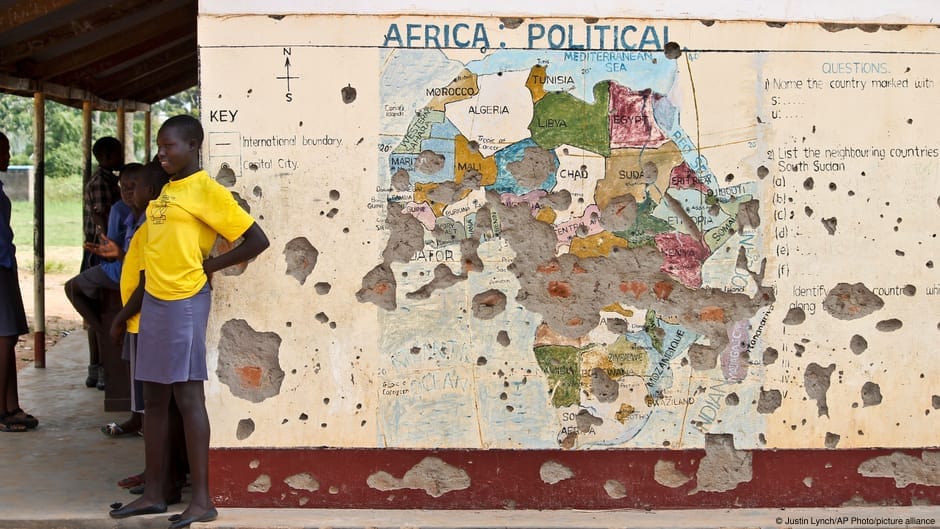 🧠Daily Briefing
Photo: DW English
Key points
- Elections postponed to February 11, 2027
- President Salva Kiir ruling by decree after dissolving transitional government
- UN warns of escalating humanitarian and security crises
South Sudan's National Elections Commission announced on Saturday that the country's first national elections will be postponed from December to February 11, 2027. Commission spokeswoman Josephine Achiro stated that the adjustment falls within legal parameters and is necessary to accommodate vital preparations such as voter registration and civic education. The World Bank notes that widespread administrative hurdles persist, as the majority of citizens lack state-issued identification documents despite thousands of registration centers set up nationwide.
The announcement follows severe political friction and a spike in violence within the young republic. President Salva Kiir dissolved the transitional government in September, replacing it with a caretaker administration and ruling by decree. Concurrently, Vice President Riek Machar was placed under house arrest after facing treason charges, dismantling the fragile national unity government established under the 2018 peace accord that ended a civil war responsible for over 400,000 deaths.
International bodies have raised alarms over the compounding crises facing the nation of 12 million. Anita Kiki Ghebo, head of the UN Mission in South Sudan, warned that security, political, and humanitarian challenges are mutually reinforcing, with roughly 10 million residents requiring aid alongside an influx of 1.4 million refugees fleeing the ongoing conflict in neighboring Sudan.
The stakes
President Salva Kiir preserves his executive control during the prolonged caretaker period, while opposition figures face marginalization and detention. If the delayed timeline holds, the country may finally achieve its first democratic ballot, but failure to secure a credible roadmap risks returning the nation to full-scale ethnic conflict between Dinka and Nuer factions.
Two readings
- Supporters read the delay as a pragmatic and legally authorized step to ensure comprehensive voter registration and meaningful civic participation.
- Critics read the postponement as an authoritarian maneuver by President Kiir to indefinitely extend his rule and sideline political rivals.
Source DW English — dw.com/en/south-sudan-pushes-back-elections-amid-violent-flare-ups/… ↗
Read next
 ✒️Opinion & Analysis
ICJ Rules Myanmar Military Committed Genocide Against Rohingya
The International Court of Justice has found Myanmar's military guilty of genocide against the Rohingya, a ruling that damages the international standing of both Aung San…
 🕯️Democracy & Rights
Chinese teachers face rising parental pressure over personal life choices
Chinese educators are encountering a surge in unreasonable demands from parents, including complaints regarding teachers' pregnancy and maternity leave.
 🛡️War & Security
Ukraine Restricts Media Coverage of Infrastructure Damage Amid Russian Strikes
President Volodymyr Zelenskyy has issued a decree prohibiting media outlets from reporting on the impact of Russian strikes against critical infrastructure and the status…
 🏮China & Taiwan
Beijing Reaffirms Reunification Stance Following Taiwan Local Election Results
China’s Taiwan Affairs Office declared that the island’s reunification with the mainland remains inevitable, despite recent shifts in Taiwan's local political landscape.
 🇪🇺Europe
US Air Force Repels Unauthorized Drone Incursion at RAF Lakenheath
U.S. security forces at a British air base successfully countered a group of unidentified drones, amid growing concerns over potential foreign state involvement.
 ⚖️Law & Policy
India Government Proposes 50% Increase in Parliamentary Seats and Women's Reservation
The Indian government plans to introduce legislation to expand the Lok Sabha to 850 seats and mandate a 33% reservation for women in legislative bodies.