Netanyahu Urges Israeli Unity Government as Eisenkot Rejects Political Maneuvers
Caretaker Prime Minister Benjamin Netanyahu renewed his appeal for a national unity government to confront regional security threats, prompting a sharp rejection from designated premier Gadi Eisenkot.
 🧠Daily Briefing
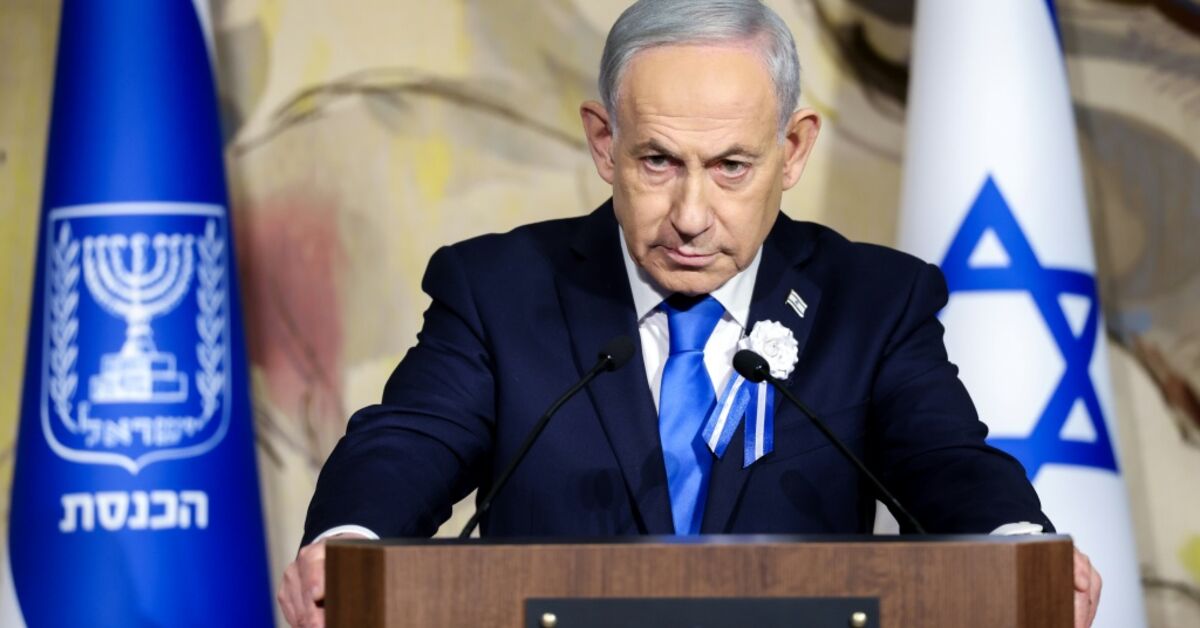
Photo: Al-Monitor
Key points
- Netanyahu calls for national unity government
- Eisenkot dismisses appeal as political trick
- Knesset speaker vote adds tension
Caretaker Prime Minister Benjamin Netanyahu publicly renewed his push for a national unity government on Saturday, arguing that a broad coalition is vital to secure the country and neutralize external threats such as Iran. In a video statement, Netanyahu urged opposition leader Gadi Eisenkot to drop plans for a minority administration, characterizing such a setup as weak and dangerous for national security.
The appeal follows a Thursday meeting between the two political figures and arrives as Eisenkot navigates a 28-day window to form a governing coalition after being tapped for the post. Netanyahu's proposed framework would unite key Jewish parties spanning the center to the right while excluding Arab factions, aiming to address critical defense challenges without relying on a divided parliament.
Shortly after the announcement, Eisenkot dismissed the call as a tactical ruse, accusing the outgoing leader of sowing division while simultaneously negotiating. The former army chief maintained that his prospective government remains viable despite relying on a narrow legislative margin, and he conditioned any future partnership on severing ties with far-right extremists and allowing normal parliamentary procedures, including the upcoming vote for the Knesset speaker, to proceed unimpeded.
The stakes
The outcome of these coalition talks will determine whether Israel forms a stable administration capable of addressing pressing security concerns or heads toward prolonged political gridlock. If Eisenkot succeeds in establishing a minority government without Netanyahu, the balance of power in the Knesset will shift dramatically, altering legislative priorities and sidelining long-standing conservative alliances.
Two readings
- Supporters of Netanyahu's proposal argue that a broad national unity coalition is essential to project strength, ensure stable governance, and effectively manage severe regional threats from Iran.
- Critics and supporters of Eisenkot contend that the unity appeal is merely a desperate tactic to cling to power, bypass democratic norms, and obstruct legitimate coalition-building efforts.
Source Al-Monitor — al-monitor.com/originals/2026/11/netanyahu-calls-israeli-unity-gove… ↗
Read next
 ✒️Opinion & Analysis
ICJ Rules Myanmar Military Committed Genocide Against Rohingya
The International Court of Justice has found Myanmar's military guilty of genocide against the Rohingya, a ruling that damages the international standing of both Aung San…
 🕯️Democracy & Rights
Chinese teachers face rising parental pressure over personal life choices
Chinese educators are encountering a surge in unreasonable demands from parents, including complaints regarding teachers' pregnancy and maternity leave.
 🛡️War & Security
Ukraine Restricts Media Coverage of Infrastructure Damage Amid Russian Strikes
President Volodymyr Zelenskyy has issued a decree prohibiting media outlets from reporting on the impact of Russian strikes against critical infrastructure and the status…
 🏮China & Taiwan
Beijing Reaffirms Reunification Stance Following Taiwan Local Election Results
China’s Taiwan Affairs Office declared that the island’s reunification with the mainland remains inevitable, despite recent shifts in Taiwan's local political landscape.
 🇪🇺Europe
US Air Force Repels Unauthorized Drone Incursion at RAF Lakenheath
U.S. security forces at a British air base successfully countered a group of unidentified drones, amid growing concerns over potential foreign state involvement.
 ⚖️Law & Policy
India Government Proposes 50% Increase in Parliamentary Seats and Women's Reservation
The Indian government plans to introduce legislation to expand the Lok Sabha to 850 seats and mandate a 33% reservation for women in legislative bodies.