Sri Lanka Faces Backlash Over Proposed Counterterrorism Legislation
The Sri Lankan government is facing intense criticism from human rights groups over a proposed anti-terrorism bill that critics argue mirrors the repressive nature of existing laws.
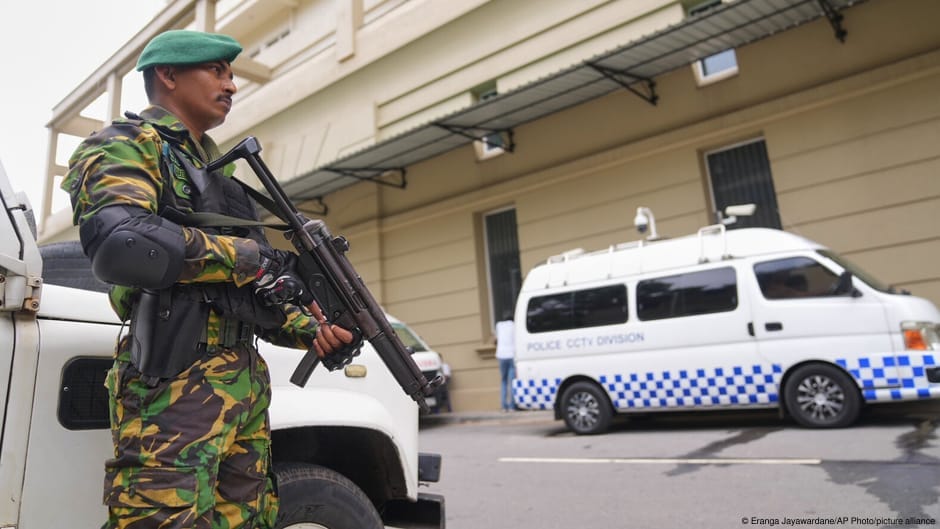 🌏Asia-Pacific
Photo: DW English
Key points
- Proposed PSTA bill faces criticism for vague definitions of terrorism.
- Rights groups fear the law will replicate the abuses of the existing PTA.
- The UN has called for significant revisions to ensure alignment with human rights standards.
The administration of President Anura Kumara Dissanayake has introduced the Protection of the State from Terrorism Act (PSTA), intended to replace the long-standing Prevention of Terrorism Act (PTA). While the government maintains that the new legislation is essential to combat modern extremist threats, human rights advocates warn that the draft contains overly broad definitions of terrorism and grants excessive powers to security forces.
Critics, including legal experts and activists, argue that the PSTA fails to address the fundamental flaws of its predecessor, which has been widely condemned for enabling arbitrary detentions and torture. Concerns have been raised regarding provisions that allow the military to exercise police powers, potentially leading to the further militarization of law enforcement. Furthermore, lawyers have pointed to specific clauses that could criminalize social media activity, potentially resulting in up to 15 years of imprisonment for sharing content deemed problematic under the vague terminology of the bill.
International bodies, including the Office of the United Nations High Commissioner for Human Rights, have urged the government to align the proposed law with international human rights standards. Despite these warnings, government spokesperson Nalinda Jayatissa has dismissed the allegations, asserting that the legislation will not infringe upon civil liberties or freedom of the press.
The stakes
The passage of the PSTA will determine the future of civil liberties in Sri Lanka, as it pits the government's security agenda against the preservation of democratic dissent. If enacted in its current form, the law risks alienating international partners and domestic rights groups, potentially leading to increased state surveillance and the suppression of free speech, while failing to provide the promised legal reforms.
Two readings
- Supporters, including government officials, argue the law is a necessary, modernized tool to counter complex, evolving extremist threats that endanger national security.
- Critics contend the bill is a tactical rebranding of the previous, abusive legislation, designed to maintain state control and stifle political opposition under the guise of counterterrorism.
Source DW English — dw.com/en/sri-lanka-rights-groups-sound-alarm-over-proposed-anti-te… ↗
Read next
 ✒️Opinion & Analysis
ICJ Rules Myanmar Military Committed Genocide Against Rohingya
The International Court of Justice has found Myanmar's military guilty of genocide against the Rohingya, a ruling that damages the international standing of both Aung San…
 🕯️Democracy & Rights
Chinese teachers face rising parental pressure over personal life choices
Chinese educators are encountering a surge in unreasonable demands from parents, including complaints regarding teachers' pregnancy and maternity leave.
 🛡️War & Security
Ukraine Restricts Media Coverage of Infrastructure Damage Amid Russian Strikes
President Volodymyr Zelenskyy has issued a decree prohibiting media outlets from reporting on the impact of Russian strikes against critical infrastructure and the status…
 🏮China & Taiwan
Beijing Reaffirms Reunification Stance Following Taiwan Local Election Results
China’s Taiwan Affairs Office declared that the island’s reunification with the mainland remains inevitable, despite recent shifts in Taiwan's local political landscape.
 🇪🇺Europe
US Air Force Repels Unauthorized Drone Incursion at RAF Lakenheath
U.S. security forces at a British air base successfully countered a group of unidentified drones, amid growing concerns over potential foreign state involvement.
 ⚖️Law & Policy
India Government Proposes 50% Increase in Parliamentary Seats and Women's Reservation
The Indian government plans to introduce legislation to expand the Lok Sabha to 850 seats and mandate a 33% reservation for women in legislative bodies.