Indonesian President Prabowo weighs three candidates to succeed Gibran as vice-president
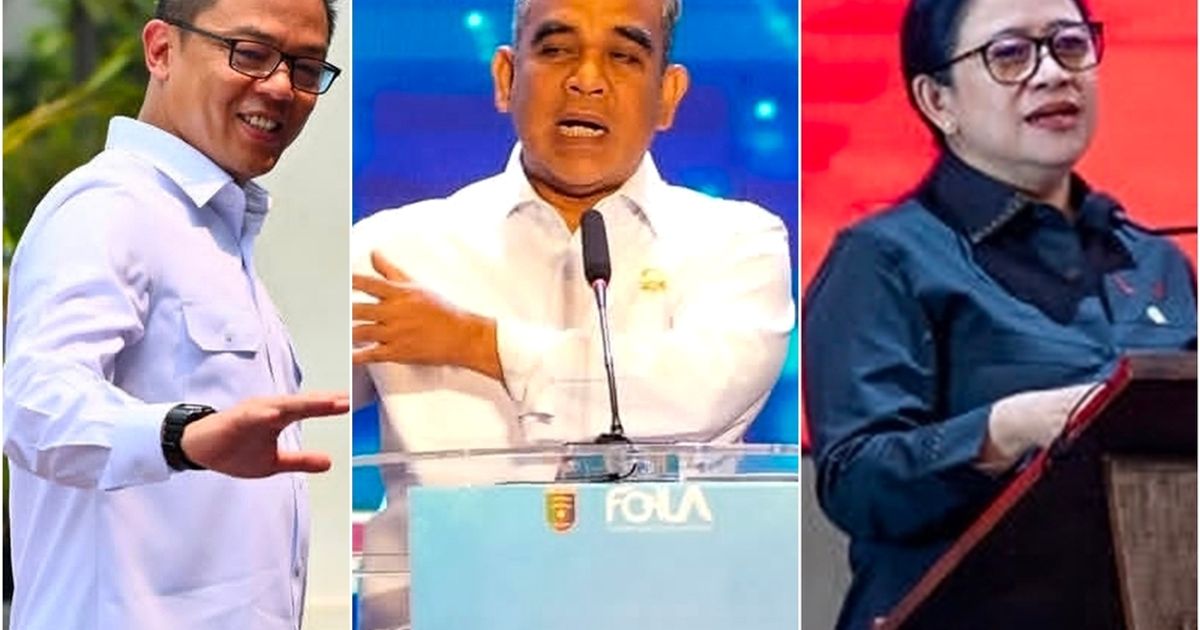
Indonesian President Prabowo Subianto is considering three candidates—Sugiono, Ahmad Muzani, and Puan Maharani—to succeed former Vice-President Gibran Rakabuming Raka following his resignation on Nov 12.
 🌏Asia-Pacific
Photo: Straits Times Asia
Key points
- Prabowo weighs three candidates for vice-president after Gibran's resignation
- Candidates include Gerindra members Sugiono and Ahmad Muzani, and PDI-P's Puan Maharani
- The MPR must elect a new vice-president from two presidential nominees within 60 working days
Indonesian President Prabowo Subianto is weighing three candidates to fill the vice-presidency following Gibran Rakabuming Raka’s resignation on Nov 12. The potential successors include Gerindra party figures Sugiono and Ahmad Muzani, alongside House of Representatives Speaker Puan Maharani from the opposition Indonesian Democratic Party of Struggle (PDI-P).
Gibran stepped down after about 120 MPs proposed impeachment proceedings over questions regarding his school documents used in the 2024 election. Under parliamentary rules, the People’s Consultative Assembly must fill the vacancy within 60 working days, with the President required to submit two nominees.
Each candidate presents a distinct governing strategy. Muzani offers charisma and extensive parliamentary networks, while Sugiono provides absolute loyalty to the administration. Meanwhile, selecting Puan, daughter of former president Megawati Soekarnoputri, could incorporate the PDI-P into the fold and unify the legislature.
The stakes
The selection will determine the internal balance of Prabowo's ruling coalition and shape the political landscape leading into the 2029 presidential election. A party insider pick consolidates Gerindra's grip on power but risks alienating coalition allies, whereas bringing in an opposition figure secures legislative harmony at the cost of sharing executive influence.
Two readings
- Supporters view the potential candidates as a chance to either reinforce executive loyalty or achieve total legislative stability and grassroots reach by uniting major political forces.
- Critics warn that a single-party pairing could sideline coalition partners, while appointing an opposition figure risks empowering a rival political dynasty for future presidential ambitions.
Source Straits Times Asia — straitstimes.com/asia/se-asia/three-names-that-stand-out-in-race-to… ↗
Read next
 ✒️Opinion & Analysis
ICJ Rules Myanmar Military Committed Genocide Against Rohingya
The International Court of Justice has found Myanmar's military guilty of genocide against the Rohingya, a ruling that damages the international standing of both Aung San…
 🕯️Democracy & Rights
Chinese teachers face rising parental pressure over personal life choices
Chinese educators are encountering a surge in unreasonable demands from parents, including complaints regarding teachers' pregnancy and maternity leave.
 🛡️War & Security
Ukraine Restricts Media Coverage of Infrastructure Damage Amid Russian Strikes
President Volodymyr Zelenskyy has issued a decree prohibiting media outlets from reporting on the impact of Russian strikes against critical infrastructure and the status…
 🏮China & Taiwan
Beijing Reaffirms Reunification Stance Following Taiwan Local Election Results
China’s Taiwan Affairs Office declared that the island’s reunification with the mainland remains inevitable, despite recent shifts in Taiwan's local political landscape.
 🇪🇺Europe
US Air Force Repels Unauthorized Drone Incursion at RAF Lakenheath
U.S. security forces at a British air base successfully countered a group of unidentified drones, amid growing concerns over potential foreign state involvement.
 ⚖️Law & Policy
India Government Proposes 50% Increase in Parliamentary Seats and Women's Reservation
The Indian government plans to introduce legislation to expand the Lok Sabha to 850 seats and mandate a 33% reservation for women in legislative bodies.