Indonesian President Prabowo Subianto Demands Greater State Share in Mining Permits
Indonesian President Prabowo Subianto announced that at least 70 percent of benefits from all mining permits must flow to the state, asserting that Jakarta should hold controlling stakes in mineral assets if required.
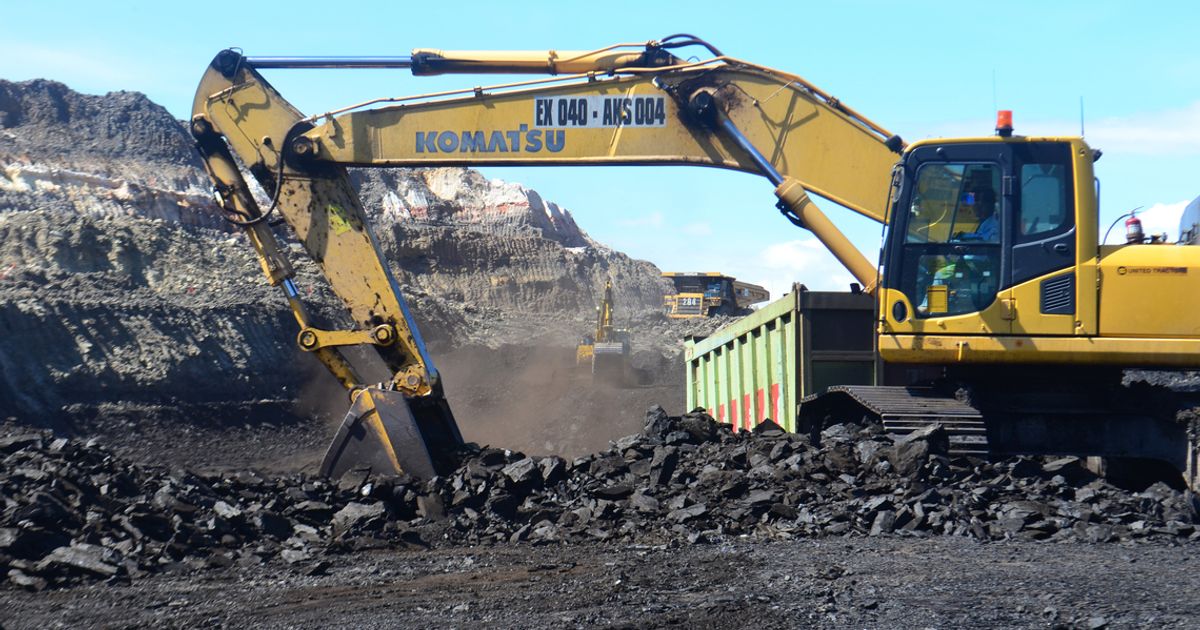 🌏Asia-Pacific
Photo: Straits Times Asia
Key points
- President Prabowo Subianto demands 70% state benefit from mining permits
- State aims to hold controlling stakes in mining assets where necessary
- Indonesia remains open to investors but insists profits favor the public
Indonesian President Prabowo Subianto stated on November 14 that the state must secure a larger proportion of returns from the nation's mining sector, declaring that at least 70 percent of all mining permits must directly advantage the public. Addressing members of the Islamic group Muhammadiyah in Jakarta, the Indonesian leader emphasized that while the country welcomes foreign and domestic capital, resource profits must primarily serve the domestic population.
Clarifying the administration's stance, a presidential palace statement explained that the mandated threshold applies specifically to proceeds generated from permit management. Although earlier discussions among energy officials pointed toward adopting a gross-split mechanism allocating 70 percent of output to the government and 30 percent to operators, cabinet leadership previously indicated shifts in implementation strategy following consultations with the presidency.
The stakes
This resource policy redirection alters the investment climate for domestic and international mining operators in Indonesia. If fully executed, the framework significantly expands state control over mineral and coal assets, shifting profit margins away from private firms toward public coffers, but potentially raising compliance and operational uncertainties for foreign investors.
Two readings
- Supporters view the policy as a vital assertion of national sovereignty, ensuring that Indonesia's abundant natural wealth directly alleviates poverty and funds public infrastructure.
- Critics caution that aggressive state intervention and unpredictable regulatory adjustments could deter foreign capital, hampering long-term sector growth and efficiency.
Source Straits Times Asia — straitstimes.com/asia/se-asia/indonesian-president-orders-greater-s… ↗
Read next
 ✒️Opinion & Analysis
ICJ Rules Myanmar Military Committed Genocide Against Rohingya
The International Court of Justice has found Myanmar's military guilty of genocide against the Rohingya, a ruling that damages the international standing of both Aung San…
 🕯️Democracy & Rights
Chinese teachers face rising parental pressure over personal life choices
Chinese educators are encountering a surge in unreasonable demands from parents, including complaints regarding teachers' pregnancy and maternity leave.
 🛡️War & Security
Ukraine Restricts Media Coverage of Infrastructure Damage Amid Russian Strikes
President Volodymyr Zelenskyy has issued a decree prohibiting media outlets from reporting on the impact of Russian strikes against critical infrastructure and the status…
 🏮China & Taiwan
Beijing Reaffirms Reunification Stance Following Taiwan Local Election Results
China’s Taiwan Affairs Office declared that the island’s reunification with the mainland remains inevitable, despite recent shifts in Taiwan's local political landscape.
 🇪🇺Europe
US Air Force Repels Unauthorized Drone Incursion at RAF Lakenheath
U.S. security forces at a British air base successfully countered a group of unidentified drones, amid growing concerns over potential foreign state involvement.
 ⚖️Law & Policy
India Government Proposes 50% Increase in Parliamentary Seats and Women's Reservation
The Indian government plans to introduce legislation to expand the Lok Sabha to 850 seats and mandate a 33% reservation for women in legislative bodies.