Pakistan Districts Ban Public Gatherings Amid Security Concerns
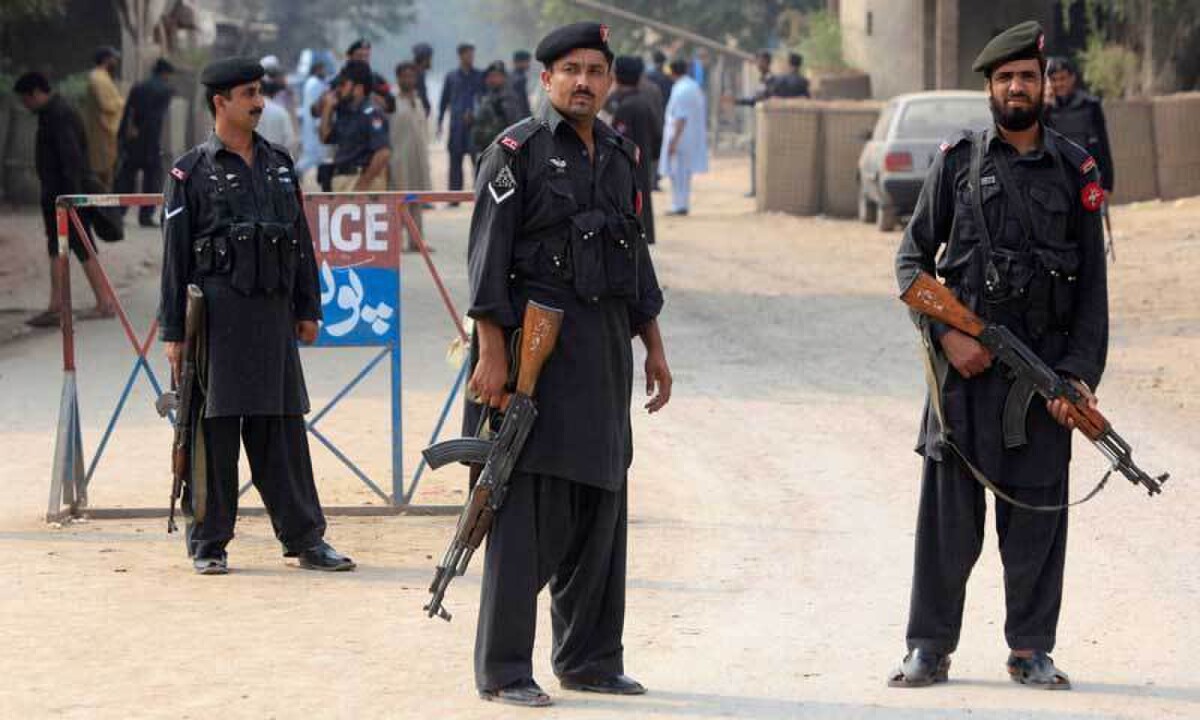
District administrations in Khyber Pakhtunkhwa have imposed Section 144, banning public gatherings, rallies, and weapons displays for 30 days due to security threats.
 🌏Asia-Pacific
Photo: Dawn
Key points
- Section 144 imposed for 30 days in Bajaur, Swabi, and Lakki Marwat.
- Restrictions ban political gatherings, rallies, and public weapons displays.
- Measures follow a surge in regional security operations and militant attacks.
Local administrations across three districts in Pakistan's Khyber Pakhtunkhwa province—Bajaur, Swabi, and Lakki Marwat—enforced Section 144 of the Code of Criminal Procedure on Sunday, implementing a 30-day ban on public assemblies, processions, and political gatherings. The restrictive orders, issued separately by the respective deputy commissioners, cite persistent security threats, public safety risks, and the need to preserve law and order.
In Bajaur, Deputy Commissioner Adnan Farid Afridi prohibited political gatherings, hate speech against the state, and the open display of weapons until December 15. Authorities instructed law enforcement agencies to increase vigilance at district checkpoints and penalize violators under Section 188 of the Pakistan Penal Code. Similar mandates in Swabi and Lakki Marwat target rallies, marches, and demonstrations, with Lakki Marwat extending prohibitions to include pillion riding, weapons possession, and the erection of temporary roadside structures that could impede traffic.
The precautionary measures coincide with a broader surge in militant violence and counterterrorism operations across the region. Recent military updates indicate that dozens of militants have been killed in intelligence-based operations throughout Khyber Pakhtunkhwa and Balochistan, following a series of security incidents targeting police posts and military personnel in the northwest.
The stakes
Civil liberties and political mobilization in Khyber Pakhtunkhwa face severe temporary restrictions, limiting public dissent and campaigning. While local administrations aim to curtail potential militant attacks and protect infrastructure, political groups risk losing their ability to organize public gatherings, raising concerns about the constriction of civic space during an already volatile security climate.
Two readings
- Supporters read the restrictions as a vital and necessary security precaution to protect civilian lives and thwart potential militant attacks amid ongoing counterterrorism operations.
- Critics read the bans as an authoritarian measure designed to suppress political expression, curb opposition activities, and curtail freedom of assembly under the guise of maintaining public order.
Source Dawn — dawn.com/news/2044702/gatherings-in-kps-bajaur-lakki-marwat-swabi-b… ↗
Read next
 ✒️Opinion & Analysis
ICJ Rules Myanmar Military Committed Genocide Against Rohingya
The International Court of Justice has found Myanmar's military guilty of genocide against the Rohingya, a ruling that damages the international standing of both Aung San…
 🕯️Democracy & Rights
Chinese teachers face rising parental pressure over personal life choices
Chinese educators are encountering a surge in unreasonable demands from parents, including complaints regarding teachers' pregnancy and maternity leave.
 🛡️War & Security
Ukraine Restricts Media Coverage of Infrastructure Damage Amid Russian Strikes
President Volodymyr Zelenskyy has issued a decree prohibiting media outlets from reporting on the impact of Russian strikes against critical infrastructure and the status…
 🏮China & Taiwan
Beijing Reaffirms Reunification Stance Following Taiwan Local Election Results
China’s Taiwan Affairs Office declared that the island’s reunification with the mainland remains inevitable, despite recent shifts in Taiwan's local political landscape.
 🇪🇺Europe
US Air Force Repels Unauthorized Drone Incursion at RAF Lakenheath
U.S. security forces at a British air base successfully countered a group of unidentified drones, amid growing concerns over potential foreign state involvement.
 ⚖️Law & Policy
India Government Proposes 50% Increase in Parliamentary Seats and Women's Reservation
The Indian government plans to introduce legislation to expand the Lok Sabha to 850 seats and mandate a 33% reservation for women in legislative bodies.