Philippine Semiconductor Hub Under US Initiative Draws Indigenous Displacement Warnings
A planned 1,618-hectare semiconductor facility in Tarlac province under a US supply chain initiative threatens to displace Indigenous Aeta communities from their ancestral land.
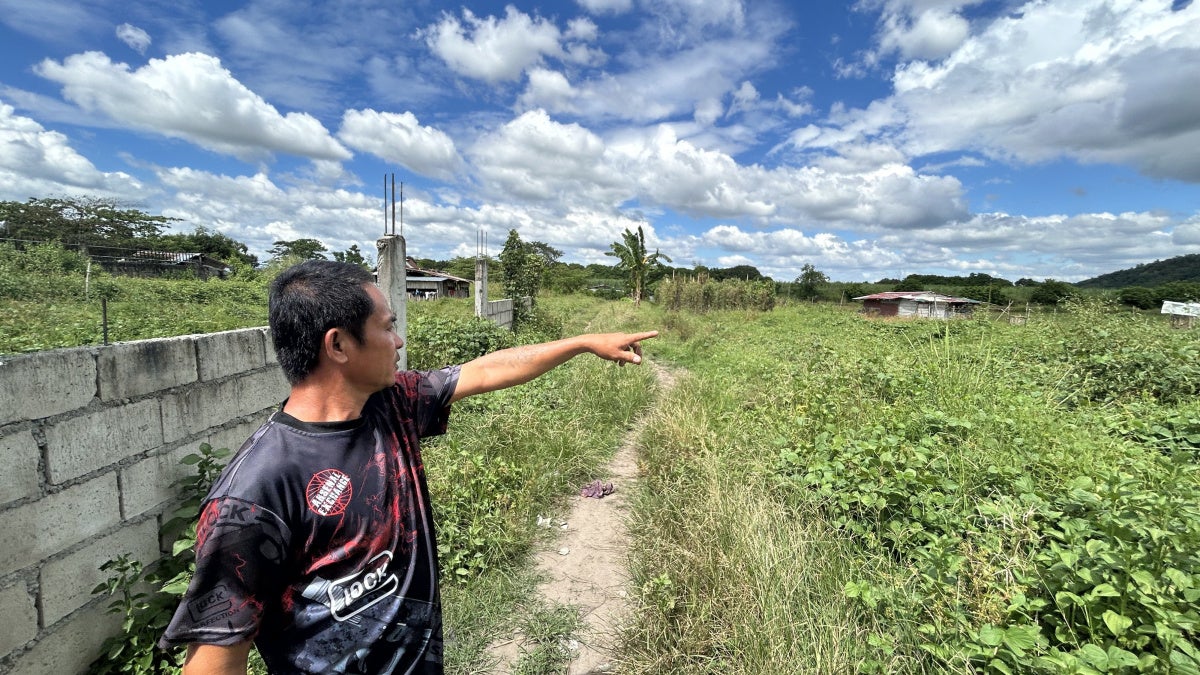 🌏Asia-Pacific
Photo: Human Rights Watch
Key points
- The Philippines plans to establish a 1,618-hectare semiconductor hub in Capas, Tarlac, under the US Pax Silica initiative.
- The government authority overseeing the project plans to relocate roughly 200 Indigenous Aeta Hungey residents by December.
- Community leaders cite unresolved land titles under the 1997 Indigenous Peoples Rights Act as exposing them to displacement.
The Philippine government's plan to build a 1,618-hectare semiconductor manufacturing hub in Tarlac province under the United States-backed Pax Silica initiative threatens to displace hundreds of Indigenous residents and local farmers, rights advocates warned on Thursday.
Located within New Clark City in the municipality of Capas, the project is managed by the Bases Conversion and Development Authority to process minerals and manufacture technology hardware. President Ferdinand Marcos Jr. has strongly supported the bilateral framework, which Manila joined in April 2026, although the formal agreement with Washington has not yet been signed. According to statements made by government officials to lawmakers, the project would relocate around 40 Aeta Hungey families—comprising roughly 200 people—from the village of Sapang Kawayan to a site in Sitio Binyayan by December.
Community leaders, including Chieftain Petronila Capiz-Muñoz, have raised alarms over losing ancestral territory, burial sites, and agricultural land vital for their self-sufficiency. The Aeta Hungey tribe has sought legal recognition of its ancestral domain since 1994 under the 1997 Indigenous Peoples Rights Act, but bureaucratic delays have left the community without formal title. Rights researchers noted that official notices sent to residents failed to detail the scale of the impending industrial hub.
The stakes
For the Marcos administration, securing foreign investment under the Pax Silica umbrella offers strategic integration into American technology supply chains, but executing the hub without Indigenous consent risks violating national land rights laws and sparking domestic backlash.
Two readings
- Supporters argue that establishing the advanced industrial hub will attract foreign capital, boost high-tech manufacturing, and solidify strategic economic ties with the United States.
- Critics contend that the project undermines statutory protections for Indigenous ancestral lands, jeopardising local agricultural livelihoods and cultural heritage for geopolitical alignment.
Source Human Rights Watch — hrw.org/news/2026/11/16/philippines-us-tech-hub-to-displace-hundreds ↗
Read next
 ✒️Opinion & Analysis
ICJ Rules Myanmar Military Committed Genocide Against Rohingya
The International Court of Justice has found Myanmar's military guilty of genocide against the Rohingya, a ruling that damages the international standing of both Aung San…
 🕯️Democracy & Rights
Chinese teachers face rising parental pressure over personal life choices
Chinese educators are encountering a surge in unreasonable demands from parents, including complaints regarding teachers' pregnancy and maternity leave.
 🛡️War & Security
Ukraine Restricts Media Coverage of Infrastructure Damage Amid Russian Strikes
President Volodymyr Zelenskyy has issued a decree prohibiting media outlets from reporting on the impact of Russian strikes against critical infrastructure and the status…
 🏮China & Taiwan
Beijing Reaffirms Reunification Stance Following Taiwan Local Election Results
China’s Taiwan Affairs Office declared that the island’s reunification with the mainland remains inevitable, despite recent shifts in Taiwan's local political landscape.
 🇪🇺Europe
US Air Force Repels Unauthorized Drone Incursion at RAF Lakenheath
U.S. security forces at a British air base successfully countered a group of unidentified drones, amid growing concerns over potential foreign state involvement.
 ⚖️Law & Policy
India Government Proposes 50% Increase in Parliamentary Seats and Women's Reservation
The Indian government plans to introduce legislation to expand the Lok Sabha to 850 seats and mandate a 33% reservation for women in legislative bodies.