Pakistan Minister to Attend SCO Dialogue in New Delhi Amid Faint Hopes for Rapprochement
Pakistan is sending Federal Minister Dr Musadik Malik to New Delhi for the SCO Civilisational Dialogue on November 20, sparking cautious speculation about discreet diplomatic openings between the two nuclear-armed neighbors.
 🌏Asia-Pacific
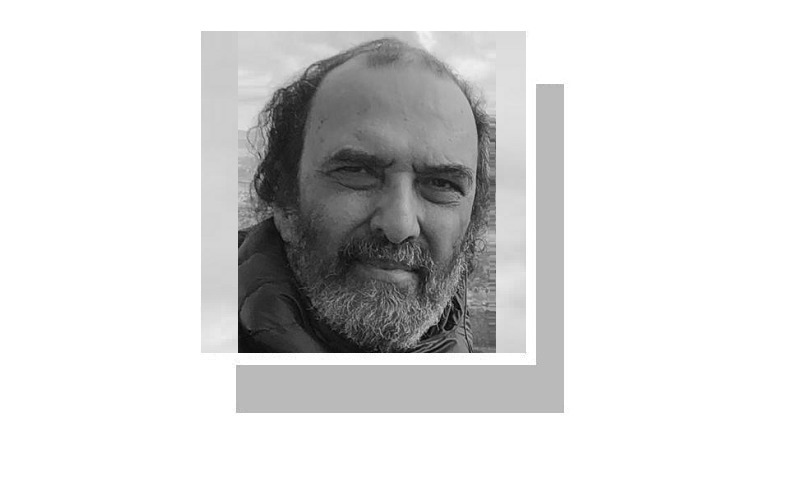
Photo: Dawn
Key points
- Pakistan minister Dr Musadik Malik travels to New Delhi for SCO event
- Reports suggest discreet cross-border trade activity
- Ideological shifts in both nations continue to challenge formal ties
Pakistan has announced that Federal Minister for Climate Change and Environmental Coordination Dr Musadik Malik will travel to New Delhi on November 20 to participate in the Shanghai Cooperation Organisation Civilisational Dialogue. While observers remain skeptical that the visit will serve as an immediate diplomatic breakthrough, the engagement offers a rare multilateral platform for interaction between the two perpetually strained South Asian neighbors.
Reports indicate that bilateral trade may also be experiencing a discreet, unannounced uptick despite official hostilities, mirroring pragmatic economic necessities. Past ministerial and high-level delegations have frequently utilized or upended SCO summits for rhetorical sparring, yet current regional economic pressures could compel a quieter, more functional approach to cross-border realities.
The broader ideological climate in both countries presents persistent hurdles to formal reconciliation. Critics point out that New Delhi's Hindu revivalist administration under Prime Minister Narendra Modi has actively reshaped domestic narratives by airbrushing Mughal history and renaming localities, while Islamabad has similarly grappled historically with sectarian curricula, though some local initiatives are currently attempting to restore non-Muslim heritage identities.
The stakes
A successful, quiet unfreezing of hostilities stands to benefit regional stability and boost stalled economic exchanges, while failure keeps both nations locked in mutual hostility and missed opportunities for regional integration.
Two readings
- Supporters read the ministerial visit as a pragmatic and necessary step toward incremental diplomacy and economic de-escalation.
- Critics view the engagement as merely symbolic window-dressing that is unlikely to alter deep-seated ideological animosities.
Source Dawn — dawn.com/news/2045082/being-civil-to-begin-with ↗
Read next
 ✒️Opinion & Analysis
ICJ Rules Myanmar Military Committed Genocide Against Rohingya
The International Court of Justice has found Myanmar's military guilty of genocide against the Rohingya, a ruling that damages the international standing of both Aung San…
 🕯️Democracy & Rights
Chinese teachers face rising parental pressure over personal life choices
Chinese educators are encountering a surge in unreasonable demands from parents, including complaints regarding teachers' pregnancy and maternity leave.
 🛡️War & Security
Ukraine Restricts Media Coverage of Infrastructure Damage Amid Russian Strikes
President Volodymyr Zelenskyy has issued a decree prohibiting media outlets from reporting on the impact of Russian strikes against critical infrastructure and the status…
 🏮China & Taiwan
Beijing Reaffirms Reunification Stance Following Taiwan Local Election Results
China’s Taiwan Affairs Office declared that the island’s reunification with the mainland remains inevitable, despite recent shifts in Taiwan's local political landscape.
 🇪🇺Europe
US Air Force Repels Unauthorized Drone Incursion at RAF Lakenheath
U.S. security forces at a British air base successfully countered a group of unidentified drones, amid growing concerns over potential foreign state involvement.
 ⚖️Law & Policy
India Government Proposes 50% Increase in Parliamentary Seats and Women's Reservation
The Indian government plans to introduce legislation to expand the Lok Sabha to 850 seats and mandate a 33% reservation for women in legislative bodies.