South Korean Prime Minister Vows Crackdown on AI-Assisted Exam Cheating
Prime Minister Han Seong-sook has announced strict measures to prevent the use of artificial intelligence during the upcoming national university entrance exams.
 🌏Asia-Pacific
Photo: SCMP Asia
Key points
- Prime Minister Han Seong-sook labels AI-assisted cheating a social evil.
- Government implements total ban on smart devices at CSAT exam sites.
- Enhanced security includes physical inspections of student clothing and accessories.
South Korean Prime Minister Han Seong-sook has declared a firm stance against the use of artificial intelligence in the nation's high-stakes university entrance examinations. Describing AI-assisted cheating as a significant "social evil," the Prime Minister announced that the government will mobilize all available national resources to ensure the integrity of the College Scholastic Ability Test (CSAT) scheduled for this Thursday.
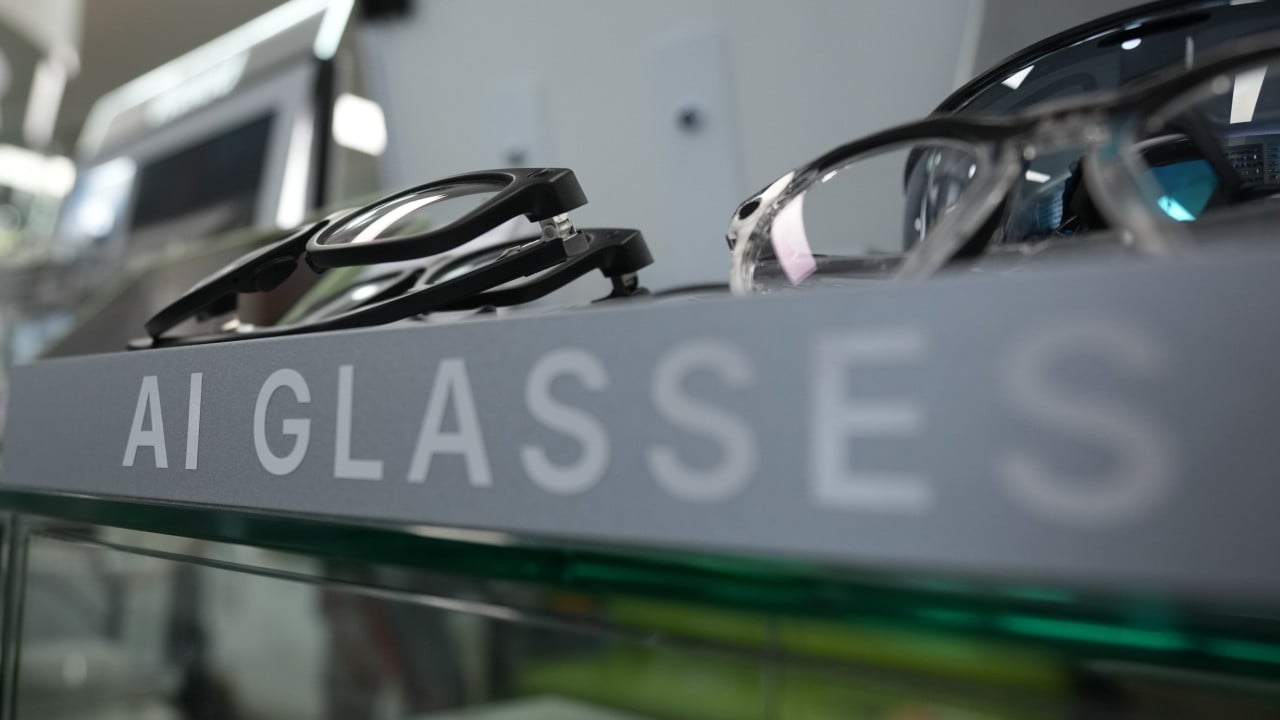
To combat potential technological misconduct, the administration has established an emergency response team tasked with monitoring exam security. Authorities have implemented a comprehensive ban on all smart devices within testing centers. Furthermore, the government is increasing the number of personnel deployed to exam sites, with officials conducting thorough inspections of candidates' attire, including glasses and collars, to detect hidden recording or communication equipment.
The CSAT is a pivotal event in South Korean society, often determining a student's future academic and professional trajectory. By intensifying surveillance and enforcement, the government aims to maintain public trust in the meritocratic nature of the examination system, which remains a cornerstone of the country's educational and social framework.
The stakes
The government gains by upholding the perceived fairness of a high-pressure national institution, while students found violating these strict protocols face immediate disqualification and potential long-term academic consequences. A successful crackdown reinforces the state's authority over educational standards, whereas any failure to prevent high-tech cheating could undermine public confidence in the entire university admissions process.
Two readings
- Supporters argue that rigorous oversight is essential to prevent a technological arms race that would disadvantage honest students and corrupt the value of the national qualification.
- Critics suggest that the extreme measures, such as inspecting personal clothing, may create an overly stressful and intrusive environment that could negatively impact student performance.
Source SCMP Asia — scmp.com/week-asia/lifestyle-culture/article/3374703/south-korea-ch… ↗
Read next
 ✒️Opinion & Analysis
ICJ Rules Myanmar Military Committed Genocide Against Rohingya
The International Court of Justice has found Myanmar's military guilty of genocide against the Rohingya, a ruling that damages the international standing of both Aung San…
 🕯️Democracy & Rights
Chinese teachers face rising parental pressure over personal life choices
Chinese educators are encountering a surge in unreasonable demands from parents, including complaints regarding teachers' pregnancy and maternity leave.
 🛡️War & Security
Ukraine Restricts Media Coverage of Infrastructure Damage Amid Russian Strikes
President Volodymyr Zelenskyy has issued a decree prohibiting media outlets from reporting on the impact of Russian strikes against critical infrastructure and the status…
 🏮China & Taiwan
Beijing Reaffirms Reunification Stance Following Taiwan Local Election Results
China’s Taiwan Affairs Office declared that the island’s reunification with the mainland remains inevitable, despite recent shifts in Taiwan's local political landscape.
 🇪🇺Europe
US Air Force Repels Unauthorized Drone Incursion at RAF Lakenheath
U.S. security forces at a British air base successfully countered a group of unidentified drones, amid growing concerns over potential foreign state involvement.
 ⚖️Law & Policy
India Government Proposes 50% Increase in Parliamentary Seats and Women's Reservation
The Indian government plans to introduce legislation to expand the Lok Sabha to 850 seats and mandate a 33% reservation for women in legislative bodies.