President Marcos Declares ASEAN Summit Success Despite Unresolved Regional Crises
Philippine President Ferdinand Marcos Jr. concluded the 49th ASEAN Summit, touting progress on digital and energy agreements despite failing to resolve the Myanmar crisis or the South China Sea dispute.
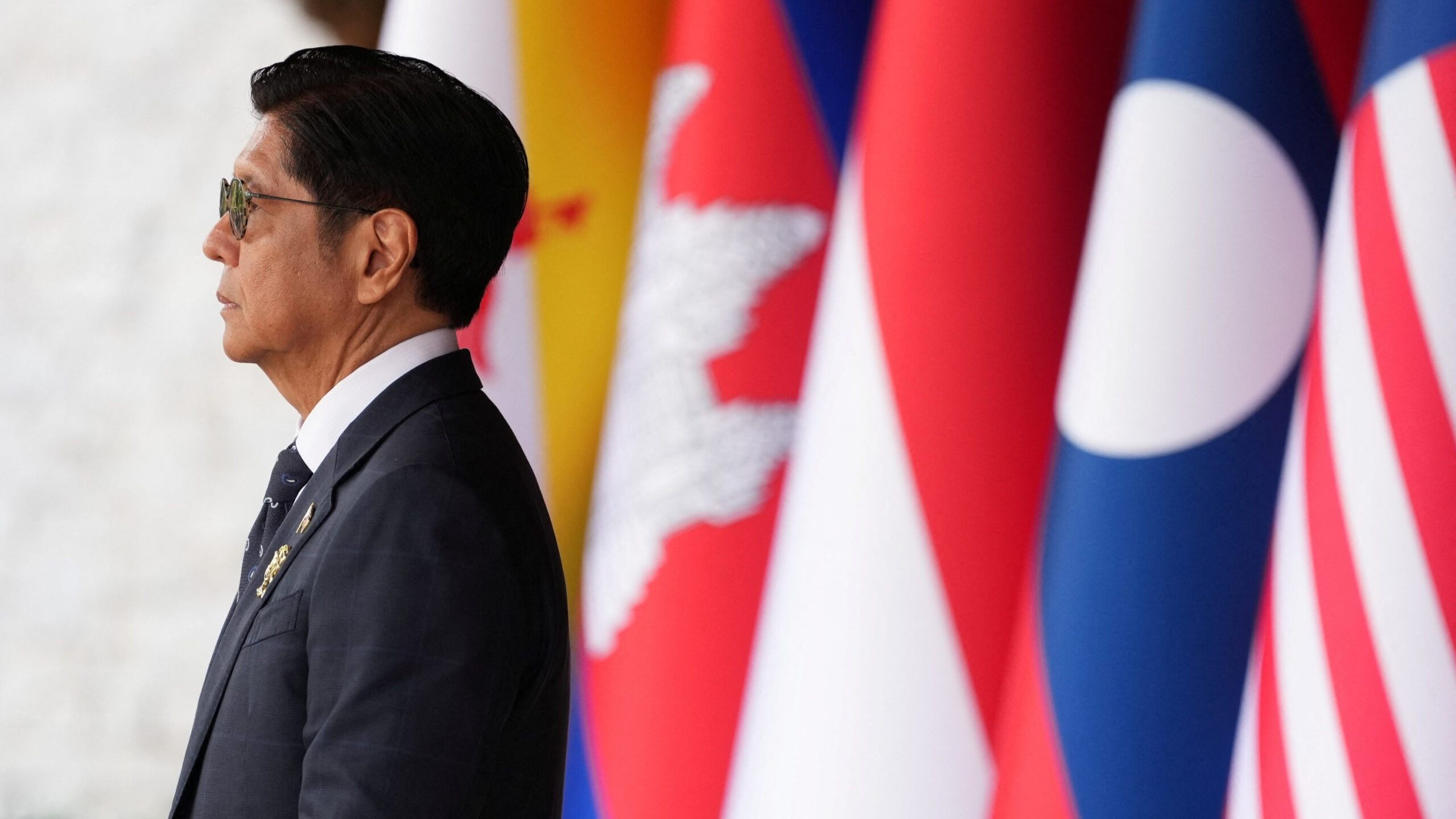 🌏Asia-Pacific
Photo: Rappler
Key points
- President Marcos declared the ASEAN chairmanship a success citing digital and energy agreements.
- Myanmar remains excluded from high-level summits due to lack of progress on the Five-Point Consensus.
- South China Sea Code of Conduct negotiations remain stalled over definitions and the issue of legal enforceability.
Philippine President Ferdinand Marcos Jr. officially concluded the 49th ASEAN Summit in Manila on November 17, declaring the Philippine chairmanship a success. While the summit produced over a hundred outcome documents and established new frameworks for digital trade and regional power grid connectivity, the bloc remained deadlocked on several critical geopolitical challenges.
The summit failed to achieve a breakthrough regarding the ongoing civil war in Myanmar. Although ASEAN leaders agreed to a "calibrated, progress-based approach," they acknowledged that implementation of the bloc's Five-Point Consensus remains insufficient. Consequently, Myanmar’s military-backed leadership will continue to be excluded from high-level political meetings.
Negotiations for a South China Sea Code of Conduct also remained incomplete. President Marcos noted that 85% to 90% of the agreement is finished, citing ongoing disputes over terminology. However, the discussions notably avoided the contentious issue of whether the final code would be legally binding, leaving the Philippines and other claimants in a precarious position regarding maritime confrontations with China.
The stakes
The failure to finalize a legally binding Code of Conduct leaves regional maritime security vulnerable to continued escalation, while the inability to resolve the Myanmar crisis risks further destabilizing the bloc's internal cohesion. Marcos gains a domestic narrative of active leadership through signed economic agreements, but the lack of progress on security issues underscores the limitations of ASEAN’s consensus-based decision-making model.
Two readings
- Supporters argue that the summit successfully advanced regional integration through the Digital Economy Framework Agreement and the ASEAN Power Grid initiative.
- Critics contend that the summit prioritized bureaucratic milestones over addressing the existential security threats posed by the Myanmar conflict and South China Sea territorial disputes.
Source Rappler — rappler.com/philippines/myanmar-south-china-sea-coc-unsolved-asean-… ↗
Read next
 ✒️Opinion & Analysis
ICJ Rules Myanmar Military Committed Genocide Against Rohingya
The International Court of Justice has found Myanmar's military guilty of genocide against the Rohingya, a ruling that damages the international standing of both Aung San…
 🕯️Democracy & Rights
Chinese teachers face rising parental pressure over personal life choices
Chinese educators are encountering a surge in unreasonable demands from parents, including complaints regarding teachers' pregnancy and maternity leave.
 🛡️War & Security
Ukraine Restricts Media Coverage of Infrastructure Damage Amid Russian Strikes
President Volodymyr Zelenskyy has issued a decree prohibiting media outlets from reporting on the impact of Russian strikes against critical infrastructure and the status…
 🏮China & Taiwan
Beijing Reaffirms Reunification Stance Following Taiwan Local Election Results
China’s Taiwan Affairs Office declared that the island’s reunification with the mainland remains inevitable, despite recent shifts in Taiwan's local political landscape.
 🇪🇺Europe
US Air Force Repels Unauthorized Drone Incursion at RAF Lakenheath
U.S. security forces at a British air base successfully countered a group of unidentified drones, amid growing concerns over potential foreign state involvement.
 ⚖️Law & Policy
India Government Proposes 50% Increase in Parliamentary Seats and Women's Reservation
The Indian government plans to introduce legislation to expand the Lok Sabha to 850 seats and mandate a 33% reservation for women in legislative bodies.