Negeri Sembilan Palace Denies Directives Given to Malaysian Chief Minister
The royal palace of Malaysia's Negeri Sembilan state has publicly contradicted statements made by the regional chief minister regarding instructions to remain in power.
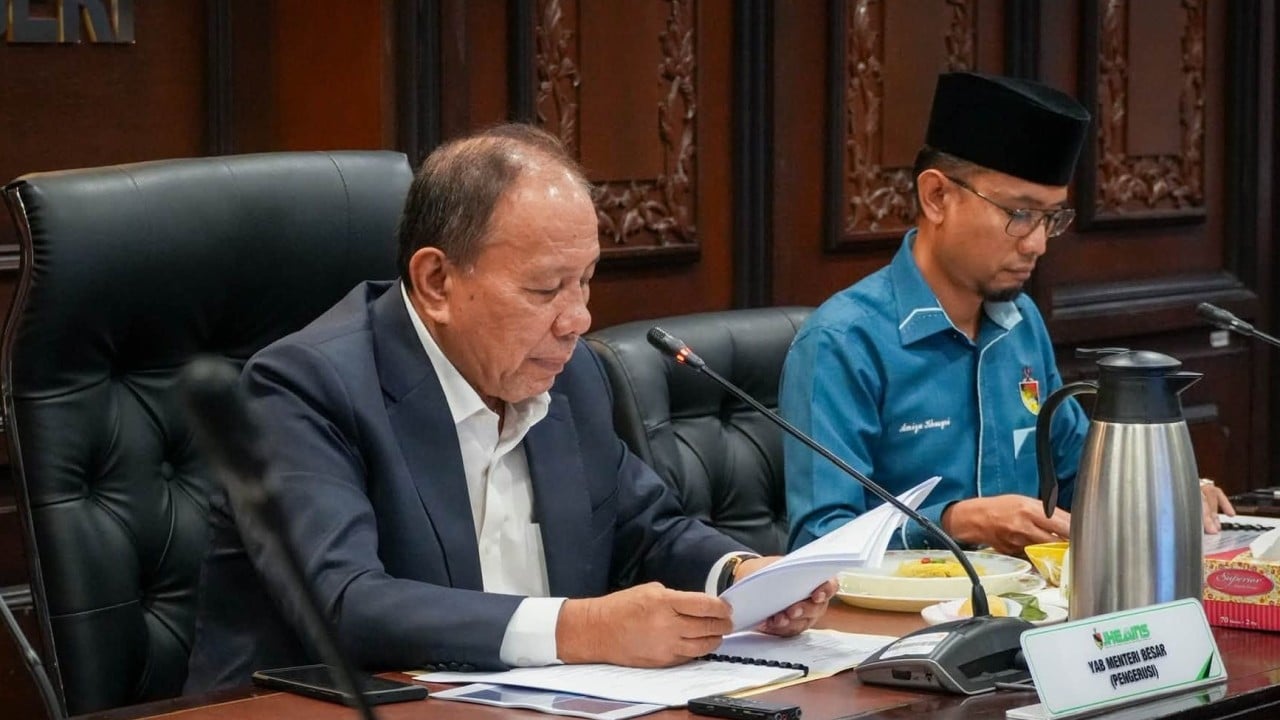 🌏Asia-Pacific
Photo: SCMP Asia
Key points
- Palace denies chief minister's claim of royal retention order
- Standoff follows a seven-month dispute involving traditional chieftains
- Tensions highlight friction between traditional royalty and party politics
The royal administration of Malaysia's Negeri Sembilan state formally disputed assertions made by the regional chief minister on Friday, clarifying that no royal command had been issued for him to maintain his position. This public correction emerged merely days after the leader's political party declared his impending departure, following months of intense institutional friction.
The disagreement follows a protracted seven-month political standoff within the western Malaysian region. In April, a faction of traditional local chieftains moved to challenge the authority of state ruler Tuanku Muhriz Tuanku Munawir, seeking instead to elevate Tunku Nadzaruddin Tuanku Ja’afar to the throne. The regional governance apparatus has faced severe operational friction as traditional royal protocols clash with contemporary party politics.
Constitutional experts note that the public contradiction highlights the delicate balance between Malaysia’s hereditary royalty and elected political leadership. State authorities have urged calm as political stakeholders evaluate the legal and traditional implications of the disputed succession claims and ministerial tenure.
The stakes
The outcome determines the political stability of Negeri Sembilan and sets a precedent for the limits of royal authority in regional governance. If the palace successfully asserts its independence from the executive claims, traditional rulers may wield greater leverage over state leadership appointments; if political parties prevail, modern democratic norms will constrain royal interventions.
Two readings
- Supporters of the chief minister argue that highlighting royal communication provides necessary transparency during a complex institutional transition.
- Critics contend that dragging the palace into public political disputes undermines the constitutional neutrality of the traditional monarchy.
Source SCMP Asia — scmp.com/week-asia/politics/article/3375217/malaysias-negeri-sembil… ↗
Read next
 ✒️Opinion & Analysis
ICJ Rules Myanmar Military Committed Genocide Against Rohingya
The International Court of Justice has found Myanmar's military guilty of genocide against the Rohingya, a ruling that damages the international standing of both Aung San…
 🕯️Democracy & Rights
Chinese teachers face rising parental pressure over personal life choices
Chinese educators are encountering a surge in unreasonable demands from parents, including complaints regarding teachers' pregnancy and maternity leave.
 🛡️War & Security
Ukraine Restricts Media Coverage of Infrastructure Damage Amid Russian Strikes
President Volodymyr Zelenskyy has issued a decree prohibiting media outlets from reporting on the impact of Russian strikes against critical infrastructure and the status…
 🏮China & Taiwan
Beijing Reaffirms Reunification Stance Following Taiwan Local Election Results
China’s Taiwan Affairs Office declared that the island’s reunification with the mainland remains inevitable, despite recent shifts in Taiwan's local political landscape.
 🇪🇺Europe
US Air Force Repels Unauthorized Drone Incursion at RAF Lakenheath
U.S. security forces at a British air base successfully countered a group of unidentified drones, amid growing concerns over potential foreign state involvement.
 ⚖️Law & Policy
India Government Proposes 50% Increase in Parliamentary Seats and Women's Reservation
The Indian government plans to introduce legislation to expand the Lok Sabha to 850 seats and mandate a 33% reservation for women in legislative bodies.