India's 2016 demonetization left unfulfilled promises a decade later
Ten years after Prime Minister Narendra Modi invalidated 86.9% of India's currency, analysts and economists evaluate the policy's failure to curb black money and its heavy toll on the informal sector.
 🌏Asia-Pacific
Photo: DW English
Key points
- Modi withdrew 86.9% of currency overnight in 2016
- 99.3% of demonetized cash returned to banks by 2018
- Digital payments surged, but physical cash in circulation increased
A decade after Prime Minister Narendra Modi announced the sudden withdrawal of all 500- and 1,000-rupee banknotes, critics and economists argue that the radical policy failed to achieve its core objectives of eliminating black money and corruption. In a televised address on November 8, 2016, Modi invalidated 86.9% of the country's circulating currency overnight, urging citizens to endure hardship to cleanse the economy.
The policy triggered widespread chaos as millions queued outside banks to swap savings. According to financial experts and economists, the informal sector and vulnerable populations bore the heaviest burden, facing severe disruptions to livelihoods while illicit wealth largely remained untouched in real estate and gold. In 2018, the Reserve Bank of India reported that 99.3% of the demonetized cash had returned to the banking system, undermining predictions that vast sums of undeclared wealth would be permanently extinguished.
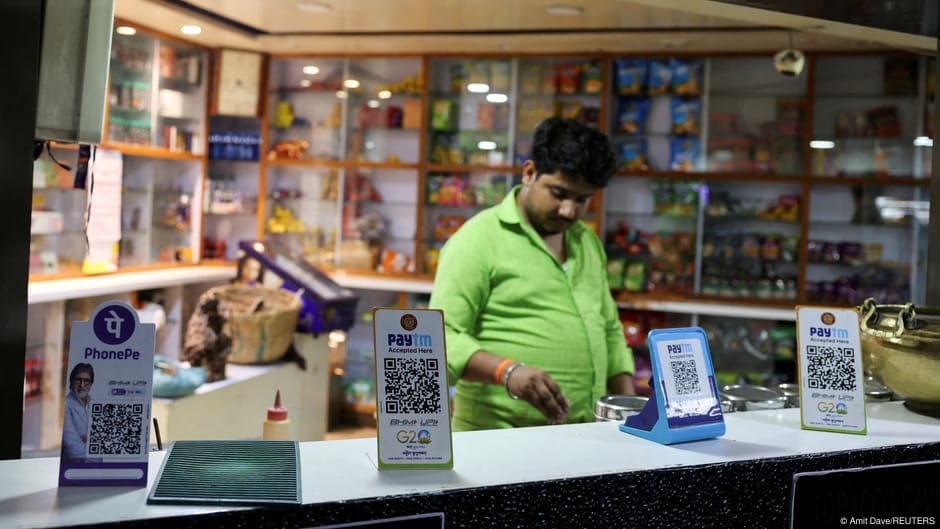
While digital payments have expanded significantly via the Unified Payments Interface, handling billions of transactions by 2025-2026, data shows physical currency in circulation has actually increased compared to 2016 levels. Researchers maintain that the currency withdrawal produced only modest gains against its stated aims while imposing immediate economic distress.
The stakes
The policy's legacy centers on the long-term impact on India's informal economy and the accountability of public institutions. If the administration's claims are reassessed, political debate continues to focus on whether the disruption was justified by subsequent digital adoption or if it permanently damaged small businesses and low-income workers.
Two readings
- Supporters argue the policy forced financial formalization and accelerated India's transition to modern digital payment infrastructures.
- Critics contend the measure was based on flawed assumptions about illicit wealth, causing severe human and economic suffering without tackling the roots of corruption.
Source DW English — dw.com/en/india-s-demonetization-10-years-on-promises-remain-unfulf… ↗
Read next
 ✒️Opinion & Analysis
ICJ Rules Myanmar Military Committed Genocide Against Rohingya
The International Court of Justice has found Myanmar's military guilty of genocide against the Rohingya, a ruling that damages the international standing of both Aung San…
 🕯️Democracy & Rights
Chinese teachers face rising parental pressure over personal life choices
Chinese educators are encountering a surge in unreasonable demands from parents, including complaints regarding teachers' pregnancy and maternity leave.
 🛡️War & Security
Ukraine Restricts Media Coverage of Infrastructure Damage Amid Russian Strikes
President Volodymyr Zelenskyy has issued a decree prohibiting media outlets from reporting on the impact of Russian strikes against critical infrastructure and the status…
 🏮China & Taiwan
Beijing Reaffirms Reunification Stance Following Taiwan Local Election Results
China’s Taiwan Affairs Office declared that the island’s reunification with the mainland remains inevitable, despite recent shifts in Taiwan's local political landscape.
 🇪🇺Europe
US Air Force Repels Unauthorized Drone Incursion at RAF Lakenheath
U.S. security forces at a British air base successfully countered a group of unidentified drones, amid growing concerns over potential foreign state involvement.
 ⚖️Law & Policy
India Government Proposes 50% Increase in Parliamentary Seats and Women's Reservation
The Indian government plans to introduce legislation to expand the Lok Sabha to 850 seats and mandate a 33% reservation for women in legislative bodies.