Indonesia Regulator Fines Firms and Orders Asset Returns Over Market Violations
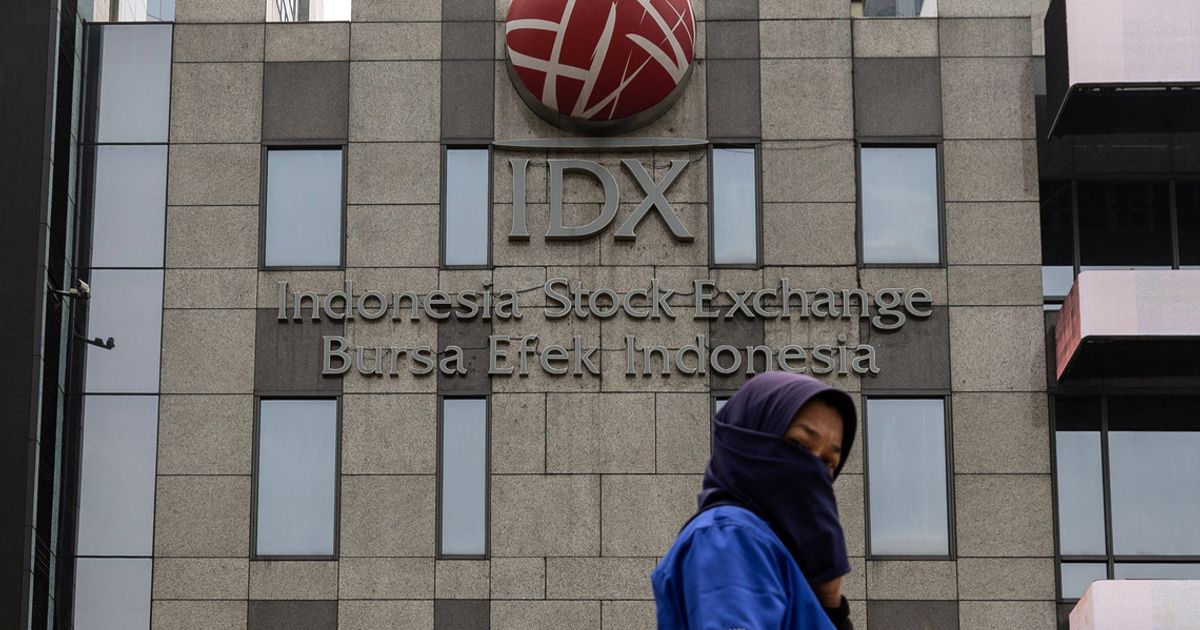
Indonesia's Financial Services Authority has penalized multiple companies and individuals over stock manipulation and disclosure failures. The regulatory crackdown targets illicit financial gains and aims to bolster market integrity.
 🌏Asia-Pacific
Photo: Straits Times Asia
Key points
- Indonesia financial regulator sanctions firms over market manipulation
- Authority orders return of 23.77 billion rupiah in illicit gains
- Several individuals barred from capital markets for up to ten years
Indonesia's Financial Services Authority announced strict penalties on November 21 across 10 capital market violation cases, marking a significant step to reinforce regulatory enforcement and investor protection. The financial watchdog mandated the disgorgement of 23.77 billion rupiah, equivalent to approximately $1.6 million, recovered from three separate stock manipulation schemes involving specific corporate shares.
The enforcement actions include the forced closure of 15 securities accounts tied to improper trading activities that occurred between March and July 2023 involving Grand House Mulia. Additionally, the regulatory body levied administrative fines totaling 3.71 billion rupiah against seven publicly traded enterprises for transgressions that included reporting failures, transparency breaches, and non-compliance regarding share transfers.
Beyond corporate fines, the authority issued multi-year bans ranging from three to 10 years, barring several implicated individuals from taking part in the nation's capital markets, derivatives, and carbon exchange sectors. This regulatory sweep follows earlier punitive measures against three other listed entities, as Indonesian authorities press forward with comprehensive market reforms.
The stakes
The regulatory crackdown directly impacts non-compliant corporations and individuals facing financial penalties and sector bans, while reinforcing broader market transparency. If successful, these reforms could elevate national market credibility among global index providers and protect retail investors, though overly aggressive enforcement risks short-term market friction.
Two readings
- Supporters read the story: As a crucial modernization effort demonstrating institutional resolve to clean up domestic capital markets and meet international investment standards.
- Critics read the story: As a delayed reaction to external pressure from global index providers that highlights systemic vulnerabilities in Indonesian financial oversight.
Source Straits Times Asia — straitstimes.com/asia/se-asia/indonesia-regulator-fines-and-sanctio… ↗
Read next
 ✒️Opinion & Analysis
ICJ Rules Myanmar Military Committed Genocide Against Rohingya
The International Court of Justice has found Myanmar's military guilty of genocide against the Rohingya, a ruling that damages the international standing of both Aung San…
 🕯️Democracy & Rights
Chinese teachers face rising parental pressure over personal life choices
Chinese educators are encountering a surge in unreasonable demands from parents, including complaints regarding teachers' pregnancy and maternity leave.
 🛡️War & Security
Ukraine Restricts Media Coverage of Infrastructure Damage Amid Russian Strikes
President Volodymyr Zelenskyy has issued a decree prohibiting media outlets from reporting on the impact of Russian strikes against critical infrastructure and the status…
 🏮China & Taiwan
Beijing Reaffirms Reunification Stance Following Taiwan Local Election Results
China’s Taiwan Affairs Office declared that the island’s reunification with the mainland remains inevitable, despite recent shifts in Taiwan's local political landscape.
 🇪🇺Europe
US Air Force Repels Unauthorized Drone Incursion at RAF Lakenheath
U.S. security forces at a British air base successfully countered a group of unidentified drones, amid growing concerns over potential foreign state involvement.
 ⚖️Law & Policy
India Government Proposes 50% Increase in Parliamentary Seats and Women's Reservation
The Indian government plans to introduce legislation to expand the Lok Sabha to 850 seats and mandate a 33% reservation for women in legislative bodies.