IIT Bombay replaces ceiling fans with wall-mounted units after student death
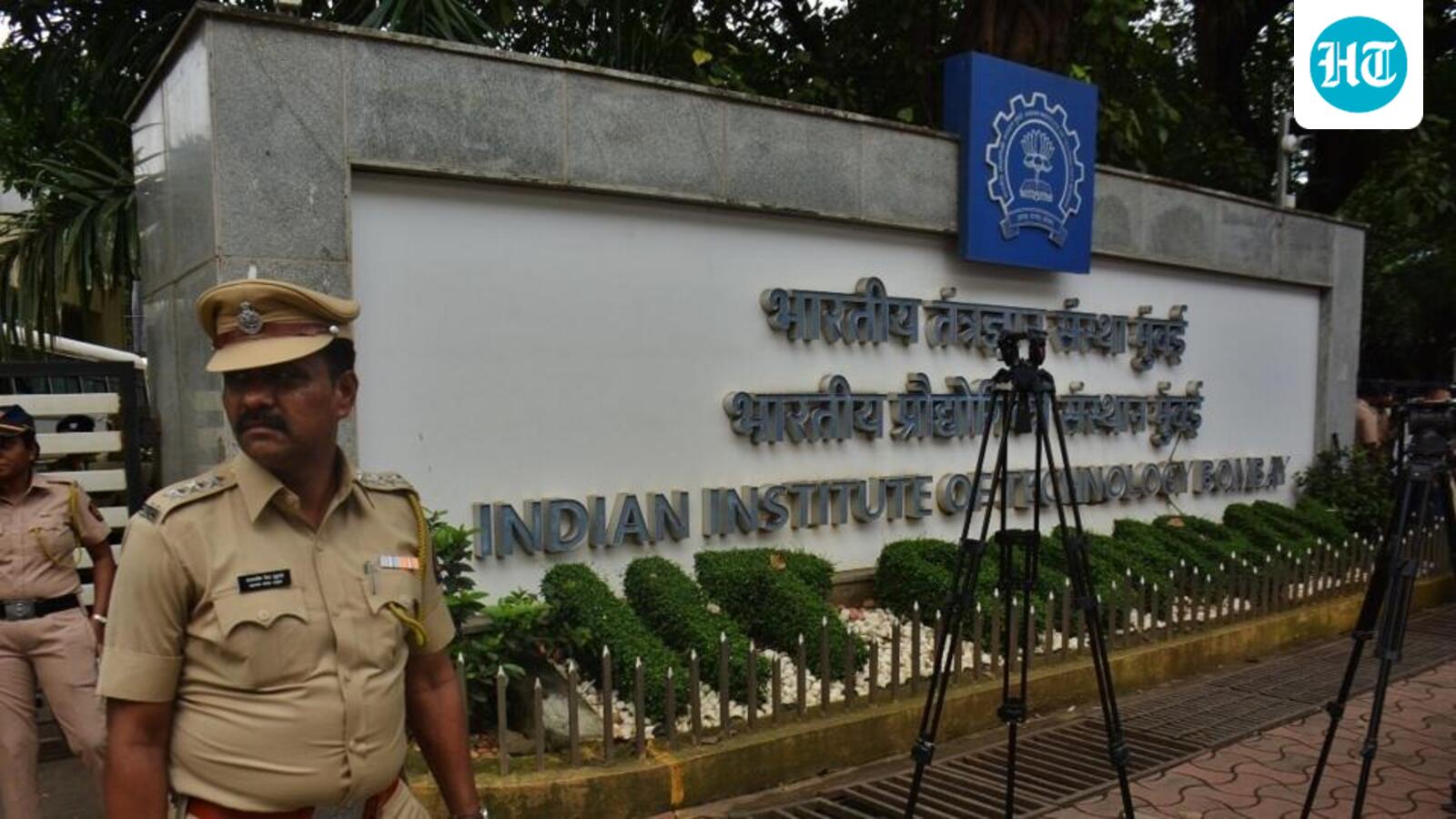
The Indian Institute of Technology Bombay has begun replacing ceiling fan rods with wall-mounted fans in campus hostels following a student suicide, drawing immediate backlash from student activists.
 🌏Asia-Pacific
Photo: Hindustan Times
Key points
- IIT Bombay began replacing ceiling fan rods with wall-mounted fans in Hostel 4.
- The decision follows the suicide of a second-year student in September.
- Protesting students criticized the move as an evasion of systemic issues like academic pressure and discrimination.
The administration at the Indian Institute of Technology (IIT) Bombay initiated the replacement of ceiling fan rods with wall-mounted units in Hostel 4, following the death by suicide of a second-year student on September 18. According to an institutional email circulated by the general secretary of student affairs, the modifications represent an initial phase aimed at enhancing campus safety and residential infrastructure before expanding across other hostels.
The institute stated that the infrastructure changes form part of a broader review intended to improve student living conditions. Officials indicated plans to gather student feedback through surveys and consult representatives to identify practical solutions. However, the administration did not provide an official public comment beyond the internal circular.
Student groups staging demonstrations at the campus Justice Corner sharply criticized the measure, arguing that modifying fixtures fails to address the root causes of student distress. Activists asserted that the administration ignored systemic challenges, such as academic pressure, discrimination, and inadequate grievance redress. They further criticized the Student Council for circulating corporate communications rather than pushing for substantive institutional reforms.
The stakes
The administration seeks to demonstrate proactive infrastructure management and mitigate liability, while student protesters risk having critical mental health and systemic grievances sidelined by superficial fixes. If this policy continues without addressing underlying pressures, campus tensions between students and leadership are likely to escalate further.
Two readings
- Supporters view the infrastructure changes as a prudent, immediate physical modification to enhance campus safety and minimize potential self-harm risks.
- Critics argue that focusing on hardware is an evasive maneuver that ignores deep-seated institutional pressures, academic stress, and discrimination.
Source Hindustan Times — hindustantimes.com/india-news/iit-bombay-replaces-ceiling-fans-with… ↗
Read next
 ✒️Opinion & Analysis
ICJ Rules Myanmar Military Committed Genocide Against Rohingya
The International Court of Justice has found Myanmar's military guilty of genocide against the Rohingya, a ruling that damages the international standing of both Aung San…
 🕯️Democracy & Rights
Chinese teachers face rising parental pressure over personal life choices
Chinese educators are encountering a surge in unreasonable demands from parents, including complaints regarding teachers' pregnancy and maternity leave.
 🛡️War & Security
Ukraine Restricts Media Coverage of Infrastructure Damage Amid Russian Strikes
President Volodymyr Zelenskyy has issued a decree prohibiting media outlets from reporting on the impact of Russian strikes against critical infrastructure and the status…
 🏮China & Taiwan
Beijing Reaffirms Reunification Stance Following Taiwan Local Election Results
China’s Taiwan Affairs Office declared that the island’s reunification with the mainland remains inevitable, despite recent shifts in Taiwan's local political landscape.
 🇪🇺Europe
US Air Force Repels Unauthorized Drone Incursion at RAF Lakenheath
U.S. security forces at a British air base successfully countered a group of unidentified drones, amid growing concerns over potential foreign state involvement.
 ⚖️Law & Policy
India Government Proposes 50% Increase in Parliamentary Seats and Women's Reservation
The Indian government plans to introduce legislation to expand the Lok Sabha to 850 seats and mandate a 33% reservation for women in legislative bodies.